
Replace the highest-exposure items first: anything heated, anything that touches food, anything used daily, and anything in contact with a baby, a pregnant person, or someone with a compromised immune system. Everything else can wait. That’s the whole rule for non toxic home swaps, and it works whether your budget is $20 or $2,000 this month.
If you need a short priority list to start acting on today, this is it:
One-line decision rule to keep in your back pocket: heat plus food contact plus daily use plus a vulnerable person in the house equals “replace this one first.” Everything with fewer of those factors can wait until it wears out.
Key Takeaways
Prioritize non toxic home swaps by scoring heat, food contact, frequency, vulnerability, and current condition, then replace the highest scorers first and let everything else run out naturally.
| Point | Details |
|---|---|
| Score before you shop | Rank items on heat, food contact, frequency, and vulnerability before spending any money. |
| Bedroom and nursery lead | Prolonged nightly exposure and child vulnerability put sleep spaces ahead of the kitchen. |
| Ventilate daily for free | Opening windows 10 to 15 minutes cuts indoor VOC buildup at zero cost. |
| Wait until it’s empty | Finish existing cleaning and personal-care products before buying replacements to cut waste. |
| Check certifications, not adjectives | Look for EWG Verified, Safer Choice, MADE SAFE, or GREENGUARD Gold rather than “natural” on a label |
Your Prioritized Non Toxic Home Swaps Checklist
Before you buy anything, walk through your home with this room-by-room lens. It takes ten minutes and costs nothing.
Bedroom. This is where families spend the most consecutive hours in one place, which is exactly why prioritizing the bedroom first makes sense before the kitchen or living room. A conventional foam mattress, synthetic bedding, and a fresh coat of paint can all off-gas volatile organic compounds (VOCs) for months.

Nursery. Same logic as the bedroom, amplified. A low-tox approach to indoor exposures flags flame retardants in crib mattresses and foam nursing pillows as high-priority, often-overlooked sources that matter more than most parents realize.
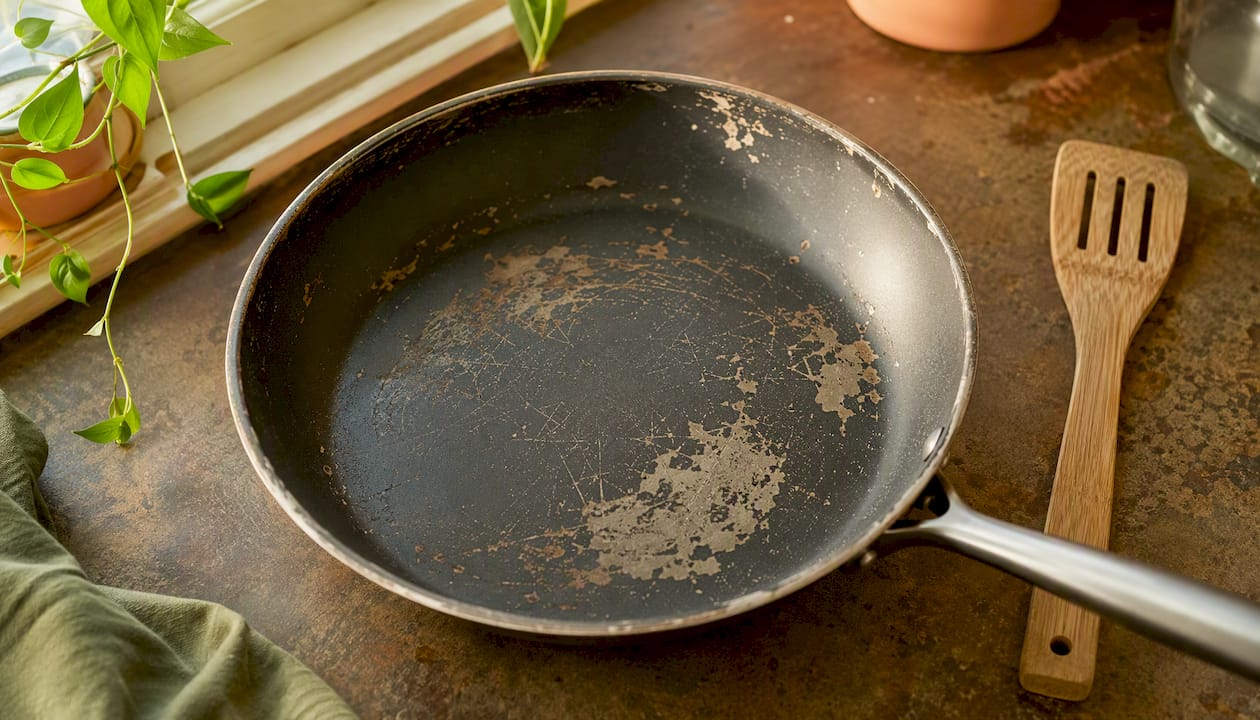
Kitchen. Heat is the multiplier here. A scratched nonstick pan on a hot burner behaves very differently than a plastic storage bin sitting in a cool pantry.
Living areas. Lowest priority of the four, mostly because contact time and heat exposure are both lower. A stain-treated rug or an off-gassing bookshelf still matters, but it’s not urgent.
Before you spend a dime, run through these two-minute swaps that require zero shopping:
None of that costs anything, and it’s genuinely one of the highest-impact things you can do this week. For everything that does require buying a replacement, use the wait-until-empty approach: finish what you have, then buy the safer version when you run out. That single habit prevents the panic-purge that burns cash and creates a pile of half-used products destined for the landfill.
The Framework: Ranking What to Replace First
Here’s the decision framework behind that opening rule, broken into six factors you can score for any item in your house.
Score each item from 1 (low) to 3 (high) on the first five factors, add them up, then weigh that against cost. A score of 12 to 15 means replace now. A score of 6 to 8 means it can wait for the next paycheck or the next time it wears out.
Walk through the frying pan example: it gets hot every time you cook, it touches food directly, you likely use it most days, and the scratches mean coating particles could be flaking into your meals. That’s a near-maximum score, and it lands at the top of most families’ lists.
The mattress scores lower on heat and food contact but climbs back up through frequency (nightly use) and vulnerability if a child sleeps on it. The detergent scores modestly across the board, which is why it’s a fine candidate for the wait-until-empty approach rather than an emergency swap.
Pro Tip: Consistency beats perfection here. Swapping one high-scoring item per month for a year gets you further than an overwhelming weekend purge that you can’t sustain financially or emotionally. That’s echoed by experts who advocate for gradual, meaningful changes over full purges, starting with the highest-impact items and the free interventions first.
Kitchen Swaps That Actually Move the Needle
The kitchen is where food contact and heat overlap constantly, which makes it one of the highest-priority rooms in the whole house.
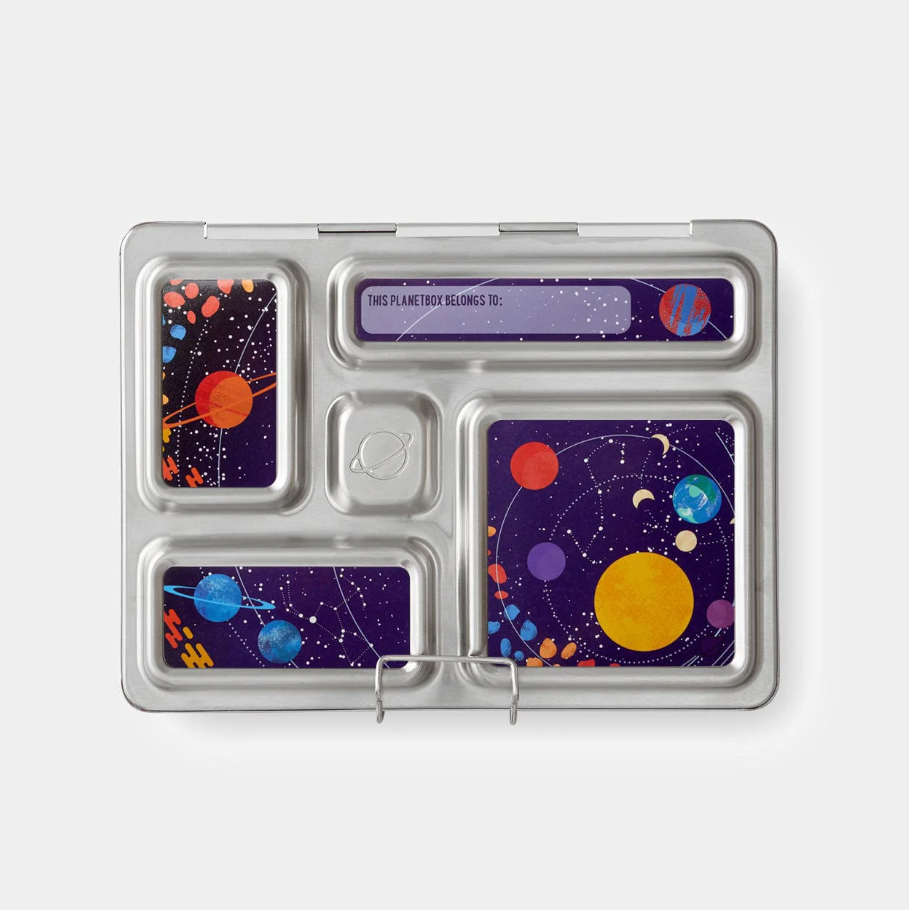
For food storage specifically, snack containers and reusable bags are an easy category to tackle in one pass since kids’ lunch gear gets replaced often anyway.
On the safety side: PFAS (sometimes called “forever chemicals”) show up in nonstick coatings, some parchment papers, and stain-resistant textiles, and they don’t break down easily in the body or the environment. If a nonstick pan is scratched, flaking, or more than a few years old, that’s your cue to retire it rather than wait for it to fail completely. A quick visual inspection every six months catches most problem items before they become a daily hazard.
Cleaning and Laundry Swaps Without the Guesswork
You don’t need twelve different cleaning products.
Concentrated, plant-based cleaning systems with refill options tend to be more cost-effective over time than buying a new bottle of single-use conventional cleaner every month, since you’re mostly paying for water and packaging with the conventional option. A concentrate that makes several bottles’ worth of cleaner from one small container often works out cheaper per ounce of finished product, even though the upfront price tag looks higher.
Two certifications are worth knowing when you’re standing in the cleaning aisle, unsure what “green” or “eco” actually means on a label:
When you do retire an old bottle of bleach-based cleaner or a heavily fragranced all-purpose spray, don’t pour it down the drain. Most municipalities have household hazardous waste drop-off days. Check your local sanitation department’s website, or bring small quantities to a hardware store that accepts them. For carpets that have accumulated years of dust and residue, proper cleaning techniques can safely remove lead dust buildup, which matters most in older homes with pre-1978 paint history.
Personal Care Swaps for Daily Contact
Prioritize the products you apply every day and the ones that touch mucous membranes or broken skin, since those routes absorb ingredients more readily than a quick rinse-off product ever will.
Beyond aluminum and parabens, keep an eye out for phthalates (often hiding inside that “fragrance” label), triclosan (an antibacterial agent in some soaps, linked to hormone disruption), and formaldehyde-releasers like DMDM hydantoin in shampoos and lotions. None of these show up in plain English on most labels, which is exactly why third-party certification matters more than the marketing copy on the front of the bottle. If you’re building out a makeup routine, non-toxic makeup brands that disclose full ingredient lists are a reasonable starting point.
Why the Bedroom and Nursery Rank So High
Prolonged nightly exposure is why the bedroom and nursery consistently top the priority list ahead of the kitchen or living room, even though the kitchen has the heat-plus-food-contact combination working against it. You spend roughly a third of your life in bed, breathing whatever your mattress, pillows, and bedding are emitting into the air around your face.
A handful of certifications actually mean something when you’re mattress or bedding shopping, unlike a bare “eco-friendly” claim:
If you can’t replace a mattress right now, a certified organic mattress protector or encasement creates a barrier between you and older foam or flame-retardant-treated materials while you save up. Ventilate the bedroom daily in the meantime, and if you’re shopping used, ask directly about the mattress’s age and materials since foam and flame retardants degrade differently over time.
For a deeper dive into what to look for, the best non-toxic mattresses guide breaks down options across budgets, and organic bedding is often the cheaper first step before a full mattress replacement. For the nursery specifically, avoiding common pitfalls in baby gifts helps when well-meaning relatives show up with foam bath mats and synthetic plush toys.
Air Quality, Paint, and Furniture Materials
Ventilation and low-emission material choices are the two highest-impact interventions for indoor air quality, and neither requires replacing a single piece of furniture.
Indoor air can run 2 to 5 times more polluted than outdoor air, largely because VOCs from paint, engineered wood, and synthetic fabrics have nowhere to go in a sealed-up house. Researchers call the simple fix “burping your home”: opening windows for 10 to 15 minutes daily lets fresh air flush out accumulated pollutants, and it costs nothing.
Run through this mitigation checklist before you assume you need to buy anything:
When you’re selecting paint or furniture, look for low-VOC or zero-VOC paint labels, and be cautious with foam-filled furniture (couches, chairs, nursing pillows) that doesn’t disclose its flame-retardant treatment. Natural fiber upholstery like wool or organic cotton, and solid wood furniture with a low-VOC finish, are the safer default when your budget allows for an upgrade.
What You Can Safely Wait to Replace
Plenty of household items deliver such low exposure that replacing them isn’t worth the money or the stress right now.
It makes sense to revisit these decisions during a major renovation, once an item shows visible wear or damage, or when a new baby arrives and the vulnerability factor in your framework jumps up a notch. Building materials in particular carry real tradeoffs. Replacing PVC-heavy materials during a renovation can be expensive upfront but pay off long-term, which is a different calculation than swapping a cutting board.
Starter Swaps Under $30 You Can Do Today
Small, affordable swaps build momentum, and momentum is what actually gets a family through a year-long replacement plan.
A few practical options to knock out this week: wool dryer balls (around $12 to $18, replace dryer sheets and their fragrance chemicals), a set of glass food-storage jars (roughly $15 to $25 for a starter set), and fragrance-free dish soap (usually under $10). None of these require research paralysis, and all of them score reasonably well on the frequency axis of the decision matrix even though they’re inexpensive.
Slot these in as your “quick wins” tier: cheap enough to buy this week, useful enough to matter, and low-risk enough that you’re not out much money if you end up preferring a different brand later.
How to Read Labels Without Falling for Greenwashing
Rely on reputable third-party certifications rather than vague marketing terms like “natural” or “non-toxic,” since neither of those words is regulated by any government agency in the United States.
Here’s a quick glossary of the seals actually worth trusting:
Here’s a 30-second vetting habit to build: search the brand name plus the certification name before you buy, confirm the seal appears on the certifying body’s own website (not just the brand’s packaging), and treat any product that leans entirely on the words “clean,” “green,” or “eco” with zero named certification as a marketing claim, not a safety claim.
Where to Go Next for Category-Specific Guides
Once you’ve scored your own home against the framework above, the next step is category-specific research, not another round of general advice. If cleaning products scored high on your matrix, the spring cleaning guide walks through certified options by product type. If a baby is on the way and the nursery just jumped to the top of your list, the baby registry guide covers the materials worth asking about before anyone buys a single item.
Naturally Non-Toxic exists specifically because vague “clean” claims on packaging don’t tell you anything useful, and digging through ingredient lists and certification databases yourself takes hours most parents don’t have. Every guide on the site cross-references the certifications covered above (EWG Verified, Safer Choice, MADE SAFE, GREENGUARD Gold) against the actual product, not just the marketing copy. Start with whichever room scored highest on your own decision matrix, check the relevant category guide, and pick one item to replace this week.
Find Your Next Swap
View all posts

Frequently Asked Questions
Sources