I’ve been growing fresh vegetables and herbs on two Gardyn Home towers for about 7 months. In that time, I’ve grown lettuce, cherry tomatoes, peppers, cucumbers, herbs, cabbage, and a few plants that did not go nearly as well.
The cherry tomatoes became one of my favorite things to grow because my toddler loves picking them with me. The herbs were probably the most practical. The cabbage was slow, but worth it, especially once I turned it into homemade kimchi.
I did not want this Gardyn review to be based on a few pretty photos and a vague feeling that I liked it.
So I tracked my harvests.
Over 7 months, my two Gardyn Home systems produced about 35 pounds of food, including lettuce, herbs, cucumbers, cherry tomatoes, peppers, cabbage, and 5 pints of homemade kimchi.
Based on Hawaii organic and local grocery prices, that harvest would have cost me about $400 to $485 to buy.
In this review, I’ll share what grew well, what struggled, how much maintenance it really takes, what I spend on nutrients and supplies, and whether I think this smart indoor garden is worth the money.
Quick note: I may earn a commission if you buy through my Gardyn link, at no extra cost to you. I bought and used my Gardyn systems myself, and this review is based on my real experience growing food with them for 7 months. You can use my code FRESH100 to save $100 off a Gardyn Home.
Setting Up My Gardyn
I got my first Gardyn Home about 7 months ago, then added a second one soon after.
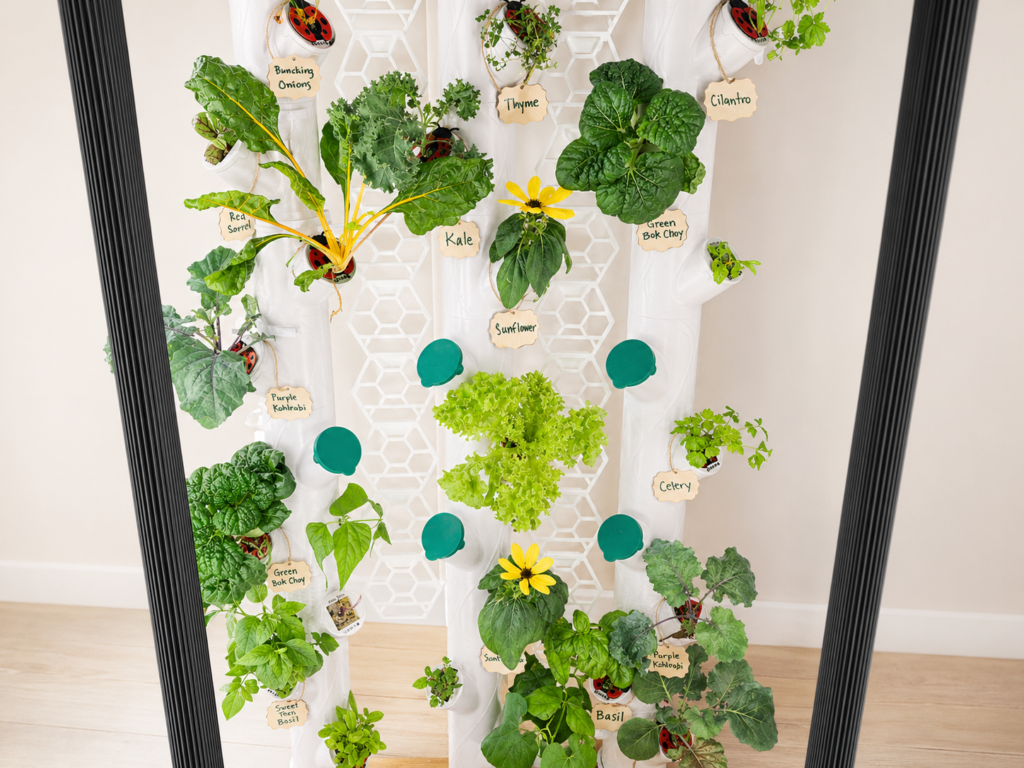
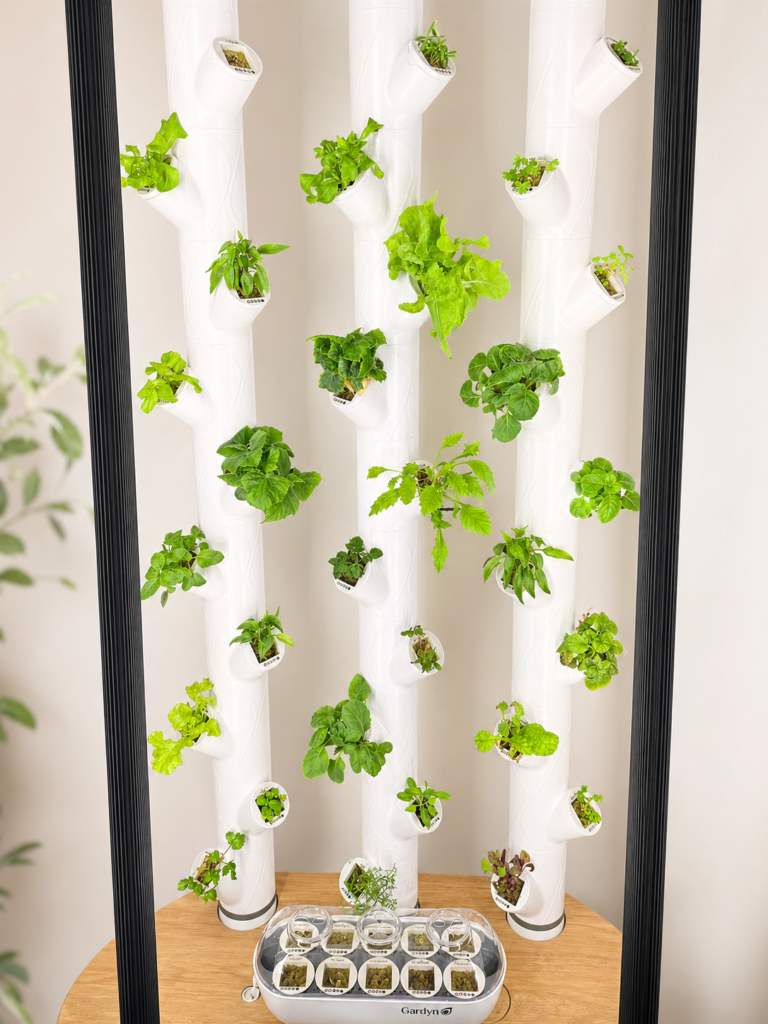
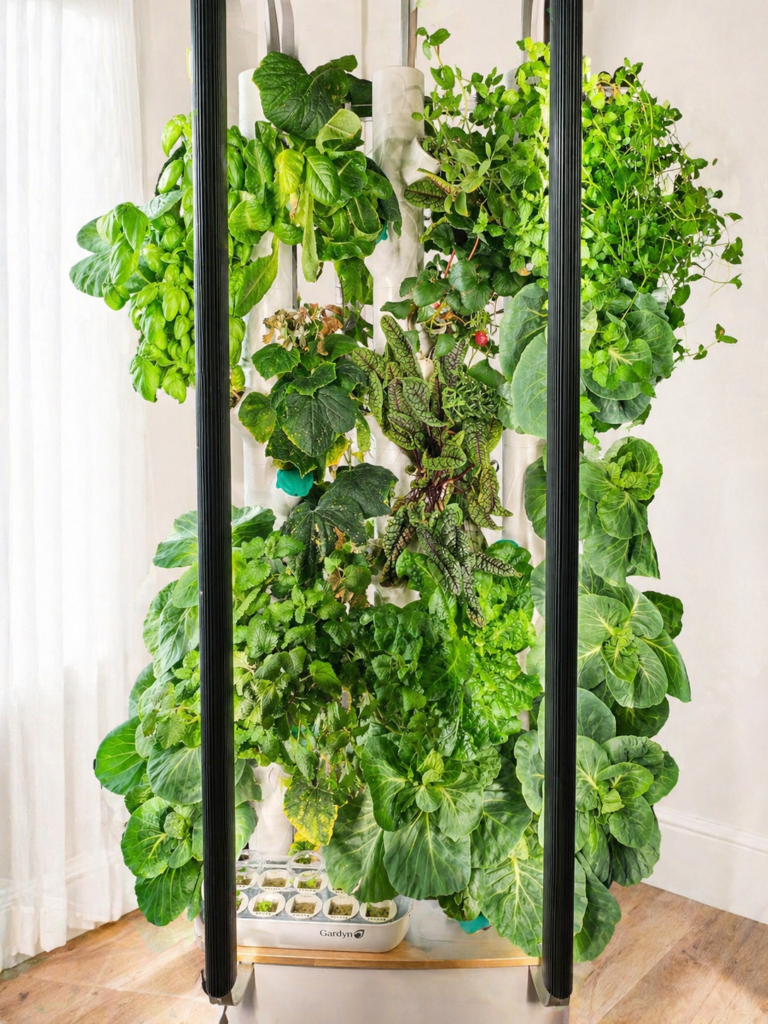
Each Gardyn Home grows up to 30 plants in about 2 square feet, which is the main reason I was drawn to it for our small apartment. I wanted a real indoor garden, but I did not have room for a messy table full of trays and grow lights.
Setup was pretty simple. The yCubes arrived pre-seeded and tucked into rockwool. I assembled the tower, plugged it in, connected it to the app, and added water to the tank.
I used the Kelby free trial in the beginning, but I did not keep the subscription. The system still runs without it. I can check the water level in the app, and the basic light and watering schedule has continued working fine for me.
I keep both Gardyns on my enclosed lanai. They get a little ambient light, but they do not need much help. The built-in grow lights do the work, which is nice if you do not have a sunny window or outdoor garden space.

For maintenance, Gardyn says it takes less than 15 minutes per week. That has been pretty close to my experience, as long as I keep up with pruning instead of letting everything pile up.
Most weeks, I check the water level, top off the tank, add nutrients if needed, prune a little, and remove any leaves that are yellowing or crowding other plants.
When the plants are small, I can go longer between refills. Once the tomatoes, cucumbers, peppers, and bigger greens are growing hard, I usually refill about once a week.
Noise has not been an issue for me. I can barely hear a small trickle of water cycling through the system, it’s very quiet. The lights are the bigger thing to think about because they are very bright, so I would not keep a Gardyn in a bedroom.

For a small apartment, the footprint is excellent.
I bought rolling dollies for mine, which makes it easier to move them around when I need to refill, clean, harvest or rearrange the space. The Gardyn itself is compact, but the plants can get wild once they mature.
That is not a complaint. It just means Gardyn works best if you are willing to prune, space plants thoughtfully, and accept that an indoor food garden is still a garden. It may be smart, but it is not completely hands-off.
Starting New Plants In The Nursery
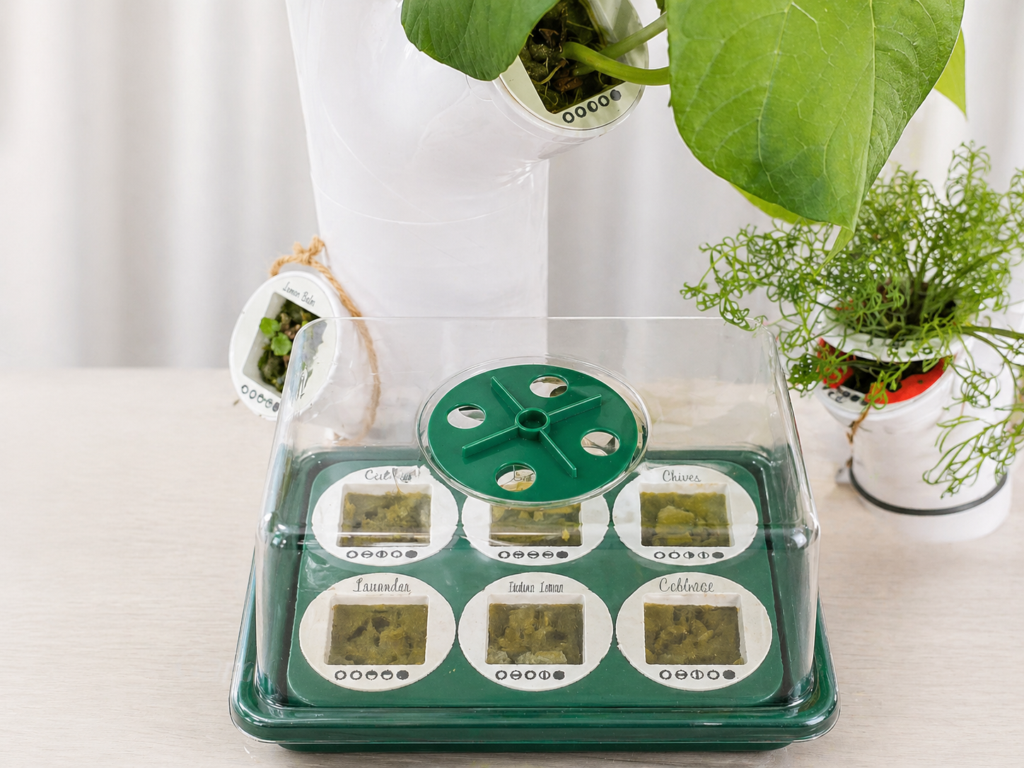
I also bought Gardyn’s nursery, and later picked up a 3D-printed nursery on Etsy. Both worked well. The nursery is basically a little seed-starting station for yCubes, which makes it easier to start new plants while the main Gardyn towers are still full.
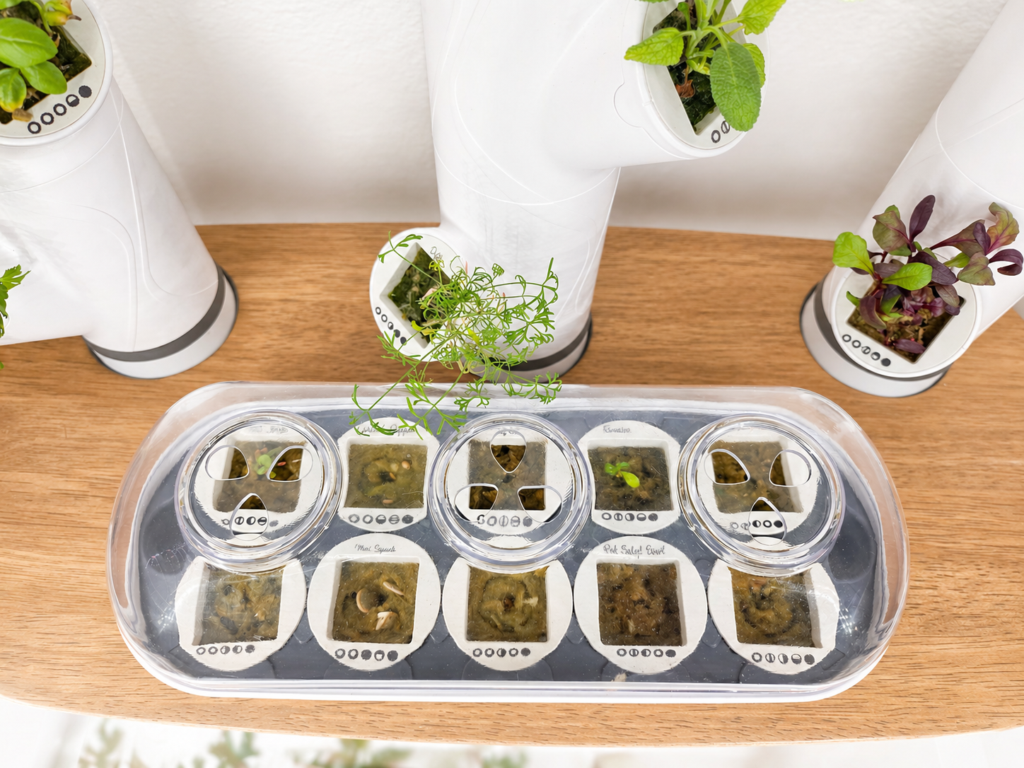
I liked having backup seedlings ready because it helped me keep the towers productive. Once a plant was done, struggling, or taking up space without earning it, I could swap in something new instead of starting from zero.
You do not need a nursery to use Gardyn. But if you want to grow more continuously, experiment with your own seeds, or avoid empty spaces in the tower, it is a very useful add-on.
The Gardyn nursery looked a little more polished, but the Etsy one worked too. If you are trying to save money, I would not hesitate to start with a simple 3D-printed option.
What Grew Best In My Gardyn
I’ve had the most consistent success with leafy greens, herbs, cherry tomatoes, peppers, cucumbers, and cabbage.
The leafy greens were the easiest early win.
Gardyn says leafy greens are usually ready in about 3 to 5 weeks, and that matched my experience pretty closely. My lettuces and tender greens sprouted quickly, and by weeks 3 to 4, I was already harvesting small amounts for salads and sandwiches.
My favorite was Tokyo Bekana. It grew fast, tasted fresh, and kept producing when I harvested the outer leaves instead of cutting the whole plant at once.
That “outer leaf” method is what Gardyn recommends for lettuces and leafy greens if you want continued growth. The key is to leave enough of the plant behind so it can keep growing, rather than stripping it bare and hoping for a miracle.

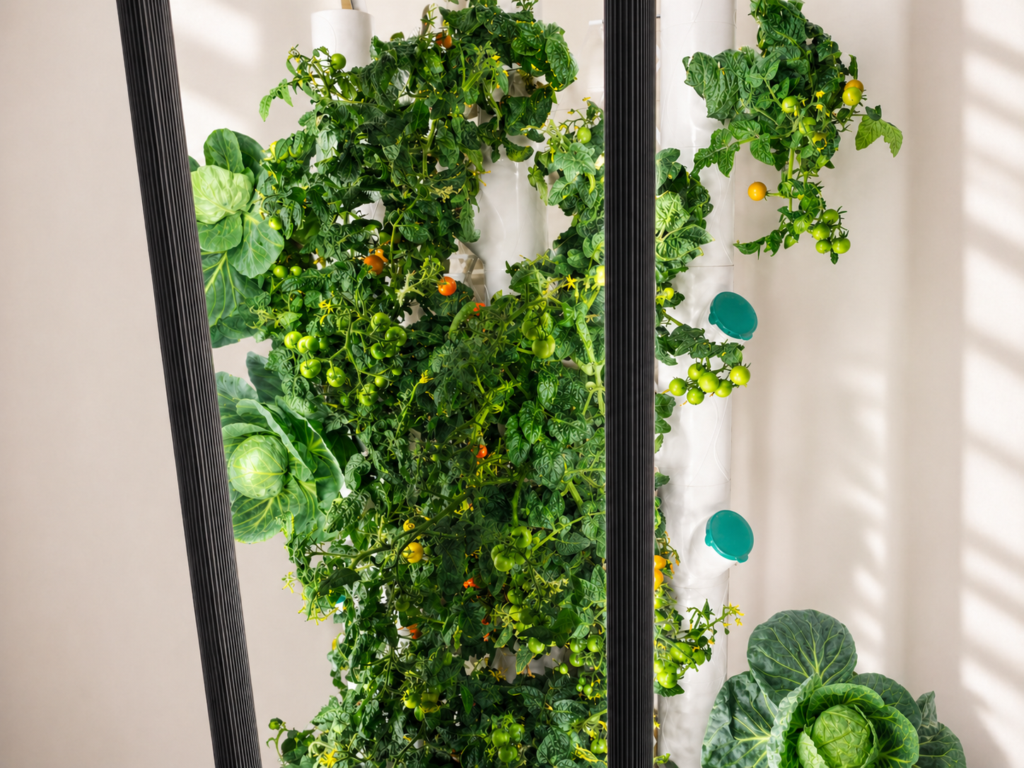
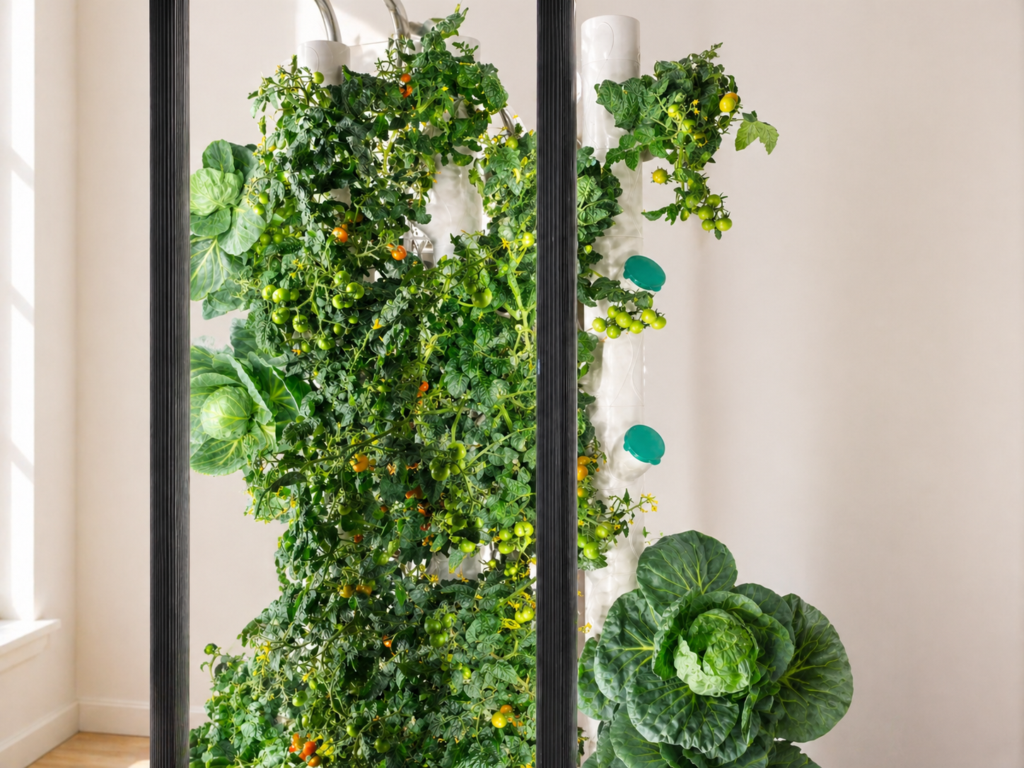
The surprise stars were the cherry tomatoes, peppers, cucumbers, and herbs. The cherry tomatoes took longer than lettuce, but once the plants matured, they became one of my favorite things in the whole system.
Across my harvest log, I tracked about 4 pounds of tomatoes. The later harvests were much stronger than the early months, which is worth saying because the first few months are not the full Gardyn story.
You spend that time learning plant spacing, pruning, feeding, and waiting for fruiting plants to finally hit their stride.
My toddler loves the cherry tomatoes, which made them feel even more worth growing. Teaching him to pick only the red ones has become one of those tiny daily routines I did not expect to care about so much.

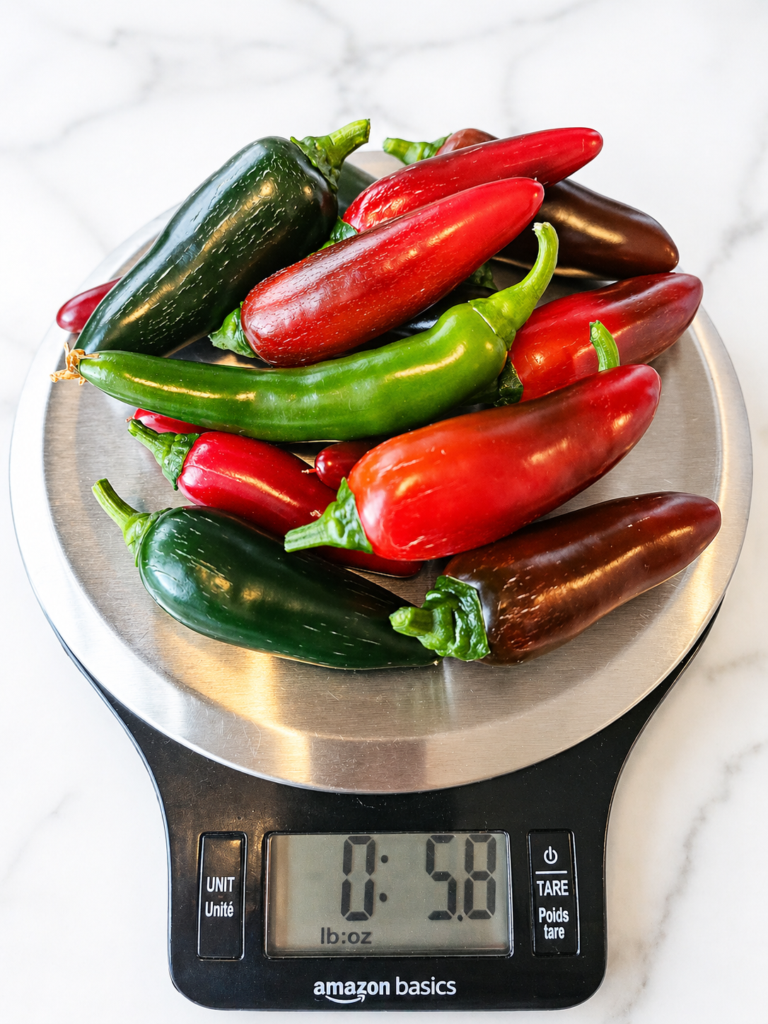
The peppers also did better than I expected. Shishitos, chili peppers, and other smaller pepper varieties handled pruning well and kept producing once they were established.
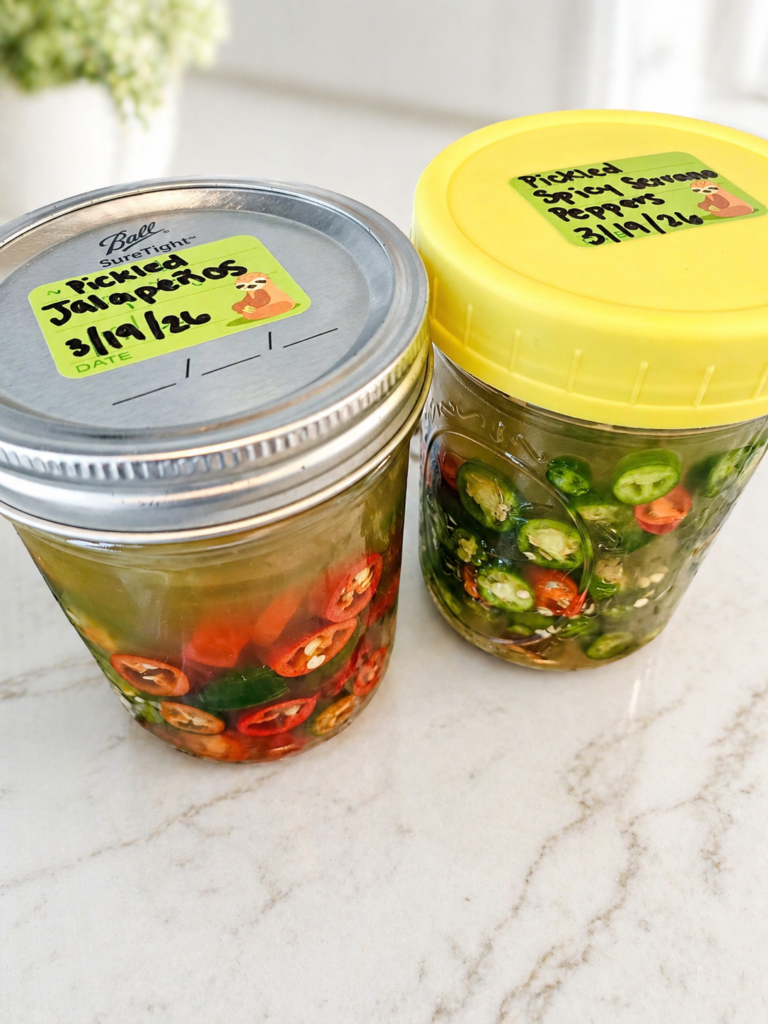
I use them for chili, Mexican food, grilled shishitos, and homemade sauces, so they felt more useful to me than growing a wall of lettuce just for maximum weight.
The herbs were probably the most practical crop.
Basil, cilantro, mint, dill, parsley, and thyme grew quickly, and I used them constantly for cooking.
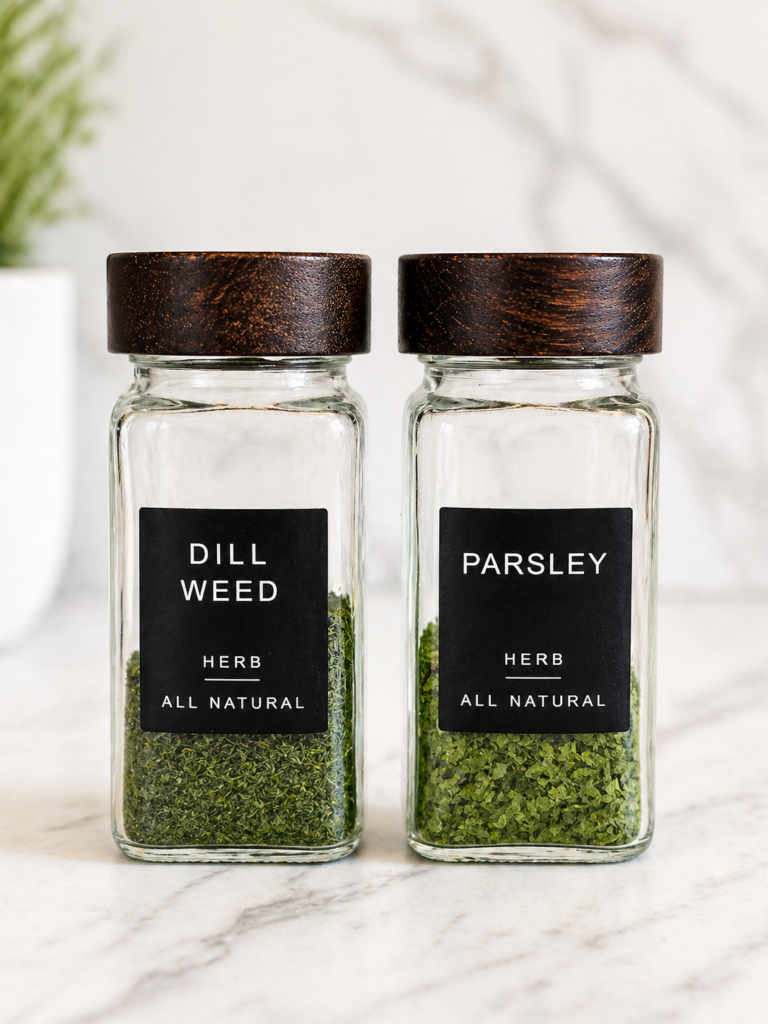
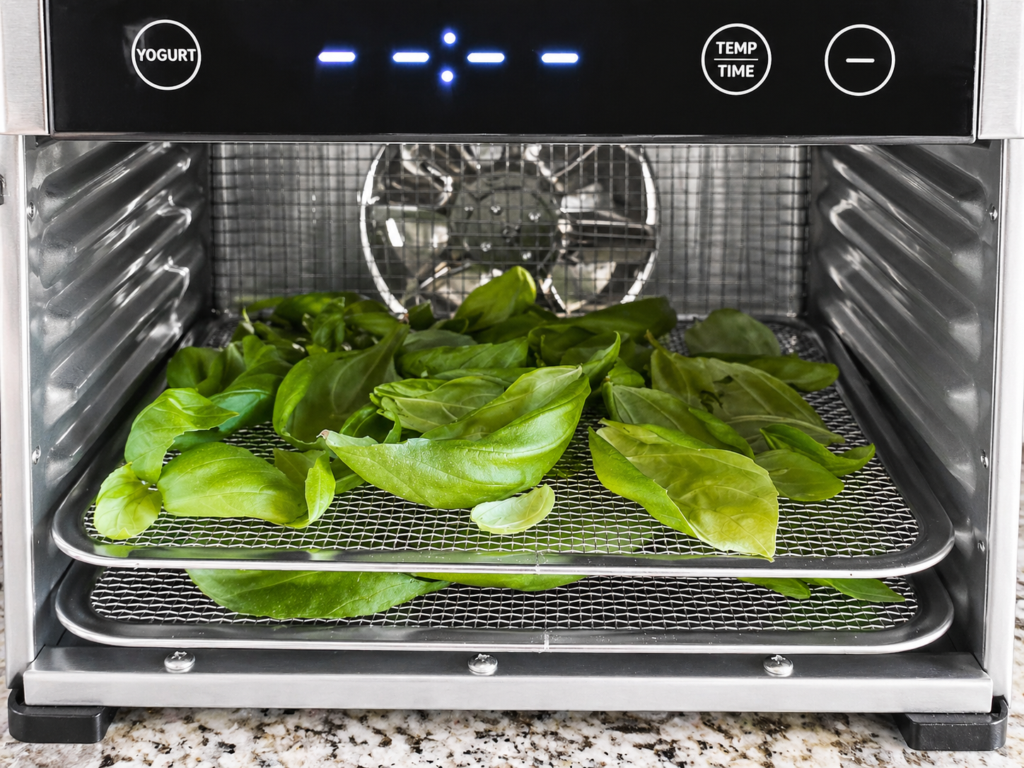
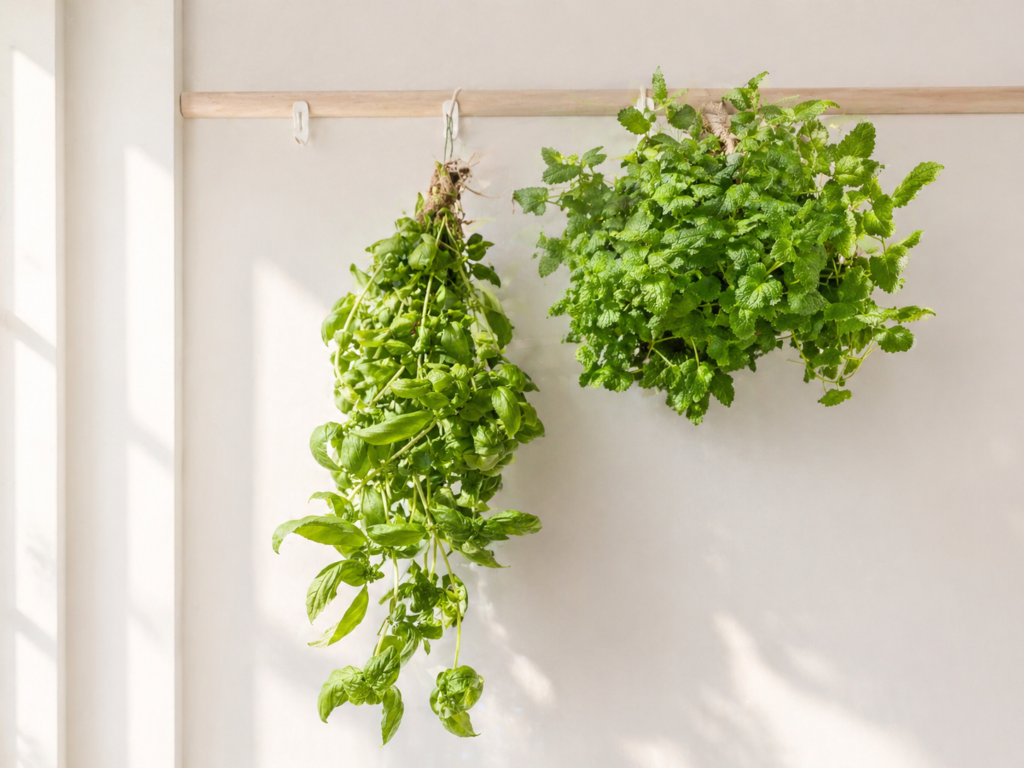
Once the plants got full, I started drying the extra herbs and grinding them into spice jars.
That felt like one of the smartest uses of the Gardyn because fresh organic herbs are expensive, and somehow they always manage to wilt in the fridge the second I look away.
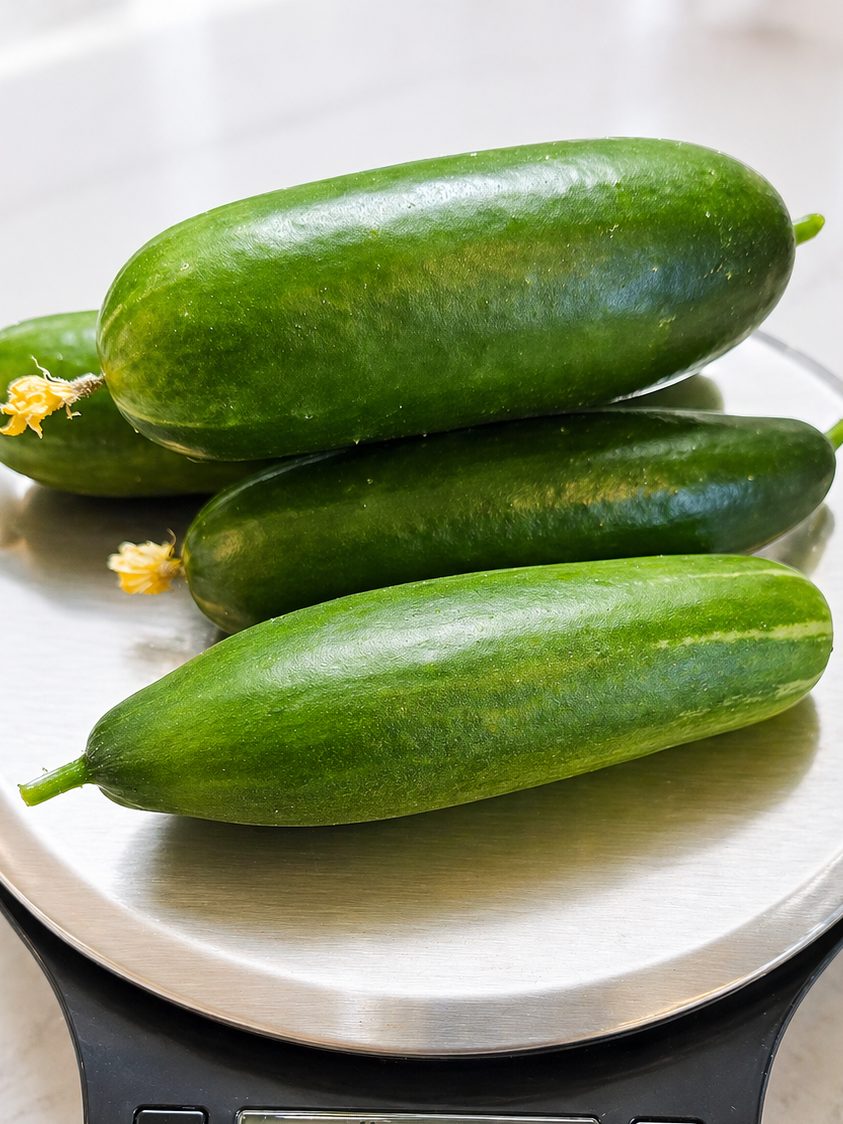
The cucumbers were another strong grower.
They were crisp, flavorful, and easy to use in salads or as toddler snacks.
I would grow cucumbers again without hesitation, especially because they felt more exciting than another head of lettuce.
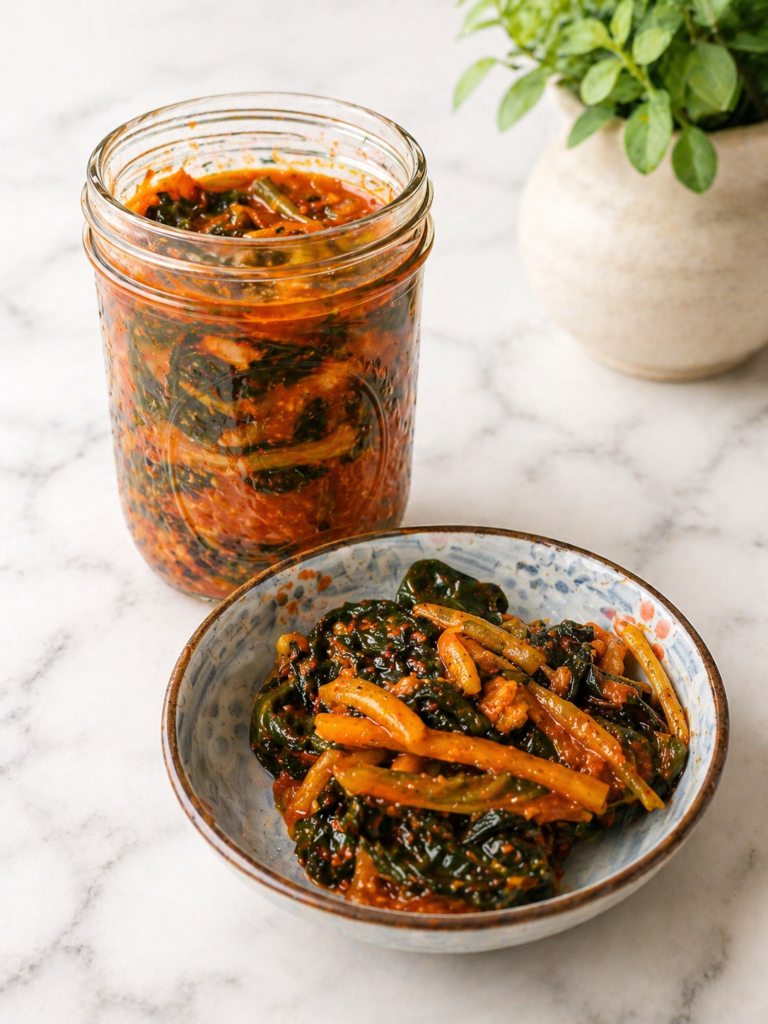
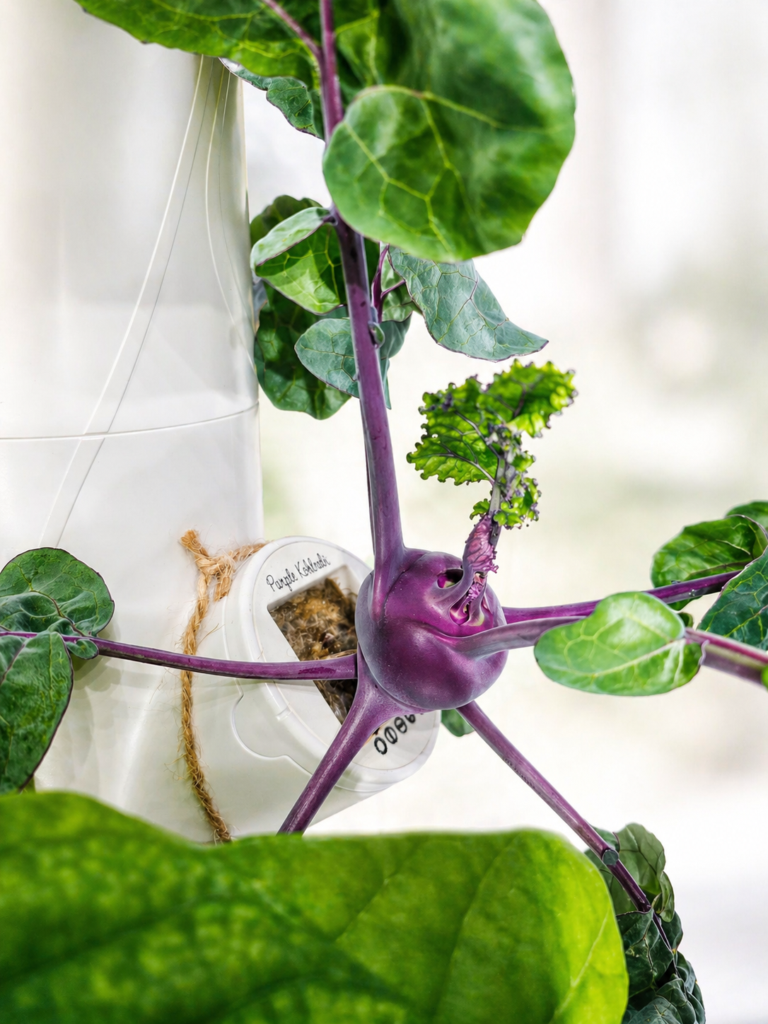
Cabbage was the slowest crop that still felt worth it. It took months, and I had to be patient, but it gave me one of my favorite Gardyn wins: homemade kimchi.
I fermented 5 pints of kimchi from Gardyn-grown cabbage.
That alone would cost roughly $35 to $50 to buy locally, depending on the brand.
More than that, it felt satisfying to turn something I grew from a tiny yCube into real food we could eat, share, and keep in the fridge.
That is one of the biggest things I learned from using Gardyn. The fastest crops are not always the most valuable crops.
Tokyo Bekana and leafy greens gave me quick wins, but the tomatoes, peppers, cucumbers, herbs, and cabbage are what made the system feel truly useful for my family.
My Actual 7-Month Gardyn Harvest
| What I grew | How much I harvested |
|---|---|
| Total harvest | 33.7 lb |
| Lettuce, salad greens, cooking greens, and cabbage | 17.6 lb including kimchi cabbage |
| Tomatoes | About 4 lb |
| Cucumbers | About 3.9 lb |
| Peppers | About 4.3 lb |
| Fresh herbs | About 1.8 lb |
| Homemade kimchi | 5 pints |
The biggest surprise was not the lettuce.
It was the “bonus” produce that made the Gardyn feel worth it: cherry tomatoes, cucumbers, peppers, herbs, and cabbage.
Lettuce is lovely. But fresh tomatoes, homemade kimchi, dried herbs, and toddler snack cucumbers? That is where the value started feeling real.
What Struggled
Not everything in my Gardyn was a win.
The strawberries were the most disappointing for me. The plants grew, but they never really fruited in a way that felt worth the space. I would not recommend strawberries as a first Gardyn crop if you want an easy, satisfying harvest.
The summer squash also struggled.
The plant grew plenty of leaves, but it barely set fruit. That makes sense because squash, gourds, pumpkins, and other cucurbits often need pollen moved from male flowers to female flowers, and indoor growing can make that harder without insects doing the work for you. University extension guidance also notes that poor pollination can lead to little fruit or misshapen fruit in cucurbit crops.
If I tried squash again indoors, I would need to have the discipline to hand-pollinate with a small brush every morning.
But for now, I would rather use those slots for plants that earn their keep with less drama.
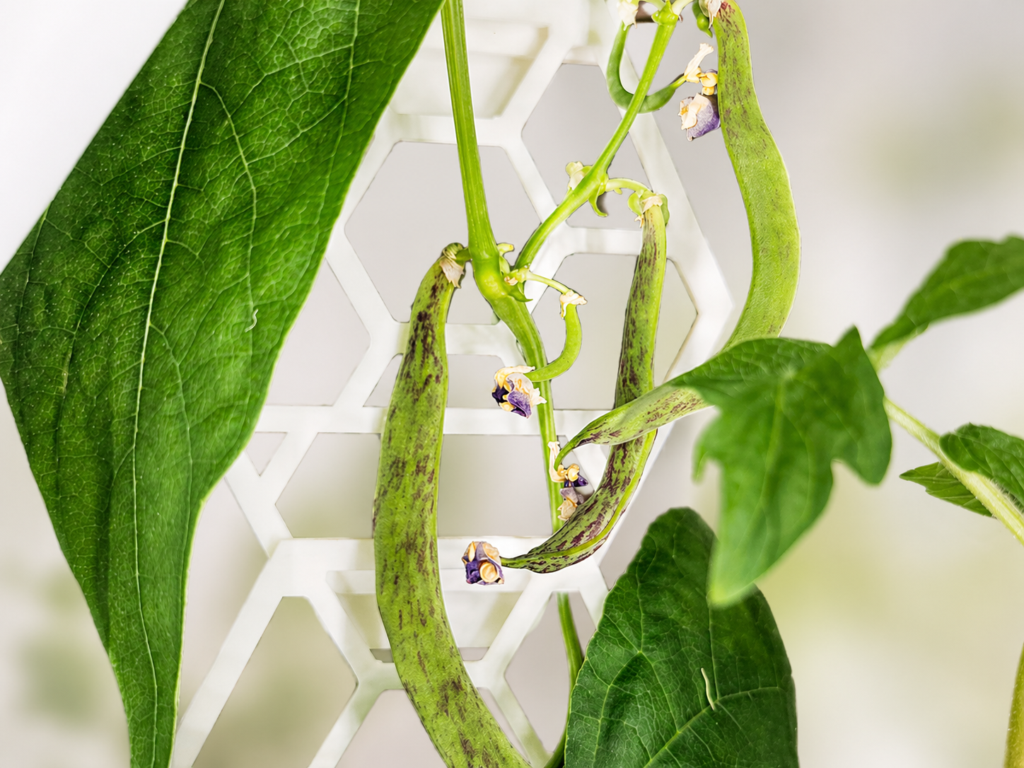
For beginners, I would focus on leafy greens, herbs, cherry tomatoes, peppers, cucumbers, bok choy, and other greens.
I would skip squash, gourds, melons, strawberries and anything that needs a lot of care unless you really want to experiment.
I also leave the slot above the reservoir opening empty, at least once the plants get big. That spot never performed as well for me, and leaving it open makes refilling the tank so much easier. Small choice, big quality-of-life improvement.
The biggest learning curve was nutrient balance.
At first, I followed the general idea of adding nutrients whenever I topped off the tank. But once I bought a basic EC meter, I realized I was overfeeding.
EC, or electrical conductivity, is a way to estimate the concentration of dissolved salts and nutrients in the water. A higher EC usually means a stronger nutrient solution, and too much can stress plants instead of helping them grow.
This was a very humbling little gardening lesson.
More plant food does not mean more plants.
Now I use an inexpensive EC meter and a simple pH testing kit to check the tank before adding more nutrients.
For most hydroponic crops, university extension guidance generally puts the ideal pH range around 5.5 to 6.5, because pH affects nutrient availability in the water. My water usually stays pretty close, but it can drift upward over time. When needed, I use a small amount of pH Down to bring it closer to the range I want.
For nutrients, I do not blindly add plant food every time I refill anymore. I check the EC first, then decide. That small change made the system feel easier to manage, and it improved my plant growth.
That said, you do not need to test EC and pH to use Gardyn successfully. The system can run just fine with the basic routine: add water, add nutrients, prune when needed, and let the lights and pump do their job.
I started testing because I wanted to be more hands-on. I also thought it was fun, in the same way some people enjoy sourdough starters or color-coded planners.
Once I understood what was happening in the tank, I felt more confident adjusting nutrients instead of guessing.
Gardyn is simple enough for beginners, but it still gives you room to learn if you want to get nerdy with it.
Maintenance & Troubleshooting
Maintenance has been simpler than I expected.
Most weeks, I refill the tank, check the plants, prune anything that looks crowded, and harvest what is ready.
When the plants were still small, I only needed to refill about twice a month. Once the tomatoes, cucumbers, peppers, and bigger greens were established, I started refilling about once a week.
Cleaning has not been a big ordeal either.
Gardyn recommends light cleaning and periodic tank refreshes, but in real life, I did a tank refresh at around 5 months and I plan on doing a column clean at 12 months.
I use algae covers on empty slots to block light from reaching the water, which helps prevent algae growth. I bought 3D-printed covers on Etsy because they were more affordable than the Gardyn ones, and they have worked well for me.
I have not had issues with fungus gnats or mold in my Gardyns. I think the covered water tank, clean yCubes, and algae covers all help keep things contained. That said, I still keep an eye on the base, roots, empty slots, and any leaves that fall into the system.
The watering is automatic, which is one of my favorite parts. The app lets me adjust the schedule or manually start the pump when needed, even without the Kelby subscription.
When I went on vacation, I manually adjusted the light schedule to slow growth and help the water last longer. My plants made it about 2 weeks without me.
The pump is quiet. I hear a gentle bubbling sound during watering cycles, but it does not bother me.
The lights are a different story. They are bright, so I would not keep a Gardyn in a bedroom or anywhere you want soft evening lighting. Mine live on our enclosed lanai, and that works well for us.
The biggest thing to watch is crowding.
Gardyn can grow a lot in a small footprint, but that also means plants can start competing for light and space if you let everything go wild. I learned to prune often, and remove older outer leaves before the tower gets too dense. Peppers and bigger greens especially need regular trimming and harvesting.
I also leave the slot above the water tank opening empty. It makes refilling easier, and that lower area has not been my best growing spot anyway.
Overall, the maintenance is very manageable. It is not completely hands-off, but it is not fussy either.
For me, the rhythm is simple: refill water, check nutrients, harvest regularly, prune before things get crowded, and clean the system when it needs it.
Costs and Value
Gardyn is not a cheap little countertop herb kit. The Gardyn Home 4 is currently listed at $899, and the smaller Gardyn Studio 2 is listed at $549. The Home grows 30 plants in about 2 square feet, while the Studio grows 16 plants in about 1.4 square feet.
For the Gardyn Home, you can use my code FRESH100 to save $100, which brings the upfront cost down a little. It is still a splurge, but that discount does make the math easier.
For my family, the Home made more sense because I wanted enough room for herbs, greens, tomatoes, peppers, cucumbers, and a few bigger experiments.
After the system itself, the main ongoing costs are plant food and replacement yCubes. Individual yCubes can be purchased without a membership starting at $4.99 each, or $1.99 each with a membership.
The membership is optional. For Gardyn Home, the monthly membership is $39 per month. It includes 10 monthly plant credits, free shipping, Kelby, and premium app features like vacation mode.
I used the free trial in the beginning, but I did not keep the paid membership long-term. The system still works without it, which was important to me. I can manage the lights, watering schedule, and basic growing routine without paying every month.
For nutrients, I used Jack’s Nutrients because I wanted better ingredients and a lower long-term cost. Jack’s says its ingredients are tested on arrival and describes the formulas as soluble, consistent, and made for controlled growing environments.
What Gardyn Says It Can Grow vs. What I Actually Grew
Gardyn says the Home can produce 8 to 10 pounds of fresh produce per month, depending on what you grow.
I did not hit that number.
With two Gardyn Home systems, that would mean roughly 16 to 20 pounds per month, and my real harvest was much lower than that.
Over 7 months, my two Gardyn systems produced about 33.7 pounds of food, including greens, herbs, tomatoes, cucumbers, peppers, cabbage, and 5 pints of homemade kimchi.
But I also was not trying to run the fastest possible lettuce setup.
If I filled both towers with mostly lettuce and tender greens, I think the harvest weight would have been much closer to Gardyn’s advertised yield.
That just was not my goal.
I wanted crops I actually use: cherry tomatoes, cucumbers, peppers, herbs, cabbage, and greens that make sense for our meals. Those crops take longer, and some do not weigh as much as a wall of lettuce.
But to me, they are more valuable.
What My Gardyn Harvest Would Cost in Hawaii
Because I live in Hawaii, I wanted to compare my harvest to what I would actually pay at an organic or local grocery store here.
Over 7 months, my two Gardyn Home systems produced about 33.7 pounds of food.
When I priced the harvest by weight, using comparable Hawaii organic/local grocery prices, the total came out to about $402.
When I priced it more like a real grocery cart, where herbs and greens are sold in bunches, bags, and clamshells, the value was closer to $486.
The biggest money-savers were not the heavy crops.
They were the annoying little grocery items I used to buy all the time: fresh basil, cilantro, dill, mint, lettuce, salad greens, cherry tomatoes, cucumbers, and peppers.
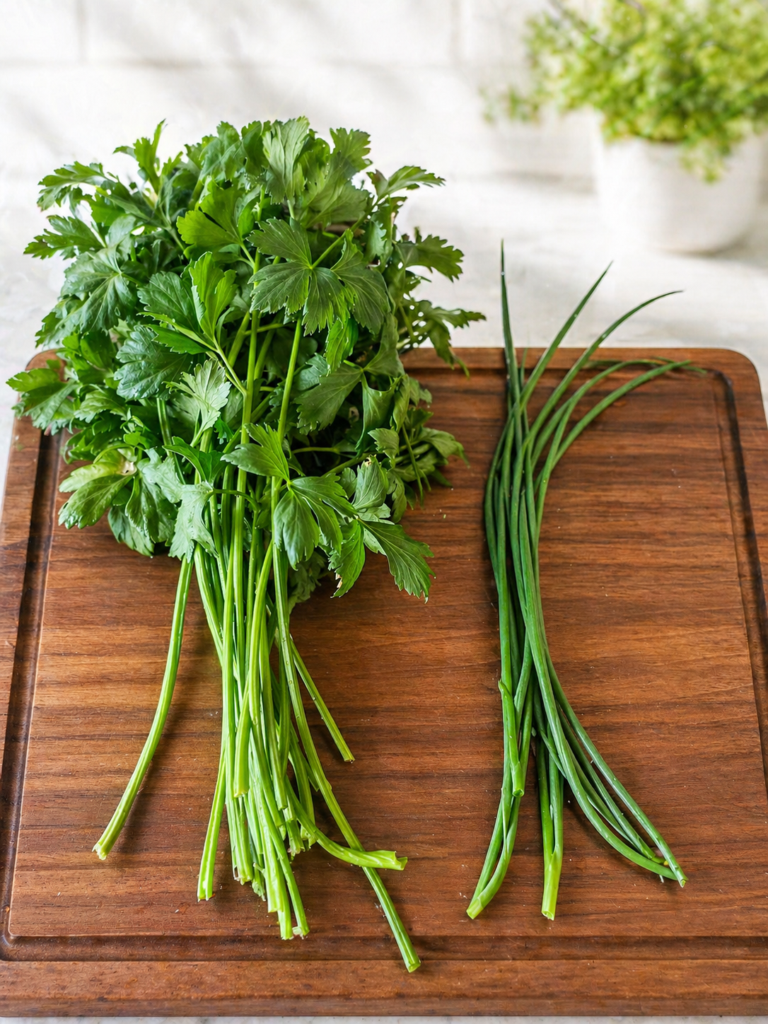
Herbs especially add up fast. A few ounces does not sound like much until you realize fresh organic herbs are usually sold in tiny bunches for several dollars each.
When Would My Two Gardyns Pay For Themselves?
This is where the math gets interesting.
Based on my first 7 months, my two Gardyn Home systems produced about 34 to 35 pounds of food.
When I compared that to Hawaii organic and local grocery prices, the harvest was worth roughly $400 to $485.
That means my two Gardyns replaced about $57 to $69 per month in produce during the first 7 months.
If I used that exact pace forever, two Gardyn Home systems would take about 26 to 32 months to pay for themselves, based on the regular $899 price per unit before taxes, discounts, or extra supplies.
But I do not think that tells the whole story. The first few months included a learning curve. I was figuring out plant spacing, pruning, feeding, EC levels, which crops were worth the slots, and which crops were dramatic little divas.
Looking at my later harvests, once the fruiting plants and bigger crops were established, the monthly value looked stronger.
If I keep growing the crops that worked best for us, I think a more realistic long-term grocery replacement value is closer to $90 to $120 per month for both systems.
At that pace, two Gardyns could pay for themselves in about 15 to 20 months.
The $100 discount also shortens the payback timeline slightly. It does not turn Gardyn into a cheap purchase, but it does help if you were already leaning toward the full-size Home system.
That is still not overnight. And I would never tell someone to buy Gardyn because it will magically erase their grocery bill.
But if you live somewhere like Hawaii where groceries are expensive, buy a lot of organic herbs and produce, hate wasting sad fridge greens, and actually enjoy using what you grow, the long-term value starts to make a lot more sense.
If I keep growing high-value crops like herbs, salad greens, tomatoes, cucumbers, peppers, and cabbage, the long-term value gets much more interesting.
For me, the value is part grocery savings, part less food waste, part pesticide-free produce, and part watching my toddler proudly eat tomatoes he helped grow.
That last part is not exactly something I can put in a spreadsheet. But also, yes, I absolutely tried.
| Scenario | Estimated monthly grocery value | Estimated payback timeline for 2 Gardyns |
|---|---|---|
| My first 7-month average | $57 to $69/month | About 26 to 32 months |
| Mature, value-focused growing | $90 to $120/month | About 15 to 20 months |
| Lettuce-heavy, max-yield setup | Potentially faster | Not my personal growing style |
I could probably get closer to Gardyn’s advertised yield if I grew mostly fast lettuces and leafy greens.
But that is not why I wanted an indoor garden.
I wanted food we actually use, food my toddler gets excited about, and fresh herbs that do not turn into expensive compost in my fridge after three days.
Space, Noise, and Convenience
Each Gardyn Home has a small footprint, which was one of the biggest selling points for me. It takes up about 2 square feet of floor space, so it feels more like adding a slim plant stand than setting up a full indoor garden.
I keep mine on rolling dollies, and I highly recommend that if you have hard floors. It makes refilling, cleaning, and moving the towers around so much easier.
You do not need plumbing or direct sunlight. The system just needs power and water in the tank.
For our small apartment, the Gardyn has still been very manageable. I keep both of mine on our enclosed lanai, and they fit well without taking over the space.
Noise has not been an issue at all. The pump runs during watering cycles, but it is a soft water sound, not a loud motor sound. Most of the time, I barely notice it.
The lights are the one thing to plan around.
They are bright.
I would not put a Gardyn in a bedroom or anywhere you want soft evening lighting. In a kitchen, living room corner, office, or enclosed lanai, I think it works much better.
Overall, Gardyn is very apartment-friendly. It gives you a real indoor garden without needing a yard, a sunny window, soil, or a big messy setup.
Gardening for Families
One of my favorite parts of having Gardyn has been watching my toddler get involved. He checks on the plants with me, helps with little tasks, and gets genuinely excited when something is ready to pick.
The cherry tomatoes have been the biggest win. I taught him to pick only the red ones, and now it has become part of our routine. He looks for the ripe tomatoes, pulls them gently, and eats them like they are the most exciting snack in the world.
I cannot fully explain how much I love that. It feels different when your child is eating food they helped grow.
He has also tried shishito peppers, cucumbers, and little bites of whatever we are harvesting that week. Some things he likes, some things he makes a face at (lettuce), because toddlers are tiny food critics with no filter.
But I still count it as a win. Gardyn has made fresh food feel more familiar to him. It is not just something that appears in a grocery bag. He sees the leaves grow, watches the flowers turn into tomatoes, and understands that food takes time.
As a parent, I also love knowing exactly what I used to grow our food. I am not wondering what was sprayed on the basil or how long the lettuce sat in a truck before it reached the store.
I can cut fresh herbs for dinner, grab lettuce when I need it, or pick cucumbers for snacks without watching another expensive produce container wilt in the fridge.
That has been one of the biggest emotional wins for me. Gardyn has not just helped us grow food. It has made food feel more connected, more useful, and more fun for our family.
Common Issues (and Fixes)
No indoor garden system is perfect, and Gardyn is no exception. The most common issues to watch for are algae, fungus gnats, plant crowding, nutrient imbalance, pollination, and the occasional app or Wi-Fi hiccup.
I have not had major algae problems, and I think the biggest reason is simple: I cover empty grow holes. Algae needs light to grow, so I use algae covers on any empty yCube spots to keep light from reaching the water.
I also check for fallen leaves around the base because decaying plant matter can make things messier than they need to be.
Fungus gnats have not been an issue for me either. That may be because Gardyn does not use open pots of damp soil, which is where fungus gnats usually breed. University extension guidance notes that fungus gnat larvae typically develop in moist potting soil or damp growing media, and yellow sticky traps can help monitor adult gnats indoors.
Plant crowding has been a bigger issue. Gardyn can grow a lot of food in a small space, but the plants still need airflow and light. If every slot is packed and every seedling survives, things can get crowded.
Now I prune regularly and remove older outer leaves before the tower gets too dense. I also leave the yCube slot above the tank opening empty. It makes refilling the tank easier, and it keeps the lower area from feeling so cramped.
Nutrient balance was my biggest learning curve. Gardyn’s reminders are helpful, but I found that adding nutrients every time I topped off the tank was too much for my setup.
Once I started using an EC meter, I realized my nutrient levels were already high, so I backed off. More plant food does not always mean better growth. For me, checking EC helped prevent overfeeding and made the plants look healthier.
That said, you do not need to test EC and pH to use Gardyn successfully. The system can run just fine with the basic routine: add water, add nutrients, prune when needed, and let the lights and pump do their job.
I started testing because I wanted to be more hands-on, and I enjoyed learning what was happening in the tank.
Pollination is another thing to understand, especially if you want fruiting crops. Tomatoes and peppers can usually set fruit indoors with a little help, and I gently shake the branches when flowers appear.
Squash is trickier. Squash have separate male and female flowers, so poor pollination can lead to low fruit set or misshapen fruit. University extension guidance recommends hand-pollination when natural pollinators are limited.
That explained a lot for me. My tomatoes and peppers did well, but squash needed more attention than I gave it.
The system has been reliable for me, but I still like checking the app and physically looking at the plants because plants will usually tell you something is off before it becomes a huge problem.
Overall, the fixes are simple: cover empty slots, prune before things get crowded, harvest often, keep an eye on water and nutrients, and hand-pollinate fruiting crops when needed.
Nothing about Gardyn has felt hard, in fact, I’m very happy with how easy it has been to grow food indoors.
Pros
Cons
Gardyn vs. Other Indoor Garden Systems
Before buying Gardyn, I looked at several indoor garden systems. A few looked beautiful, but once I compared the growing capacity, automation, and price, Gardyn was actually the most affordable option for what I wanted.
That surprised me because Gardyn is not inexpensive.
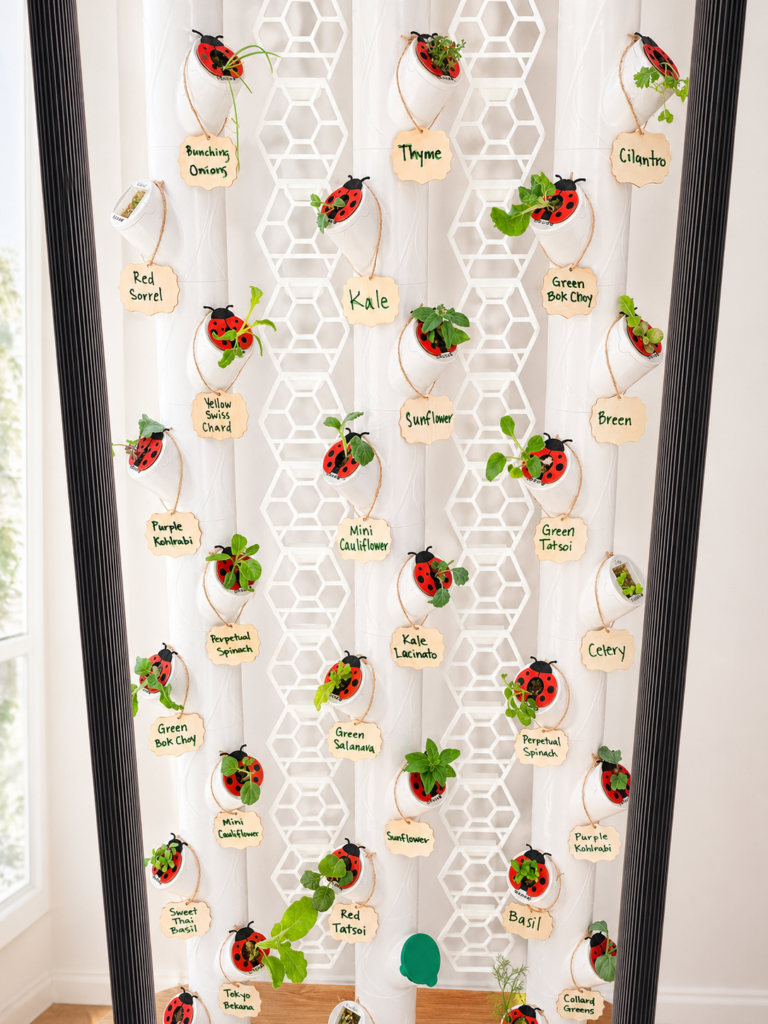
The Gardyn Home is currently listed at $899, but it grows 30 plants in about 2 square feet, with built-in lights, automatic watering, app controls, and plant monitoring.
For me, the value was not just the aesthetics. It was the fact that I could grow a full kitchen garden in a small apartment without buying separate grow lights, shelves, trays, pumps, timers, or a big DIY setup.
I also liked that Gardyn felt polished. The towers look nice in a living space, the lights and pump are built in, and the app made it easier to get started as a beginner.
You do pay more upfront than you would for a tiny herb garden. You also have to decide whether you want to keep using Gardyn’s yCubes, nutrients, and optional membership, or get more hands-on with your own seeds and plant food over time.
But for a 30-plant smart indoor garden, Gardyn felt like the best balance of capacity, convenience, and price. If you only want a few herbs on the counter, Gardyn is probably more than you need.
The code FRESH100 makes that comparison even stronger because it takes $100 off the Gardyn Home. I would not use a coupon as the only reason to buy it, but if you want the 30-plant version, I would absolutely use the discount.
But if you want a real indoor kitchen garden with leafy greens, herbs, tomatoes, peppers, cucumbers, and room to experiment, Gardyn makes more sense.
I also like that it grows without soil.
One 2024 study comparing hydroponic and conventional vegetables found lower lead and cadmium residues in hydroponic vegetables. It does support one of the reasons I like growing food this way: I know what I added to the water, I know what nutrients I used, and I know I did not spray pesticides on the food my family is eating.
For me, that peace of mind is a big part of the value.
Some frequently asked questions
Who Should Buy – and Who Should Skip
Gardyn is a good fit if you want a real indoor garden, not just a tiny countertop herb kit. It makes the most sense for people who want fresh produce year-round, but do not have the space, weather, time, or energy for a traditional outdoor garden.
I think it is especially useful for apartment living. We live in a small apartment in Hawaii, and I love that two Gardyn towers can grow a lot of food without taking over our home.
It is also a great fit for families.
My toddler loves being involved, and it has made fresh food feel more familiar to him. He sees the plants grow, helps pick ripe tomatoes, and gets excited about food in a way that feels very different from pulling produce out of a grocery bag.
Gardyn is also a good choice if you want the garden experience, but you do not want soil, outdoor pests, constant watering, or a big DIY setup.
It is not completely hands-off, but it does take care of the lights and watering for you. That removes a lot of the daily mental load.
I would also recommend it if you already buy a lot of fresh herbs, lettuce, greens, cucumbers, peppers, or cherry tomatoes. Those are the crops that made Gardyn feel the most useful in my home.
If that sounds like your household, the Gardyn Home is the one I would look at first. It gives you more growing room than the Studio, and you can use FRESH100 for $100 off the Gardyn Home.
That said, Gardyn is not for everyone. I would skip it if you only want to grow a few herbs once in a while. In that case, a small countertop system or even a few pots near a window may be enough.
My honest take: Gardyn is worth considering if you want a beautiful, compact, indoor food garden that can grow more than just lettuce.
It works best when you actually enjoy using it, harvesting from it, and learning a little as you go.
If that sounds like you, Gardyn can become one of those purchases that feels expensive at first, then slowly earns its spot in your home. 🌿
If you want the full 30-plant Gardyn Home, you can use my code FRESH100 to save $100.