
Low tox home swaps do not have to mean replacing everything you own. Start with damaged items, how you heat food, and a few changes to your cleaning routine. Bigger purchases can wait until you actually need them.
Start this week:
What can usually wait:
The finish-first option: use up what you already have, then replace it with a better option. Panic-purging a full kitchen or bathroom creates waste, costs real money, and is not necessary for meaningful exposure reduction. That does not mean finishing a product that irritates your skin or continuing to use something damaged.
Key Takeaways
The most effective approach to low tox home swaps is to replace heated food-contact items and fragrance sources first, establish free ventilation habits immediately, and let everything else follow natural replacement cycles.
| Priority | What that means |
|---|---|
| Indoor air | Reduce unnecessary fragrance sources and ventilate when outdoor conditions allow. |
| Kitchen | Check cookware condition and use food containers as intended. |
| Mattresses | Look at condition and safe fit. A missing certification alone is not a reason to replace one. |
| Finish first | Use up products that work for you, unless they cause irritation or are no longer suitable to use. |
| Future purchases | Check materials, ingredient information, and what relevant certifications actually cover. |
Low tox kitchen swaps: what to prioritize first
Heat is the variable that changes everything in the kitchen. When plastic, nonstick coatings, or certain food-contact materials get hot, chemical migration accelerates. That is why the kitchen is the right place to start, because the specific items you heat matter far more than the ones sitting in a drawer.
Replace these first:
What you can keep for now:
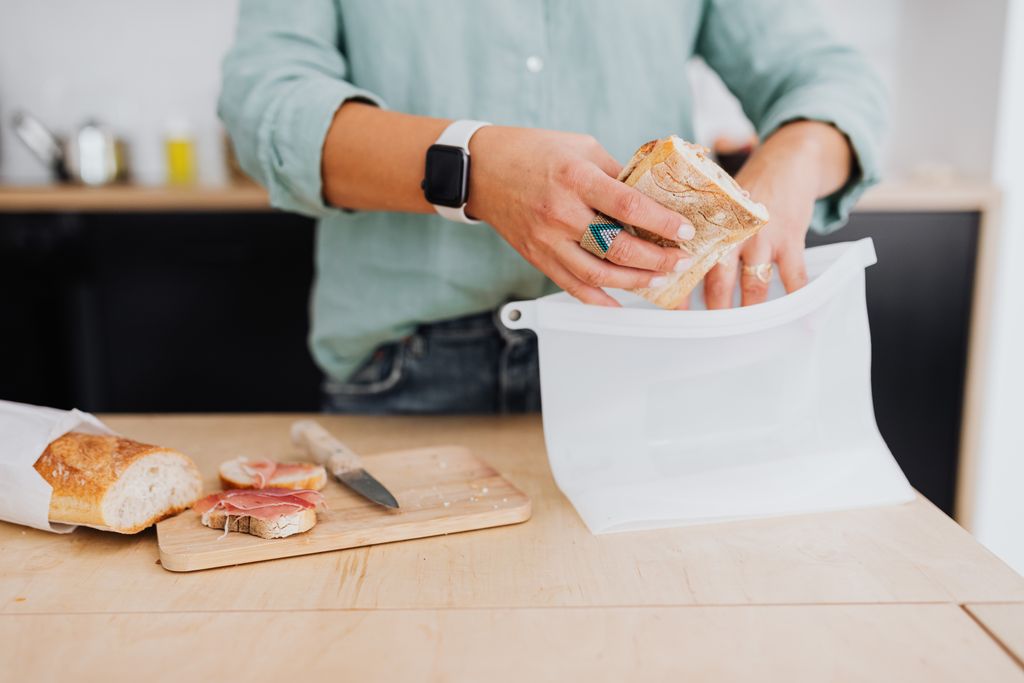
For food storage, glass and stainless steel are the clearest upgrades. Glass is inert at any temperature; stainless steel handles heat without leaching microplastics. Neither requires you to throw out every plastic container you own. Start with the ones that go in the microwave or hold hot leftovers. The cold-storage containers can wait.
Coffee and tea habits are a smaller but real exposure point. A stainless steel or glass kettle is worth having when your plastic one eventually dies. Travel mugs are worth checking: stainless steel interiors are preferable to plastic-lined ones, especially for hot liquids.
Pro Tip: Before replacing a pan, test it. Run your fingernail lightly across the surface. If the coating flakes, chips, or feels rough in patches, retire it. A smooth, intact nonstick surface used below 500°F poses a much lower risk than a degraded one.
- Retire scratched or peeling nonstick cookware immediately
- Replace heated food-contact plastics (microwave containers, plastic utensils over heat)
- Swap PFAS-treated bakeware when it wears out; use our non-toxic bakeware guide to choose a replacement
- Upgrade food storage to glass or stainless for hot foods first, cold storage second
Cleaning and laundry swaps that actually lower your chemical load
The cleaning aisle is one of the easiest places to reduce exposure, and most of the best swaps cost the same or less than what you are already buying.
Ingredients to avoid in cleaners and laundry products:
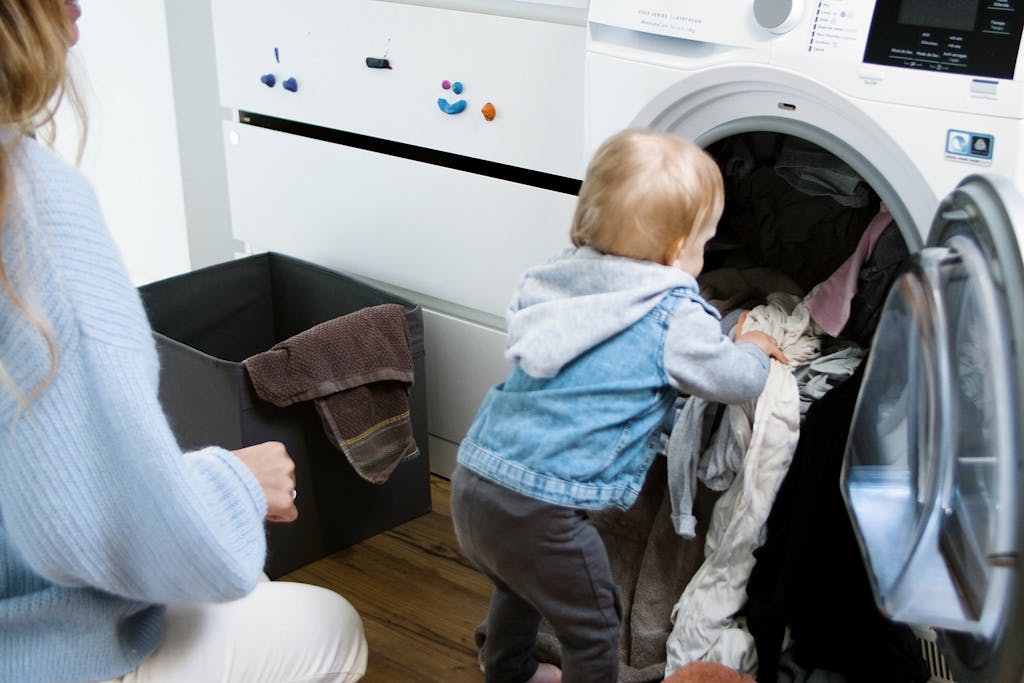
The single highest-impact laundry swap is ditching fragranced detergent and dryer sheets. Fragrance in laundry products stays on fabric for hours and transfers directly to skin. Fragrance-free detergents work just as well. Wool dryer balls replace dryer sheets entirely and last for years.
For surface cleaning, a simple vinegar-and-water solution (1 part white vinegar to 3 parts water) handles most kitchen counters and bathroom surfaces. Add a few drops of tea tree oil if you want mild antimicrobial action. One caveat: do not use vinegar on natural stone like marble or granite, where it etches the surface.
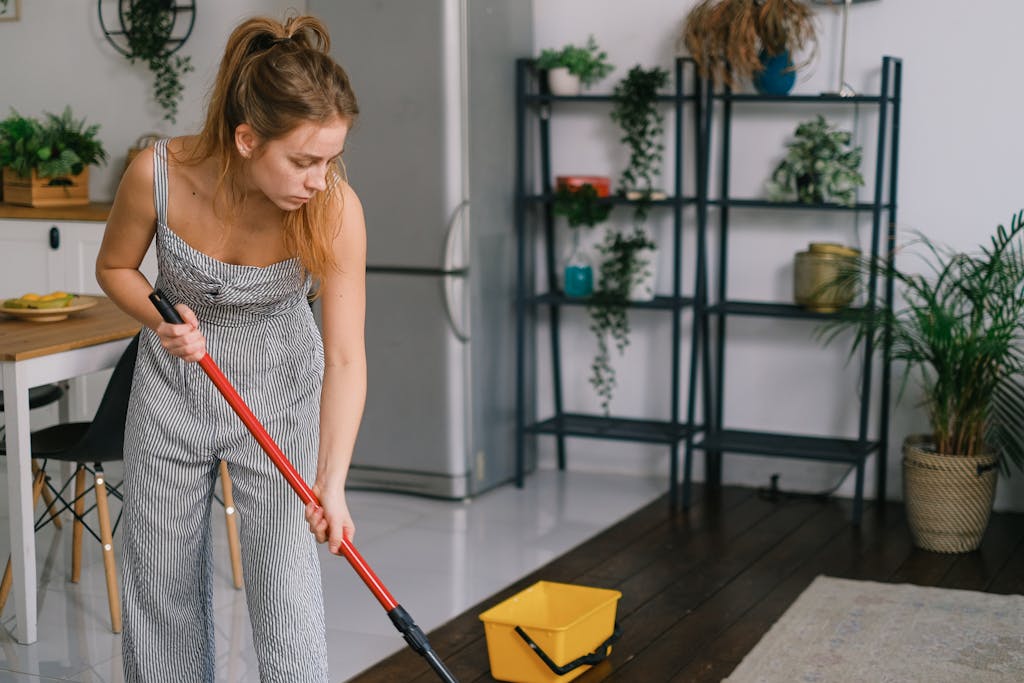
A safer deep-clean routine (step by step):
- Open windows before you start — ventilation is the most underrated cleaning tool
- Vacuum with a HEPA-filter vacuum, especially in bedrooms and living areas, to capture fine particles rather than redistributing them
- Wipe surfaces with a damp microfiber cloth before applying any cleaner — mechanical action removes most of the load
- Apply your fragrance-free or DIY cleaner, let it sit, then wipe
- Rinse food-contact surfaces (counters, cutting boards) with plain water after cleaning
- Wash cleaning cloths in hot water after each use
For a full product-by-product breakdown, the non-toxic spring cleaning guide on Naturally Non-Toxic covers specific brands and formulas worth trusting.
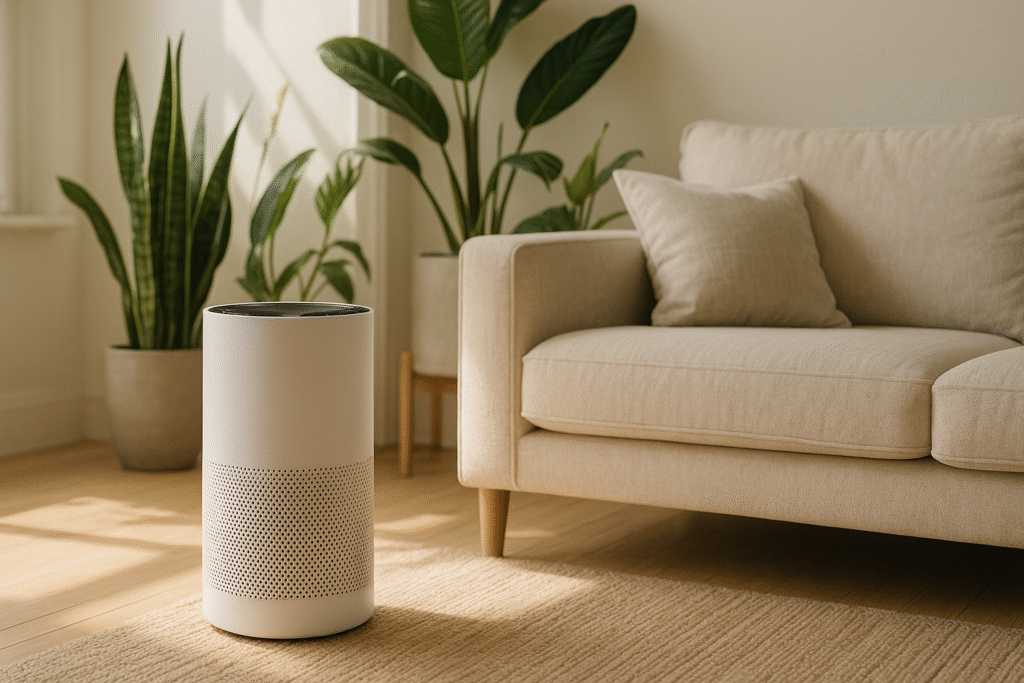
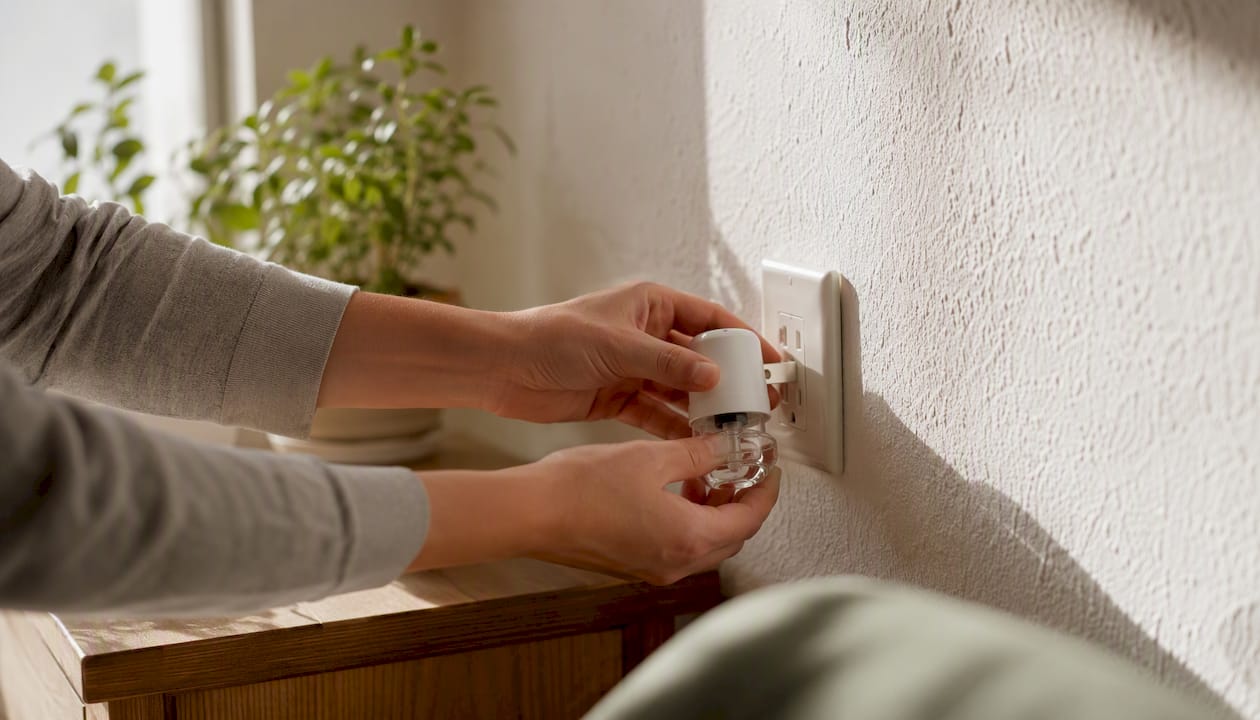
Plug-in air fresheners and aerosol sprays are worth cutting now, not later. They are among the highest-concentration sources of synthetic fragrance and VOCs in a home, and they run continuously. Replacing them costs nothing: just stop buying them.
Personal care swaps and the ingredient flags worth knowing
Skin is not a perfect barrier. Products applied frequently, left on skin, or used over large body surface areas contribute more to daily chemical exposure than products rinsed off quickly. That is the logic behind prioritizing body lotion, sunscreen, and deodorant over, say, a shampoo you rinse out in 30 seconds.
Priority personal care swaps:
Ingredients to scan for on the label:
A practical label-reading habit: check the front of the pack for marketing claims (these are largely unregulated), then flip to the ingredient list and scan the last five ingredients, where preservatives and fragrance typically hide. The EWG Skin Deep database lets you search any product or ingredient for a hazard rating, which is a useful cross-check when you are unsure.
Pro Tip: The “finish first” rule applies here too — but with one exception. If a product contains a known endocrine disruptor like oxybenzone or a high-fragrance load and you use it daily, it is worth replacing before the bottle runs out.
The personal care category is also where the non-toxic makeup guide on Naturally Non-Toxic is worth bookmarking. Makeup sits on skin for hours and often contains fragrance, so it is a meaningful swap when you are ready.
Furniture, mattresses, and off-gassing: the bigger-ticket decisions
New furniture, fresh paint, and synthetic carpeting all off-gas volatile organic compounds (VOCs), and the rate is highest in the first weeks after installation. Heat accelerates it further. This is why a newly furnished room or a freshly painted nursery smells so strongly, and why ventilation during and after installation matters more than the brand of paint you chose.
Sources of off-gassing to know:
Prioritization rule: the bedroom comes first. You spend roughly 7–9 hours there every night, which makes it the highest-occupancy room in your home. If your mattress is old, has no certifications, or smells noticeably chemical, it is the right place to invest. Look for certifications like GREENGUARD Gold, OEKO-TEX Standard 100, or CertiPUR-US as a starting point, though certifications work best when combined with ingredient transparency, not as a standalone guarantee. The non-toxic mattress guide on Naturally Non-Toxic walks through what each certification actually covers.
For PFAS-treated fabrics (stain-resistant sofas, water-repellent outdoor cushions), the practical guidance is: do not replace them urgently unless they are damaged or heavily worn. Intact PFAS coatings release less than degraded ones. When they do wear out, choose untreated natural fabrics or PFAS-free alternatives.
Pro Tip: When you bring new furniture home, leave it in a well-ventilated garage or spare room for 3–7 days before moving it into a bedroom or nursery. This “airing out” period captures the highest-emission window before the item enters your living space.
Baby and kids swaps: where to focus your energy first
Children absorb more relative to their body weight than adults, which means the same household exposure hits harder. That is not a reason to panic; it is a reason to be strategic about which swaps happen first.
New research suggests that parental avoidance of certain toxic exposures is associated with reduced risk markers for neurodevelopmental outcomes, which supports prioritizing the nursery and infant environment above other rooms.
By age group:
- Infants (0–12 months): Mattress safety is the top priority. An infant spends up to 16 hours a day on their mattress. Look for GREENGUARD Gold or GOTS-certified organic options. Bottles and food-contact items should be glass or stainless steel. Avoid older secondhand furniture that may contain flame-retardant chemicals (pre-2013 upholstered items are a particular concern).
- Toddlers (1–3 years): Floor time means dust exposure is high. HEPA vacuuming and removing shoes at the door are free interventions. Swap plastic plates and cups for stainless or silicone when they wear out. Check the non-toxic snack containers guide for practical food-contact options.
- School-age kids (4+): Lunchboxes and water bottles are daily food-contact items worth upgrading. The PlanetBox stainless lunchbox comparison is a useful starting point. Backpacks, binders, and school supplies can wait for natural replacement cycles.
Safe starter swaps for any age:
For gift-giving guidance that avoids the most common problem materials, the non-toxic baby gifts guide covers what to skip and what to look for.

A practical prioritization framework: what to swap and when
The simplest decision framework for non-toxic swaps runs in this order: Air → Skin → Food contact → Decor. Each step reflects how directly and how often that category reaches your body.
- Air — ventilation, fragrance sources, VOC-emitting materials. Highest priority because you breathe continuously.
- Skin — personal care products applied daily, especially leave-on products over large areas.
- Food contact — cookware, food storage, utensils, especially anything heated.
- Decor — furniture, textiles, candles, decorative items. Lowest urgency; replace on natural cycles.
A realistic phased timeline:
Pro Tip: When you do replace something, consider donating usable items rather than trashing them. Donation reduces waste and cost simultaneously.
Daily habits that cut exposure without spending a dollar
Ventilation is the most cost-effective intervention for improving indoor air quality, according to the US EPA. Opening windows for even 10–15 minutes dilutes VOC concentrations and flushes out particulates that accumulate overnight. Think of it as a daily reset for your indoor air.
A simple daily ventilation routine:
- Open two windows on opposite sides of the home for cross-ventilation each morning
- Run the kitchen exhaust fan while cooking, even on low heat
- Run the bathroom fan during and for 15 minutes after showers
- Air out bedrooms before making beds — pull back covers for 10–15 minutes
Dust control is the other high-return habit. Household dust carries residues from flame retardants, PFAS, and other chemicals that settle out of furniture and textiles over time. A HEPA-filter vacuum captures fine particles that a standard vacuum recirculates. Removing shoes at the door cuts the amount of outdoor contaminants tracked in. Washing bedding weekly in hot water reduces dust mite load and any accumulated chemical residue.
For carpets and rugs, regular maintenance and proper cleaning methods meaningfully reduce dust-borne contaminants and their associated exposures. A HEPA vacuum used consistently outperforms an occasional deep clean.
Pro Tip: Seasonal implementation makes ventilation habits stick. In spring and fall, when outdoor air quality is typically good, make a point of airing every room for 20–30 minutes. In summer and winter, shorter bursts still help — just check your local air quality index first if you live near a high-traffic area.
How Naturally Non-Toxic researches and chooses products
Every recommendation on Naturally Non-Toxic starts with the ingredient list, not the marketing claim. “Clean,” “natural,” and “green” are unregulated terms that appear on products with wildly different formulations. The site’s vetting process cuts through that.
Core vetting criteria:
Certifications are useful signals, not guarantees. GREENGUARD Gold, for example, tests for chemical emissions but does not cover every ingredient concern. OEKO-TEX Standard 100 covers textiles for harmful substances. CertiPUR-US applies to foam in mattresses and cushions. Using them together with ingredient transparency gives a more complete picture than any single label.
The two guiding principles behind every recommendation:
- Finish first: recommend replacements timed to natural product end-of-life, not panic purchases
- Prioritize high-contact items: food-contact and skin-contact items that are heated or used daily get reviewed first
A practical label checklist for shopping:
- Flip to the ingredient list — ignore front-of-pack claims
- Scan for “fragrance,” “parfum,” or “scent” anywhere in the list
- Check for parabens (any ingredient ending in “-paraben”)
- Look for PFAS indicators: “fluoro-” prefix in any ingredient name
- Cross-reference with EWG Skin Deep (personal care) or EWG’s Healthy Living app (cleaning products)
- Check for a relevant third-party certification mark on the packaging
Pro Tip: The EWG Healthy Living app lets you scan a product barcode in-store and get an instant hazard rating. It is not perfect, but it is the fastest way to flag a problem ingredient before you buy.
You can read more about the site’s full methodology on the how I research and choose products page, and the editorial standards page explains how recommendations are kept current.
Frequently Asked Questions
Check out these favorites