Back-to-school shopping is in full swing, but before you toss those standard supplies in your cart, take a pause. Choosing non-toxic school supplies matters—many everyday essentials, from crayons to lunch boxes, can contain hidden toxins that may impact your child’s health or the environment.
For example, a U.S. PIRG study found asbestos in some crayons, phthalates in plastic 3-ring binders, benzene in dry-erase markers, and even lead in kids’ water bottles. Children are especially vulnerable to such chemicals since their bodies are still developing.
The good news is that safer, eco-friendly alternatives are more available than ever. This guide will walk you through non-toxic school supplies and lunch gear – from backpacks and lunch boxes to art supplies – so your kids (from preschool to college) can head back to school safely and sustainably.
Why Choose Non-Toxic School Supplies?
“Non-toxic” isn’t just a buzzword – it means products without harmful chemicals that could affect kids’ health in the short or long term. Keep in mind that a “non-toxic” label on a product is not heavily regulated, so we need to do our own research.
Children spend hours using these supplies and eating from their lunch containers, so even low-level chemical exposures (endocrine disruptors or carcinogens) can add up over time. By choosing safer materials (like organic fabrics, stainless steel, or natural wax) and avoiding known toxins (like PVC, BPA, phthalates, and heavy metals), you’re taking preventive steps for your child’s health. Plus, many non-toxic options are also eco-friendly, helping reduce pollution and waste.
Prioritize items that have the most direct impact on your child’s body. For instance, lunch gear and water bottles should be at the top of your non-toxic school supplies shopping list, since harmful chemicals can leach into food and drinks that your kids ingest. Swapping plastic or chemically treated items for safer versions will give you more peace of mind than, say, choosing a recycled notebook. In the end, aim for progress, not perfection – even a few simple swaps can make a big difference in reducing your family’s toxic exposure.
How I Chose These Non-Toxic School Supplies
For this guide, I prioritized school supplies made with safer materials like stainless steel, glass, organic cotton, recycled paper, natural wax, unlacquered wood, and clearly disclosed food-safe linings.
For backpacks and lunch bags, I looked for products that are PFAS-free, PVC-free, lead-free, and phthalate-free whenever possible. For water bottles, I prioritized brands with clear lead-free manufacturing or materials that do not require vacuum-seal solder, like glass or single-wall stainless steel.
For art supplies, I looked for kid-specific products labeled non-toxic, AP certified, water-based, fragrance-free, or made with natural ingredients. I avoided scented markers, vinyl binders, mystery plastic lunch gear, cheap no-name crayons, and brands that use vague “eco” claims without enough material detail.
Below, we’ve broken down the guide into categories with safe back-to-school picks. You’ll find non-toxic school supplies recommendations and tips for what to look for. Let’s get started!
Quick Picks: Best Non-Toxic School Supplies for Back-to-School
Short on time? Start here. These are the safer swaps I’d prioritize first, especially for anything that touches food, water, or your child’s skin every day.
Non-Toxic Backpacks, School Bags, Pencil Cases & Laptop Sleeves
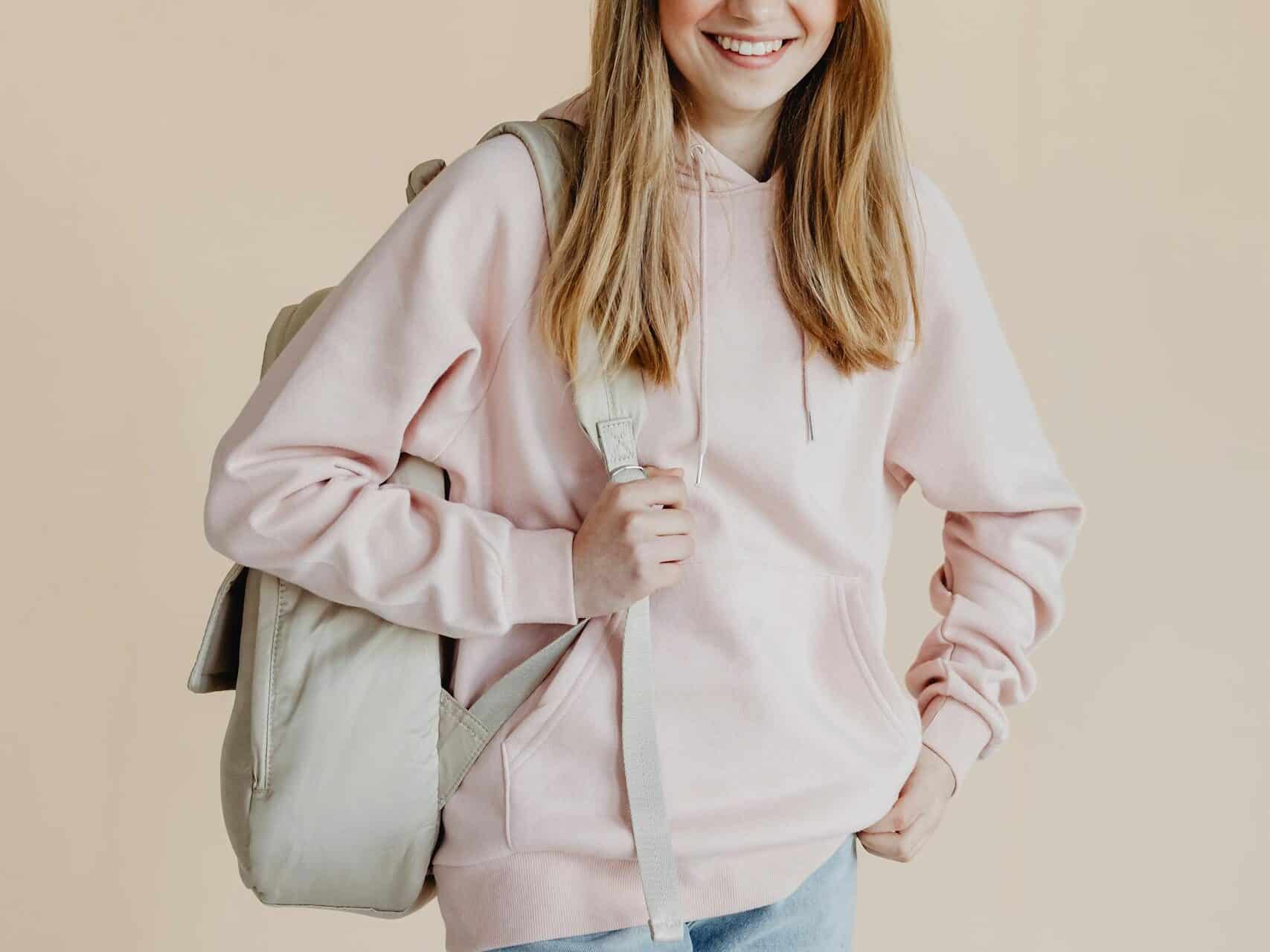
A sturdy backpack is a back-to-school must – but be careful with the materials. Avoid cheap vinyl backpacks at all costs. Vinyl is another name for PVC plastic, whose main ingredient (vinyl chloride) is a known human carcinogen. PVC often contains phthalates, chemicals used to soften plastic that are linked to hormone disruption.
But it’s not just about PVC. Many backpacks are also treated with PFAS (aka “forever chemicals”) to make them water-resistant or stain-repellent. These chemicals don’t break down in the environment—and they can build up in the body over time. Some are linked to developmental issues, hormone disruption, and even cancer. Kids carry backpacks every day, often touching them with bare hands, hugging them to their chest, or tossing them on the bed.
That “new backpack smell” could be telling you something! Instead, look for backpacks labeled “PVC-free” and, ideally, “PFAS-free” too. Safer materials include natural fibers (like cotton) and sturdy synthetics like polyester (preferably recycled) without toxic coatings. Bonus points if the backpack is also OEKO-TEX certified or made by a company that discloses full material safety.
Best Non-Toxic Backpacks for Preschoolers & Toddlers
For toddlers and preschoolers, I looked for smaller backpacks made without PVC, phthalates, or PFAS-based coatings. These picks are lightweight enough for little shoulders but still roomy enough for a lunch box, change of clothes, and tiny treasures they absolutely insist on bringing to school.
 Ten Little Toddler Backpack
This one’s a fan favorite for a reason. It’s Oeko-Tex certified, free from all the usual toxins (no BPA, phthalates, PVC, or lead), and perfectly sized for preschoolers. The straps are padded and comfy, and there’s even a name tag slot inside. It comes in two minimalist color options.
 JAN & JUL Toddler Backpack
This small-but-mighty backpack is made from durable, water-resistant polyester that’s completely fluorocarbon-free (no PFAS!). It’s designed for ages 2 to 5 and has a chest strap to help keep it from slipping off tiny shoulders. We love that it’s free from PVC and other harsh chemicals and comes in fun patterns like dinos and forest animals.
 Fjällräven Kanken Mini Backpack
Kånken Minis have become a parenting favorite for good reason. They’re made from Vinylon F, a water-resistant fabric that doesn’t require a toxic coating—and Fjällräven has been completely fluorocarbon-free since 2009. The size is ideal for toddlers and preschoolers, and it still holds a lunchbox, water bottle, and change of clothes. It’s also the sturdiest mini-pack on this list, and the color options are endless.
Best Non-Toxic Backpacks for Elementary School Kids
Elementary school backpacks need to do a little more heavy lifting: folders, library books, lunch gear, water bottles, and probably at least one crumpled art project at the bottom. For this age group, I looked for backpacks that are still lightweight and kid-friendly, but roomy enough for real school days. These picks avoid the biggest backpack red flags, like PVC, phthalates, and PFAS-based water-repellent coatings, while still being durable enough for daily use.
 JAN & JUL Kid's Backpack
Designed with growing kids in mind, this backpack is just the right size for elementary school essentials. It’s made from durable, water-resistant fabric that’s completely PFAS-free, with thoughtful features like chest straps, side bottle holders, and bright, fun patterns. Jan & Jul is one of the few brands that explicitly states they don’t use any fluorinated coatings—even on their water-resistant gear.
 Osprey Daylite Jr. Kids' Commuter Backpack
Originally designed for hiking, the Daylite Jr. transitions seamlessly into school life. It’s made from bluesign® approved recycled polyester with a PFAS-free water-resistant coating, and it’s surprisingly spacious for its 10-liter size. This one is great for active kids, walkers, and bikers thanks to its padded straps and ergonomic design.
Best Non-Toxic Backpacks for Tweens, Teens & Beyond
For tweens and teens, the backpack needs to feel a little less “little kid” and a lot more practical. Think bigger capacity, padded straps, laptop or tablet space, water bottle pockets, and enough room for school, sports, and after-school chaos. In this section, I focused on non-toxic backpacks that are more mature in style, made without PVC, and either PFAS-free or made with safer non-PFC water-resistant finishes. These are the picks I’d consider for older kids who need something sturdy, functional, and not embarrassing.

Terra Thread Earth Backpack is a clean, natural-fiber pick made from GOTS-certified organic cotton canvas in a Fair Trade Certified factory. It has a simple, sturdy design with roomy compartments, side bottle pockets, and a laptop sleeve, making it a great plastic-free option for older kids, teens, or college students.
 The North Face Kids' Court Jester Backpack
The North Face Court Jester is a roomy, tween-friendly backpack made from recycled polyester. It has a larger 24.6L capacity, padded straps, two water bottle pockets, and enough space for school folders, lunch gear, and everyday essentials. This backpack uses a non-PFC water-repellent finish, which is a better choice than traditional PFAS-based coatings. For the strictest PFAS avoidance, I still prefer brands with stronger material transparency, but this is a solid mainstream option for tweens and younger teens.
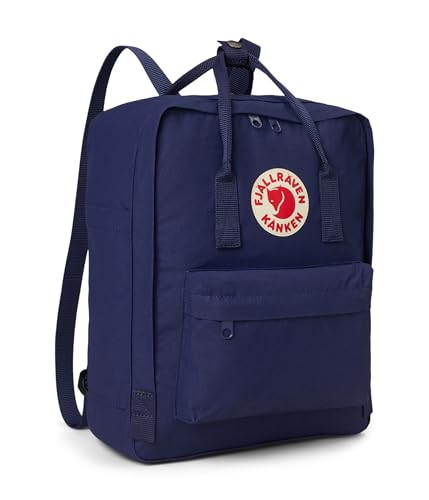 Fjällräven Kanken Backpack
The original Kånken is a Scandinavian classic—and it’s not just about looks. Fjällräven phased out all fluorocarbons in 2009, so this backpack has zero PFAS, no vinyl, and no sketchy coatings. It’s made from Vinylon F, which naturally repels moisture without added chemicals. It also fits a laptop, notebooks, and your teen’s entire personality.
Backpacks touch your child’s skin and carry all their stuff daily. By picking a non-toxic, well-made backpack, you eliminate exposure to nasty chemicals like vinyl chloride and phthalates and get a product that won’t fall apart by mid-year. It’s a win for your kid’s health and your wallet (no more yearly backpack replacements).
Organic Cotton Pencil Cases
Most pencil cases are made from polyester, vinyl, or coated synthetic fabric. I prefer a washable organic cotton pencil pouch that avoids the plastic-heavy construction while still being sturdy enough for daily school use. It is not completely plastic-free because the zipper tape and thread may still be polyester, but the main fabric is a much better material choice.

The Terra Thread Bataí Pencil Bag is my favorite lower-plastic pencil case for school. It is made from thick GOTS-certified organic cotton canvas with a lead-free metal zipper, and the simple 9-inch pouch has enough room for pencils, pens, erasers, and a small sharpener. I also appreciate that Terra Thread clearly discloses the polyester zipper tape and thread instead of pretending the entire bag is plastic-free.
Organic Cotton Laptop Sleeves
Laptop sleeves are often made from neoprene, polyester, and synthetic foam. Terra Thread offers a harder-to-find alternative made from sturdy organic cotton canvas with organic cotton padding. It is not waterproof or completely synthetic-free, but it avoids the thick foam and rubbery materials used in many conventional laptop cases.

The Terra Thread Erdig Laptop Sleeve is my pick for students carrying a 13- or 14-inch laptop. The GOTS-certified organic cotton canvas is padded with organic cotton instead of conventional synthetic foam, while the zippered front pocket holds a charger or other small essentials. It is made in a Fair Trade Certified factory and uses lead-free metal zippers, although the zipper tape and thread are still polyester. Measure the laptop before ordering because the fit is designed to be snug.
Before You Shop…
Many of the items below ship with Amazon Prime. Not a member yet? Prime Trial offers new customers a 30-day trial for Prime or a 6-month trial for Prime for Young Adults.
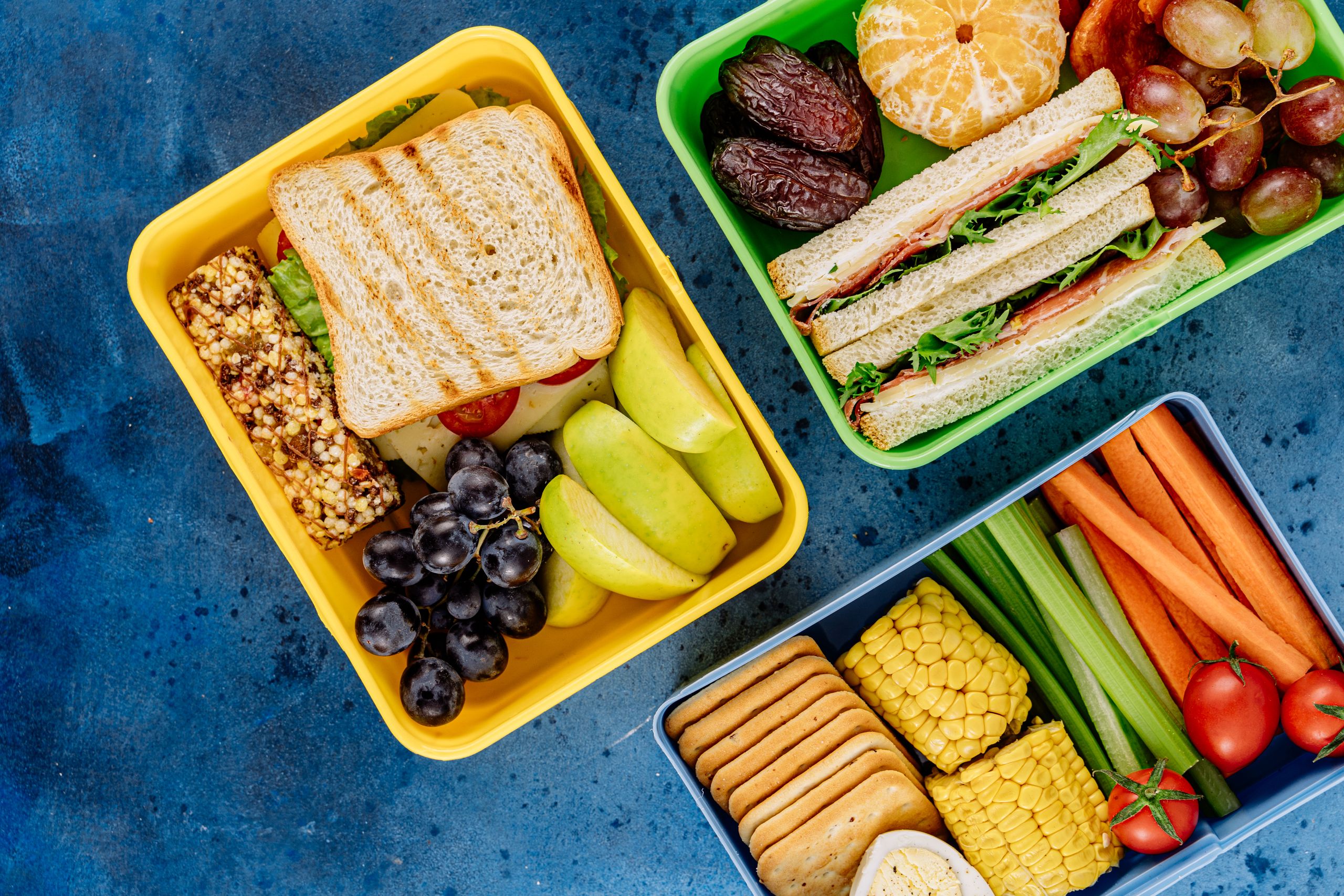
Safer Lunch Boxes & Lunch Bags (BPA-Free, Lead-Free Lunch Gear)

Lunch time shouldn’t come with a side of chemicals. Unfortunately, some traditional lunch boxes and lunch bags are made with problematic materials. Avoid soft vinyl lunch bags (they can contain lead or phthalates), and be cautious with cheap plastic lunch containers that may leach BPA/BPS or other bisphenols into food. Insulated lunch totes sometimes use foam with formaldehyde or coatings with PFAS (per- and polyfluoroalkyl substances) for water resistance. We want to skip all that and stick to food-grade, non-toxic materials.
What to look for: lunch boxes labeled BPA-free, PVC-free, and lead-free, with stainless steel as my preferred material for direct food contact. If you’re shopping for a younger child, I put together a full guide to the best stainless steel bento boxes for toddlers and preschoolers with options for different appetites and budgets.
The bag matters too. Water- and stain-resistant lunch bags are one place PFAS treatments can show up, so I also have a separate guide on how to choose a PFAS-free lunch bag for kids.
Top Lunch Gear Picks
I still prefer stainless steel for direct food contact, but I don’t think parents need to panic about every plastic lid, seal, or straw. If you’re trying to figure out where plastic exposure is actually worth worrying about, I broke down how much plastic contact matters in kids’ lunch gear, including the difference between incidental contact and storing food directly in plastic.

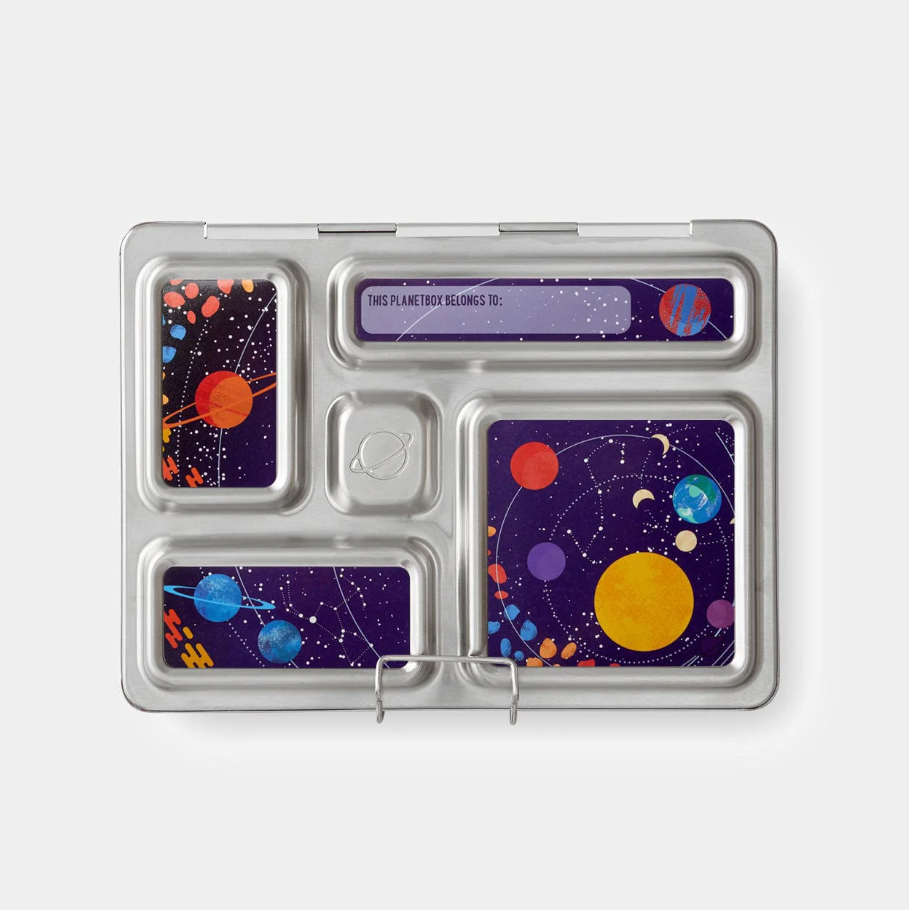
I own and use the PlanetBox Rover with my toddler, and its five compartments make it especially easy to pack a varied lunch from simple foods. The recycled stainless steel set includes two leakproof Dipper containers for yogurt, applesauce, sauces, and other wet foods. The main compartments are not leakproof, and the box is heavier and shallower than it appears, but it remains my favorite of the two for everyday lunches.
The current Rover has five compartments and includes two leakproof Dippers. PlanetBox identifies it for ages 3+ and instructs users to remove the decorative magnets before washing.
The Annual PlanetBox Back to School Sale is back! Save up to 60% sitewide, including 20% off all lunch boxes. No promo code needed! Sale goes from July 7th to Sept 20th.
Trying to decide between PlanetBox sizes? I own both, so I compared the PlanetBox Rover vs. Shuttle side by side, including capacity, weight, leak resistance, ease of opening, and which one I actually reach for most.
 Fluf Lunch Bag
If you’re looking for a soft lunch bag that’s truly non-toxic, Fluf delivers. The exterior is GOTS-certified organic cotton, and the food-safe lining is made from recycled polyester with a tested non-toxic water-resistant finish—free from BPA, phthalates, and no PFAS. It zips shut, fits most bento-style boxes (including PlanetBox), and is fully machine washable, inside and out.
Waste-Free Food Containers & Snack Storage
Besides the main lunch box, consider the containers, wraps, and bottles that hold your child’s food. Single-use plastic baggies and plastic wrap are not only wasteful, but can also shed microplastics and contain chemicals like plasticizers.
For more options, I compared my favorite non-toxic snack containers and reusable bags, including stainless steel, silicone, paper, and other lower-plastic options for school lunches.
Best Reusable, Non-Toxic Food Storage
For reusable food storage, I like to avoid disposable plastic baggies and flimsy containers whenever possible, especially for foods that are moist, oily, or packed every day. These safer swaps are made from materials like stainless steel, platinum-grade silicone, cotton, and beeswax, so they help cut down on waste without adding extra plastic exposure to your child’s lunchbox. They’re also easy to reuse all school year, which makes them better for your budget and the planet.
 Stasher Silicone Reusable Food Storage Bags
If you haven’t tried Stasher bags yet, get ready! Made from 100% pure platinum-grade silicone, these reusable storage bags are free from BPA, BPS, lead, latex, and phthalates. They’re also dishwasher-safe, microwave-safe, freezer-safe, and even boilable. Use them for sandwiches, sliced fruit, crackers, or leftovers—they seal tightly and come in tons of fun colors and sizes.

I already use and love PlanetBox, so the Day Tripper is an easy snack container pick for school. It’s the size I’d grab for smaller snacks like fruit, crackers, cheese, veggies, or dips when I don’t need to pack a full lunchbox. It’s made with stainless steel and silicone, and PlanetBox is clear about avoiding BPA, PVC, phthalates, and lead, which makes it a much better long-term swap than flimsy plastic snack containers.
The Annual PlanetBox Back to School Sale is back! Save up to 60% sitewide, including 20% off all lunch boxes. No promo code needed! Sale goes from July 7th to Sept 20th.
 Bee's Wrap Beeswax Wraps for Food
Bee’s Wrap is made with organic cotton, beeswax, jojoba oil, and tree resin, creating a natural wrap that clings like plastic wrap—but without any of the toxins. Use it to wrap up sandwiches, cut fruit, cheese, or cover a small bowl. It softens with the warmth of your hands and forms a seal, then hardens in the fridge. Once worn out, it’s fully compostable.
 Stasher Paper Snack Bags
These are a nice backup for school snack duty when reusable bags are not realistic. Stasher’s paper snack bags are made from FSC-certified paper with a food-safe, no-wax design, so they avoid the plastic lining and waxy coatings found in many disposable bags. I use them for dry snacks like crackers, trail mix, pretzels, cookies, or fruit snacks, but stick with silicone or stainless steel for anything wet, oily, or messy. They also make paper sandwich bags. Stasher says they can be recycled with cardboard in most municipal programs.
By assembling a kit of stainless steel and reusable containers, you create a zero-waste lunch system that’s also non-toxic. Kids can easily manage these containers, and you’ll produce much less trash. Plus, you avoid mystery chemicals in plastic packaging touching the food. Win-win!
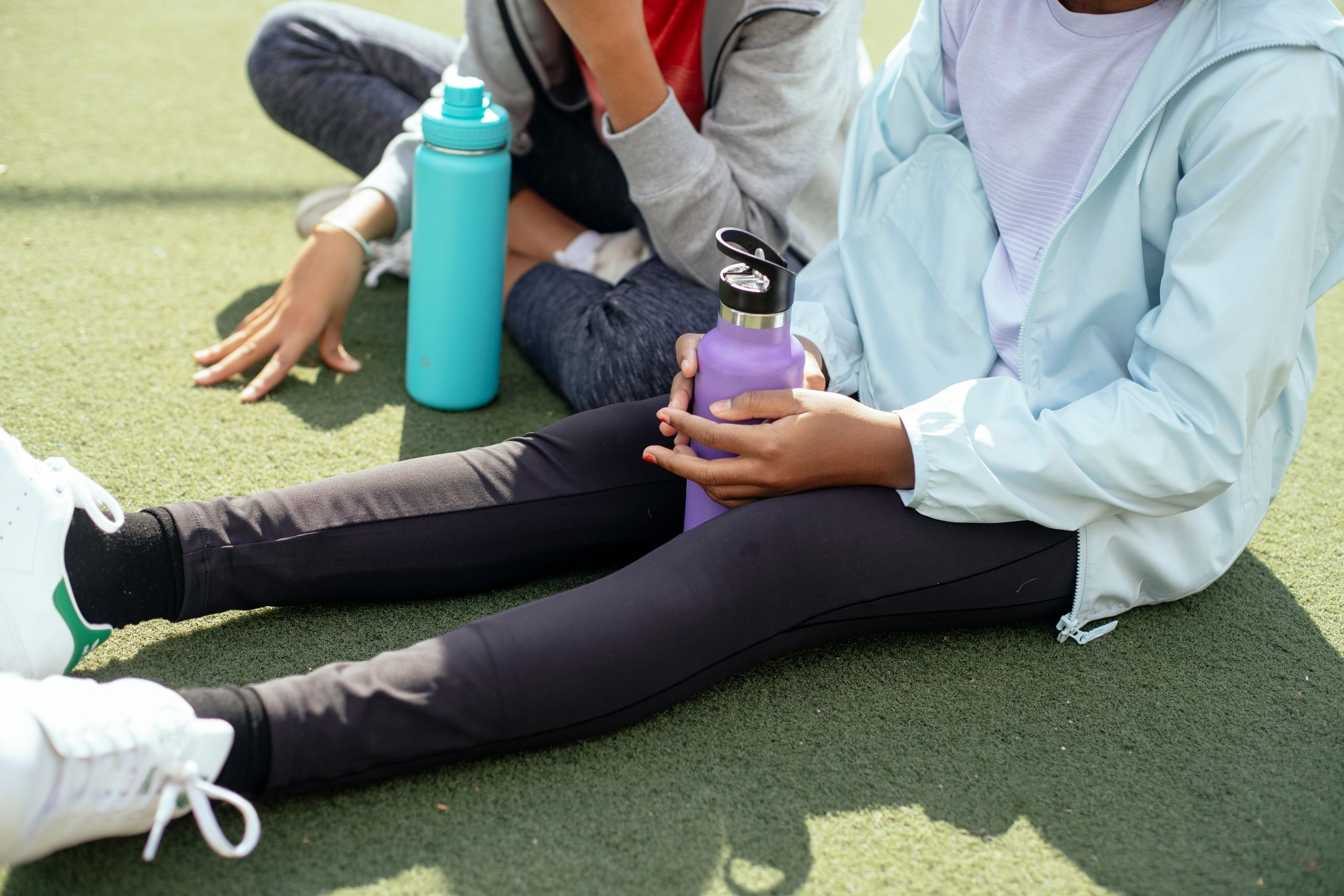
Safe Water Bottles (Stainless Steel & BPA-Free Hydration)
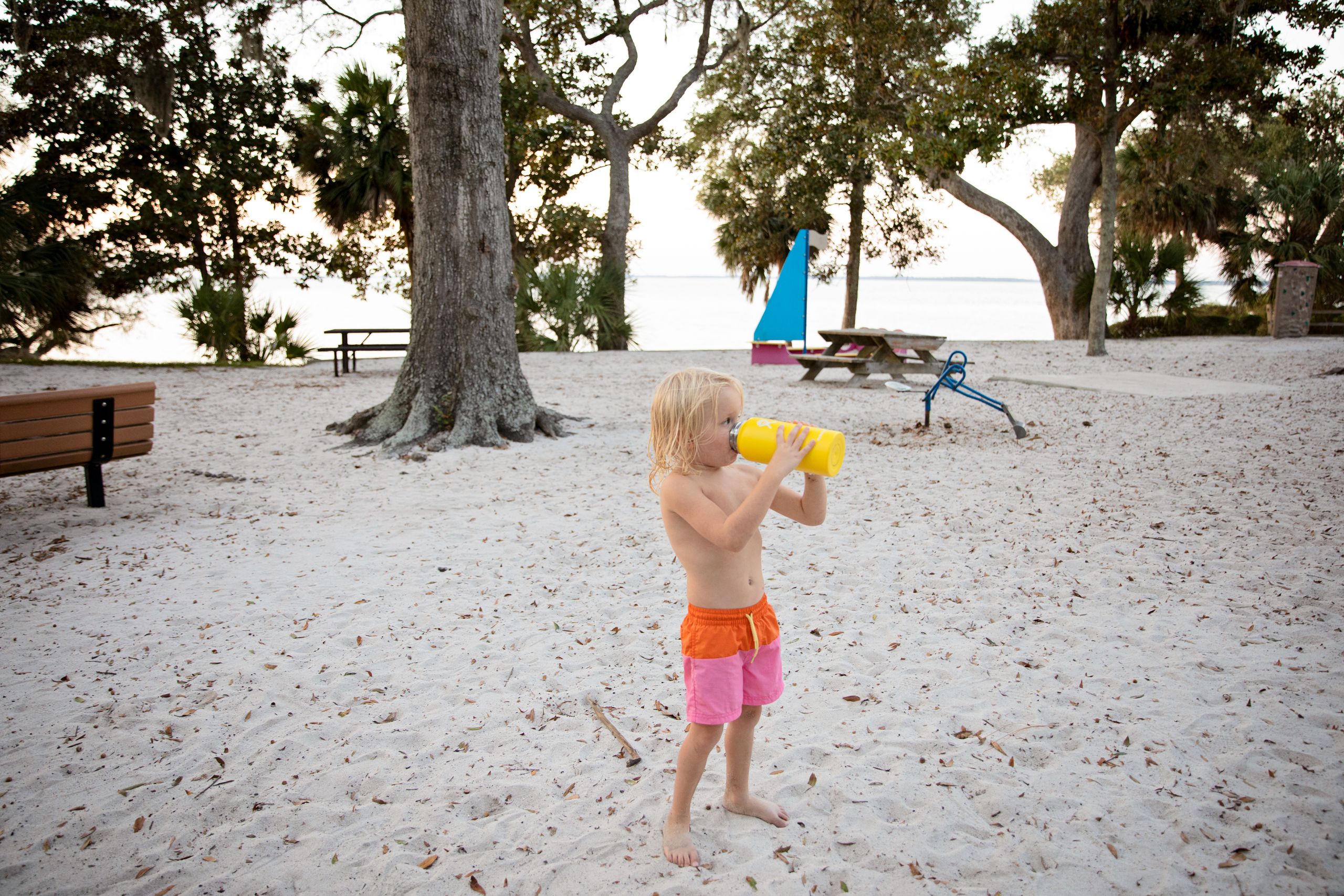
Keeping kids hydrated is important, but skip the cheap plastic water bottles. Some plastic bottles can leach chemicals (even BPA-free plastics might leach cousins like BPS). In fact, testing found lead in some kids’ aluminum water bottles with improper liners. The safest bet for a daily water bottle is food-grade stainless steel. Stainless steel bottles are durable, won’t leach, and keep drinks cold longer.
Top Water Bottle Choices
Water bottles are one of the school supplies I’m the pickiest about because kids drink from them all day. For this section, I looked for bottles made from safer materials like stainless steel, glass, and silicone, with extra attention to lead-free insulated designs.
If you’re not sure which material, lid, or straw setup makes the most sense for your child, start with my guide to choosing a kids’ water bottle. I break down stainless steel, silicone, straw lids, plastic contact, lead concerns, and what actually matters in everyday use.
Already know what you’re looking for? I also compared the best non-toxic kids’ water bottles for 2026, with picks for toddlers, preschoolers, older kids, lightweight bottles, insulated bottles, and lower-plastic designs.
 Pura Kiki 11oz Kiddo Straw Bottle
The Pura Kiki Kiddo is one of the most thoughtfully made children’s water bottles I’ve found. The bottle and collar are 18/8 stainless steel, while the drinking straw, cover, and sleeve are made from medical-grade silicone. There are no plastic components, and Pura states that the single-wall bottle is lead-free, BPA-free, BPS-free, and MADE SAFE certified. The interchangeable silicone tops also allow the same bottle to transition from a baby bottle to a straw, sippy, or sport bottle as your child grows.
Pros:
- Plastic-free stainless steel and silicone construction
- Lead-free, BPA-free, and BPS-free
- MADE SAFE certified
- Two-piece straw supports upright or tipped drinking
- Interchangeable tops extend the bottle’s usable life
- Suitable for ages 6 months and up
Cons:
- Not insulated
- Silicone straw will eventually need replacement
- Costs more than a basic plastic toddler bottle
 Owala FreeSip Kids Stainless Steel Water Bottle 16 oz
The Owala Kids FreeSip is a practical insulated option for preschool and school-age children who need a larger bottle they can operate independently. Its FreeSip lid allows children to drink through the built-in straw or tilt the bottle and use the larger opening. Owala states that its insulated bottles use lead-free solder, while the locking carry loop helps keep the lid closed inside a backpack.
Pros:
- Brand states that lead-free solder is used
- Built-in straw and chug opening
- Leakproof when properly closed
- Locking carry loop protects the release button
- 16-ounce capacity works well for school
- Insulated for cold drinks
Cons:
- FreeSip lid and drinking components contain Tritan plastic
- More lid components to clean than a simple chug bottle
- Stainless steel cup is best hand washed
 Klean Kanteen 27 oz Reflect Water Bottle with Bamboo Cap
The Klean Kanteen Reflect is one of the cleanest water bottle options because it keeps things simple: stainless steel, bamboo, and silicone. I like this one for older kids, teens, or adults because there’s no plastic drinking surface, no painted exterior, and no complicated straw parts to scrub. It’s not the most toddler-friendly bottle, but from a materials standpoint, it’s excellent.
 Hydro Flask Water Bottle
The Hydro Flask Wide Flex Straw Cap is a great pick for older kids and teens who need a bottle that actually holds enough water for a full school day. It comes in 24, 32, 40, and 64 ounce options. It’s made from stainless steel, keeps drinks cold for hours, and Hydro Flask uses a lead-free sealing process. It’s bigger than what I’d send with a preschooler, but perfect for middle school, high school, sports, or long days out.
Always verify that the bottle is labeled “BPA-free” and “lead-free”. Many insulated stainless bottles have a solder dot on the bottom – reputable brands ensure this is lead-free (many cheap knockoffs had issues with lead in that seal point, which is why sticking to known brands is smart). With a good stainless steel or other non-toxic bottle, your child can sip safely all day.
Non-Toxic Art Supplies: Crayons, Markers, and More
Kids, especially the younger ones, tend to get up close and personal with their art supplies (ever seen a toddler tasting a crayon?). Choosing non-toxic art supplies is therefore essential. Fortunately, most major brands of crayons and markers are labeled “non-toxic” per art material standards – meaning they shouldn’t cause acute poisoning if ingested. However, some low-quality products have slipped through with nasty surprises like asbestos and heavy metals. Here’s how to stock a safe art kit with non-toxic school supplies:
Non-Toxic Crayons
Crayons are one of those school supplies I’m extra picky about, especially for younger kids who still color with their whole body and occasionally treat art supplies like a snack. I skip dollar-store crayons and mystery brands, since some past testing has found asbestos contamination in certain children’s crayons. For a cleaner option, I prefer beeswax crayons made with natural waxes and food-grade pigments instead of petroleum-based waxes or vague colorants.
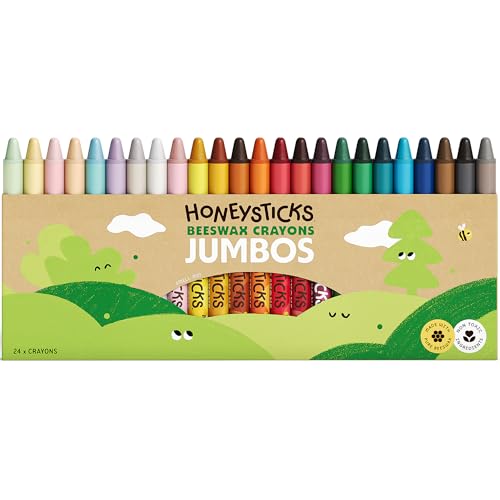 Honeysticks Jumbo Crayons
Honeysticks Jumbo Crayons are a great first crayon for toddlers and preschoolers because they’re chunky, easy to hold, and harder to snap than skinny crayons. They’re made with 100% pure New Zealand beeswax and food-grade colors, so they’re a much cleaner pick for little kids who are still learning not to taste-test everything in the art bin. They also have that faint honey smell, which is very cute and much better than the weird waxy crayon smell.
 FILANA Organic Beeswax Stick Crayons
FILANA crayons are a beautiful upgrade if you want beeswax crayons without paraffin or petroleum waxes. They’re handmade in the U.S. with organic beeswax and natural, non-toxic ingredients, and the colors glide on really smoothly. These are pricier than standard crayons, but they’re a lovely pick for families who want a more natural art supply that still feels rich and vibrant on paper.
Non-Toxic Markers
Markers are a little trickier than crayons because some contain solvents, fragrances, or inks I’d rather not hand to little kids for everyday coloring. For school and preschool use, I look for washable, water-based markers labeled non-toxic, and I skip permanent markers, industrial markers, and anything scented. The fruit-scented stuff is cute in theory, but fragrance can hide a whole bunch of undisclosed ingredients, and we do not need blueberry-scented mystery chemicals in the art bin.
 Faber-Castell Little Creatives Extra Jumbo Ultra Washable Markers
The Faber-Castell Toddler Markers are a sweet pick for younger kids who are still learning how to color without turning themselves into the artwork. They’re non-toxic, water-based, and made with food dyes, with a chunkier design that’s easier for little hands to grip. I use these for toddlers and preschoolers before moving up to regular marker sets.
 Faber-Castell Jumbo Broad Line Markers
The Faber-Castell Jumbo Broadline Markers are my top marker pick for younger kids because they’re non-toxic, water-based, and made with food-grade dyes. The thicker barrels are easier for little hands to hold, and the broad tips are great for preschool, kindergarten, and everyday coloring. They may still stain some fabrics, so I’d treat them like real markers, not “let’s color on the couch” markers.
 edding 24 Ecoline Highlighter Set, 4-Colors
The edding 24 EcoLine highlighters are a better pick for older students who need to mark up notes, planners, or study guides. They use water-based ink, are refillable, and are made with a high percentage of recycled or renewable materials, so they’re less wasteful than the usual disposable highlighters. I’d choose these over scented or novelty highlighters, especially for kids who are sensitive to strong smells.
Non-Toxic Colored Pencils
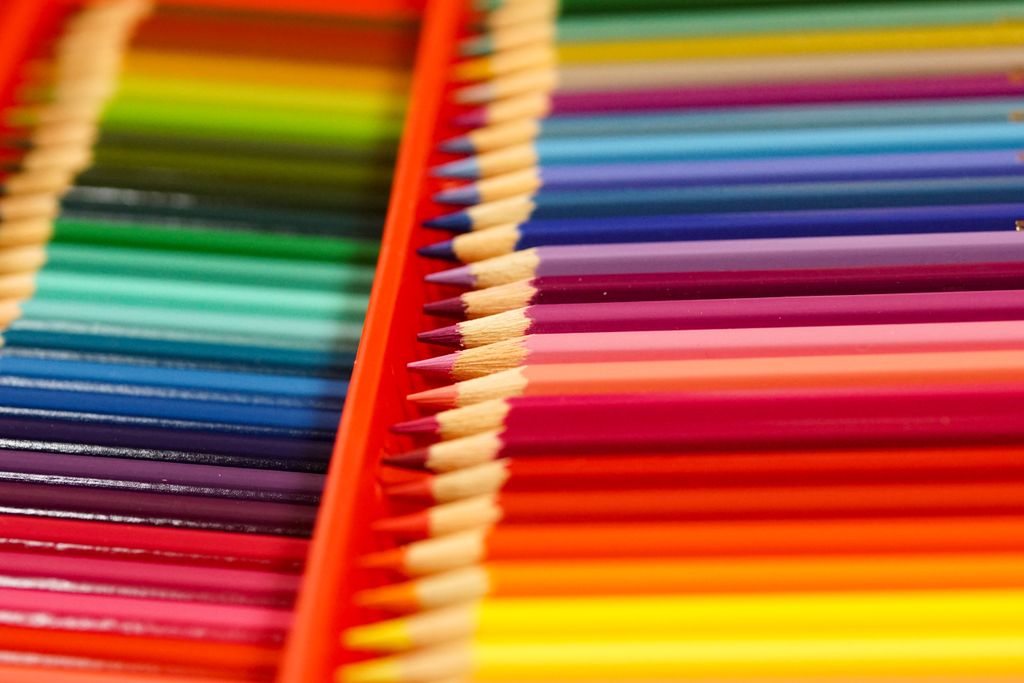
Colored pencils are usually one of the lower-concern school supplies, but I still like to avoid glossy coatings, mystery paints, and bargain-bin sets that don’t clearly say they’re non-toxic. For younger kids, I look for unlacquered wood, non-toxic cores, and sturdy shapes that are easy to grip. Bonus points for brands that skip unnecessary coatings or use safer, more sustainable materials.
 Lyra Waldorf Selection Giant Triangular Colored Pencil
The LYRA Waldorf Selection pencils are my favorite colored pencil option for younger kids. They’re made from unlacquered natural wood, so there’s no glossy coating to worry about, and the thick 6.25 mm cores give bright color without snapping as easily. The chunky triangular shape is easier for little hands to grip, making them a great pick for preschool, kindergarten, and early elementary art time.
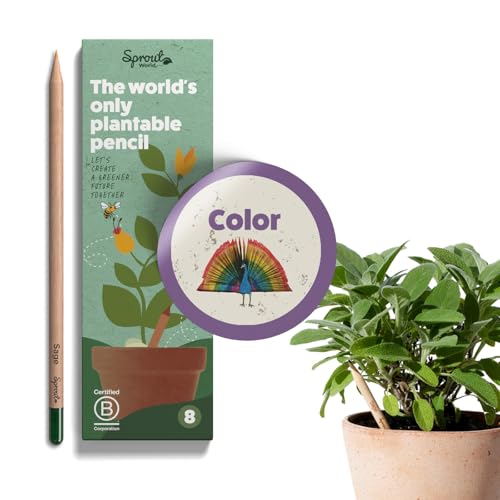 SproutWorld Plantable Colored Pencils
SproutWorld pencils are a fun low-waste option because kids can actually plant them when they get too short to use. They’re made from responsibly sourced materials, use non-toxic cores, and are EN71-3 certified for toy safety, including testing for heavy metals. I like these more for older kids who will appreciate the plantable seed capsule and not immediately lose all eight pencils in the couch. Tiny gardeners, yes. Tiny chaos goblins, maybe supervise.
They also make regular pencils as well!
Non-Toxic Paints
For kids’ paint, I stick with water-based, washable products made specifically for children. Adult-grade paints can contain solvents, heavy metals, or stronger pigments that are not meant for little hands, so this is one category where the label matters. Look for terms like non-toxic, AP certified, or conforms to ASTM D-4236, and skip anything with vague ingredients or strong chemical smells.
 Honeysticks Non-Toxic Watercolor Paint Set
The Honeysticks Non-Toxic Watercolor Paint Set is a sweet, lower-tox option for toddlers and younger kids who love painting. It includes eight bright colors made with natural, food-grade ingredients, plus a brush, so it’s easy to add to a preschool or early elementary art stash. I still wouldn’t call any paint “snack safe,” because toddlers are talented little chaos artists, but this is a much better pick than random bargain-bin paints with mystery ingredients.
With art supplies, I try to choose brands that clearly label their products as non-toxic and use simpler materials when possible. If your child tends to decorate themselves as much as the paper, safer paints make the whole project feel a lot less stressful.
School Glue & Adhesives (Stick with Non-Toxic Options)
Glue is one of the more common back-to-school supplies, especially for preschool and elementary kids. Most basic school glues are labeled non-toxic, but I still prefer to avoid scented glue sticks, glitter glue, and mystery formulas when possible. Fragrance is a big one to skip here, because scented school supplies can add unnecessary undisclosed ingredients to something kids use with their hands all day.
For a cleaner option, I like plant-based glue when it’s available. It’s still practical for paper crafts, worksheets, and everyday classroom use, but usually feels like a better fit for a non-toxic school supply list than the super bright, scented, novelty versions.
 UHU Stic Glue Stick
The UHU Stic Glue Stick is my practical pick for school glue now that the plant-based Onyx and Green option is harder to find. It’s labeled non-toxic, washable, and solvent-free, so it checks the most important boxes for everyday paper crafts and classroom projects. I’d still skip scented glue sticks, glitter glue, and novelty formulas, but this is a solid, easy-to-find option for back-to-school lists.
 UHU Twist & Glue RENATURE
The UHU Twist & Glue ReNATURE is my pick for liquid school glue because it’s solvent-free, washable, and water-soluble, with a bottle made from mostly plant-based plastic. I’d use this for paper crafts, cardboard projects, and general classroom glue needs when a glue stick isn’t enough. It is still a liquid glue, so I’d save it for older preschoolers and elementary kids who can handle the squeeze bottle without creating a crime scene at the kitchen table. UHU lists the formula as dextrine-based, clear, washable, and solvent-free. The ReNATURE bottle is made from 88% plant-based raw materials.
If you do stick with classic Elmer’s glue, choose the plain white version without any added scents or colors. Elmer’s School Glue is generally regarded as low-tox (it’s been used for decades in classrooms). Just avoid the trendy “scented” glue sticks, since those have added fragrances which could hide phthalates or allergens. Glue sticks that smell like cupcakes or fruit are fun, but that fragrance is not regulated and could contain harmful chemicals – best to skip.
Overall, standard school glue is one of the lesser toxic items in the grand scheme (it’s formulated to be kid-safe). But opting for a plant-based version is even better – it’s gentler for kids and more eco-friendly. Plus, many schools are focusing on non-toxic school supplies nowadays, so your choice might inspire others to swap too!
More Back-to-School Guides
Sustainable Notebooks, Paper & Binders
Paper products are a huge part of school supplies – notebooks, loose-leaf paper, binders, folders, index cards, etc. While paper itself isn’t poisonous, there are still a few considerations to keep things non-toxic and earth-friendly.
Tree-Free Notebooks & Paper
Paper products are one of the easier back-to-school swaps because you don’t have to overthink them. Instead of buying the cheapest bleached paper notebooks every year, look for options made from tree-free fibers like sugarcane bagasse, which uses leftover sugarcane fiber that would otherwise go to waste.
I especially like sugarcane paper for school because it keeps the focus simple: fewer trees used, less waste, and no plasticky coatings or mystery materials. It’s not always as easy to find as regular notebook paper, but when you can find sugarcane notebooks or printer paper, they’re a great low-tox, eco-friendly upgrade.
For regular notebooks, you can also look for labels like FSC-certified, tree-free, sugarcane-based, or bagasse paper. I’d skip plastic covers, glossy coatings, and heavily scented novelty notebooks, because apparently even paper can’t just be normal anymore.
 LEDESMA NAT Spiral Lined Notepad
The LEDESMA NAT Sugarcane Spiral Notebook is my pick for an eco-friendlier school notebook if you want something simple, practical, and a little better than conventional paper. It’s made from sugarcane-based paper instead of standard tree paper, which I love as a lower-waste option for everyday schoolwork, note-taking, and homework. The pages are lined and perforated, so they still have that familiar classroom feel, and the five-pack is nice if you need multiple notebooks for different subjects. If you’re trying to make back-to-school shopping a little more thoughtful without making it complicated or expensive, this is an easy swap I’d actually make.
 Ledesma NAT, Letter Size (8.5"x11") Natural Sugarcane Pulp Printer Paper
Ledesma NAT Sugarcane Printer Paper is my pick for families who want a more thoughtful alternative to conventional bleached copy paper. It’s made from tree-free sugarcane pulp and comes in a natural tan color because it is unbleached and made without optical brighteners, whiteners, or added dyes. I’d use it for homework, printable worksheets, school reports, coloring pages, and everyday craft projects. The standard 8.5-by-11-inch sheets work with both inkjet and laser printers, and this three-ream pack includes 1,500 sheets, so it should last well beyond the first few weeks of school. The paper will not look bright white, but that is part of the appeal if you’re specifically searching for unbleached, tree-free printer paper for your back-to-school supplies.
If sugarcane or tree-free paper isn’t available, recycled paper notebooks are still a better choice than buying brand-new virgin paper every year. I just wouldn’t obsess over this category as much as lunch gear, water bottles, or backpacks.
Plastic-Free and PVC-Free Binders
Most conventional school binders are wrapped in vinyl, which can contain PVC and may give off that unmistakable “new binder” smell. For a lower-plastic option, I look for binders made with recycled cardboard, kraft paperboard, or clearly labeled PVC-free materials.
A sturdy cardboard three-ring binder works just like a standard binder but skips the glossy vinyl cover. They are also easy for kids to decorate with stickers, markers, or labels. When a fully plastic-free binder is not practical, a PVC-free polypropylene binder is the next-best option for durability.
 JAM PAPER Kraft 1 inch Binder
The JAM Paper Recycled Kraft 3-Ring Binder is my favorite lower-plastic alternative to the usual shiny vinyl school binder. The sturdy kraft cover is made from recycled material and has a simple, papery finish that kids can decorate with stickers, labels, or paint markers for each subject. Its 1-inch rings hold up to 175 sheets of standard letter-size paper, which is plenty for homework, class notes, and handouts without turning into an overstuffed brick in their backpack. I also like that it skips the glossy vinyl cover and clear plastic display pocket found on most school binders.
Plastic-Free Paper Folders
When I’m shopping for non-toxic school supplies, folders are one of the easiest places to cut back on unnecessary plastic. Instead of glossy poly folders, I look for sturdy paper pocket folders made from cardstock or paperboard. They still keep homework, worksheets, and classroom papers organized, but they avoid the flexible plastic covers found on many conventional school folders. Paper folders are not waterproof, so they may need replacing sooner, but they are affordable, easy to label, and available in different colors for organizing subjects.
 Oxford Two Pocket Folders
The Oxford Two-Pocket Paper Folders are my practical pick for families who need basic, plastic-free school folders without spending much. They are made from textured paper rather than flexible poly plastic, with two interior pockets that hold standard letter-size worksheets, homework, and class handouts. Each folder can hold up to 100 sheets, and the box includes 25 folders in five assorted colors, which makes it easy to assign a different color to each subject. The larger pack may be more than one student needs at the beginning of the year, but it is handy for multiple children, homeschooling, classroom supplies, or replacing the inevitable crushed folder halfway through the semester.
Eco-Friendly Pencils & Pens
Pencils are already one of the simpler back-to-school supplies, but I still prefer natural wood pencils from reputable brands over heavily painted novelty pencils. Choosing an unpainted pencil removes the decorative coating altogether, while sustainably sourced wood and minimal packaging can make the purchase a little more eco-friendly.
Pens are trickier because most are made almost entirely from plastic. Refillable pens, recycled-plastic pens, and pens with replaceable ink cartridges are usually the most practical lower-waste options. For younger students who mainly use pencils, though, switching to natural wood or plantable pencils is an easy place to start.
Wood Pencils (Unpainted or FSC-Certified)
For the safest option, you can buy unpainted pencils or those with a natural finish. For example, Ticonderoga EnviroStik #2 pencils have an unfinished natural wood barrel. No paint means no chance of heavy metals in the coating – plus they look elegant!
 Ticonderoga My First Short Triangular Wood-Cased Pencils
Ticonderoga My First Short Triangular Pencils are my pick for preschoolers, kindergarteners, and younger elementary students who are still learning how to hold a pencil comfortably. At 4.5 inches long, they are easier for small hands to control than a full-length pencil, while the oversized triangular barrel encourages a more natural pencil grip and keeps them from rolling off the desk every five seconds. They use thick #2 graphite that is less prone to breaking, along with a latex-free eraser for correcting early handwriting practice. The wood comes from responsibly sourced forests, and the pencils are PMA-certified non-toxic. These are painted rather than unfinished, so the EnviroStik pencils remain my favorite minimalist option, but I would choose this beginner-friendly shape for a child who needs a little extra help with pencil control.
 Ticonderoga Envirostik Wood-Cased Pencils, #2 HB Soft, Natural, 12 Count
Ticonderoga EnviroStik #2 Pencils are my top pick for everyday schoolwork because they have an unfinished natural wood barrel instead of the usual painted coating. They still have the familiar #2 HB graphite students need for writing, homework, tests, and standardized forms, but the simple wood finish makes them a nice option for families searching for unpainted or more natural school pencils. The 12-count box is enough for a pencil case without leaving you with a lifetime supply, although I would probably buy an extra pack because pencils seem to disappear at school with impressive speed.
If you prefer painted pencils, stick to trusted brands like Dixon Ticonderoga (the classic), as they’ve been tested and adhere to safety standards (they are certified non-toxic as well). Also look for the FSC logo, indicating the wood was sustainably harvested.
 SproutWorld Pencils Mindful Thoughts Edition, 8 Pack with Plantable Seeds
SproutWorld Plantable Pencils are the most fun eco-friendly pencil option I found for older kids, teachers, and anyone who loves a school supply with a second life. Each wooden pencil has a seed capsule at the end instead of a traditional eraser, so once the pencil becomes too short to use, it can be planted in soil to grow flowers, herbs, or vegetables. The pencils arrive pre-sharpened and use standard HB graphite, making them suitable for writing, drawing, and everyday classwork. They cost more than ordinary #2 pencils, so I would not use them as the main classroom pencil for a child who loses three before lunch. Still, they make a thoughtful back-to-school gift, teacher gift, or special addition to an eco-friendly school supply kit.
Refillable Stainless Steel Mechanical Pencils
For older kids who prefer mechanical pencils, I look for a refillable option that will not need to be replaced every few weeks. Most mechanical pencils are made almost entirely from disposable plastic, but a stainless steel barrel can make one pencil sturdy enough to last through multiple school years. It is not necessarily completely plastic-free, since the internal mechanism may still contain plastic components, but it is a practical lower-waste alternative when paired with refillable lead.
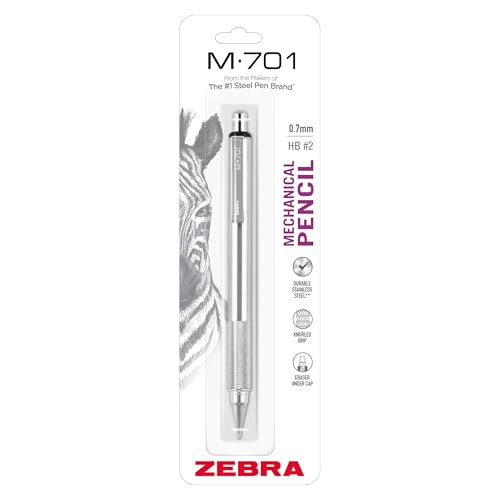 Zebra Pen, M-701 Mechanical Pencil1)
The Zebra M-701 is my pick for tweens, teens, and college students who are ready for a more durable mechanical pencil. It has a stainless steel tip, barrel, and clip, plus a textured metal grip that gives kids better control while writing, sketching, or working through math problems. The 0.7 mm lead is thick enough for everyday schoolwork without snapping quite as easily as finer lead, and both the lead and hidden eraser can be replaced as they run out. This pencil is heavier and more expensive than the typical plastic multipack, so I would not send it with a younger child who misplaces every pencil by lunchtime. For an older student who keeps track of their supplies, though, it is a smart refillable option that can survive being tossed into an overstuffed backpack. I would describe it as a lower-plastic mechanical pencil rather than completely plastic-free, but the durable stainless steel construction makes it one of the best long-lasting alternatives I found.
Refillable Stainless Steel Pens
Pens are one of the harder school supplies to find in a truly plastic-free or fully disclosed version. Instead of making broad “non-toxic pen” claims, I focus on choosing a durable, refillable pen that replaces the disposable plastic pens students tend to go through all year.
A stainless steel ballpoint pen is especially practical for older students who can keep track of their supplies. The body may still contain a few plastic internal components, but replacing the ink cartridge instead of the entire pen makes it a much better low-waste option for school notes, essays, planners, and everyday writing.
 Zebra Pen F-701 Ballpoint Black Ink Fine Point 0.8mm Pen
The Zebra F-701 Stainless Steel Ballpoint Pens are my pick for teens, college students, and teachers who want something sturdier than a pack of disposable plastic pens. Each one has a durable stainless steel barrel, metal clip, and textured knurled grip that feels secure in your hand without adding a bulky rubber coating. The 0.8 mm fine point writes with black ballpoint ink, making it practical for class notes, planners, forms, and everyday schoolwork. This set comes with three pens and two extra ink refills, so you can replace the cartridge instead of tossing the entire pen when it runs dry. These are heavier and more expensive than basic plastic pens, but they are a smart choice for an older student who is likely to use them for several school years. I would describe them as durable, refillable, and lower-plastic rather than completely plastic-free or “non-toxic,” since Zebra does not provide a full ingredient disclosure for the ink or internal components.
Other Must-Haves: Erasers, Sharpeners, and Cleaning Supplies
Finally, let’s round up a few miscellaneous non-toxic school supplies that often appear on school lists:
PVC-Free and Natural Rubber Erasers
Erasers are easy to overlook, but many soft “vinyl” erasers are made from PVC. I prefer simple natural rubber or PVC-free erasers without added fragrance, glitter, or novelty coatings. Natural rubber can contain latex, so children with a latex allergy should use a clearly labeled latex-free alternative instead.
 KOH-I-Noor Small Elephant Soft Eraser
The Koh-I-Noor Elephant Eraser is a simple, old-school alternative to soft vinyl erasers. It is made with a natural rubber-based formula without added plastic materials or phthalates, and it works well for erasing everyday graphite pencil marks. I also like that it skips the scents, glitter, and toy-like extras found on so many kids’ erasers. It may contain natural latex, though, so this would not be my pick for a child with a latex allergy.
Low-Waste Pencil Sharpeners
Pencil sharpeners are a relatively low-concern school supply, so this is not a category I would overthink. I am not a big fan of seeking out aluminum products, but a basic, uncoated metal sharpener involves very little direct contact and can last much longer than a flimsy plastic one.
I look for a simple sharpener from a reputable brand without painted decorations, fragrances, or a bulky mystery-plastic case. An open metal sharpener will not catch the shavings, but it is one less plastic item to crack and replace during the school year.
 STAEDTLER Metal Double-Hole Pencil Sharpener
The Staedtler Double-Hole Sharpener is my practical pick for older kids who need one sharpener for both regular and jumbo pencils. Its compact metal body skips the plastic shavings container, while the two openings fit standard pencils up to 8.2 mm and thicker pencils up to 10.2 mm. It will need to be used over a trash can, but it is sturdy, uncomplicated, and small enough to keep in a pencil pouch.
Lower-Plastic Wooden Rulers
A wooden ruler is one of the easiest plastic-free school supply swaps. I prefer a sturdy wood ruler over flexible plastic versions, especially those made from soft vinyl or unidentified plastics. Look for a simple design with easy-to-read inch and metric markings, and skip rulers with rubbery coatings, glitter, or unnecessary decorations.
Keep in mind that many wooden rulers are sealed with lacquer rather than left completely unfinished. That is still a lower-plastic choice, but it is worth noting if you specifically want bare, untreated wood.
 Westcott Wood Ruler with Single Metal Edge
The Westcott Wood Ruler is a simple, affordable alternative to a flexible plastic ruler. It is made from hardwood with a lacquered finish and has a metal edge that helps protect the ruler from nicks during everyday school use. The 12-inch size and 1/16-inch markings work well for math, drawing, crafts, and homework. It is not unfinished wood, but it is a durable, lower-plastic ruler that should last much longer than the flimsy kind that bends or cracks in a backpack.
Safer Hand Sanitizer and Classroom Cleaning Wipes
Handwashing with soap and water is still my first choice, but some schools ask families to send hand sanitizer or surface wipes. For hand sanitizer, I look for an alcohol-based formula containing at least 60% ethanol, with a short ingredient list and no artificial fragrance, dyes, or unnecessary antibacterial additives. The CDC notes that alcohol-based sanitizers work against a wider range of germs than formulas made with benzalkonium chloride.
Cleaning wipes require a little more label-reading. A plant-based surface wipe can remove pencil marks, crumbs, and sticky messes, but it should not automatically be treated as a disinfectant. I also keep classroom cleaning wipes separate from anything used on hands or faces.
 Dr. Bronner’s – Organic Hand Sanitizer Spray
Dr. Bronner’s Organic Hand Sanitizer is an easy backpack-friendly option with just 62% organic ethyl alcohol, water, organic glycerin, and lavender essential oil. The spray bottle is convenient for older kids who can use it responsibly without covering their desk in sanitizer. It is not fragrance-free because it contains lavender oil, but I still prefer its short, clearly disclosed ingredient list to artificially fragranced formulas.
 Aunt Fannie's Natural Cleaning Vinegar Wipes
Aunt Fannie’s Cleaning Vinegar Wipes are made for wiping down desks, counters, and other hard surfaces using vinegar and plant-based cleansers. The wipes are biodegradable under normal municipal conditions and skip alcohol and artificial perfume. The eucalyptus version does contain essential oils, though, and these are cleaning wipes, not hand wipes or disinfecting wipes. I would use them for everyday classroom messes rather than illness-related disinfecting.
Eco-Friendly Tissues and Paper Products
Tissues are not a school supply I would stress over, but I do look for fragrance-free, lotion-free facial tissues without added dyes or inks. Choosing recycled or tree-free fibers can also reduce reliance on virgin wood pulp.
For classroom tissue boxes, bamboo-based options are a practical eco-friendly swap. Just note that “elemental chlorine-free” does not mean completely unbleached. It means the pulp was processed without elemental chlorine, which is a more accurate claim for the Caboo tissues below.
 Caboo Tree Free Facial Tissue Paper
Caboo Facial Tissues are the best compromise I found after realizing how poor the TCF facial tissue market still is. I wanted a genuinely unbleached or Totally Chlorine-Free tissue that was soft, practical, and made by a trustworthy brand, but most options were either rough, thin, or both. Caboo is not TCF, since it uses an elemental chlorine-free bleaching process, but the tissues are three-ply, fragrance-free, tree-free, and easy to find. Until a better TCF option exists, this is the classroom tissue I feel most comfortable recommending.
A Note on Fragrances in Supplies
Many school items (markers, pencils, even notebooks or erasers) now come in scented varieties. It’s best to avoid fragranced products for kids. Synthetic fragrance mixes can contain dozens of chemicals, including phthalates and allergens, and companies don’t have to disclose them.
So that fruity-smelling notebook or cupcake-scented marker could be exposing your child to hormone-disrupting chemicals without you realizing. Stick to fragrance-free non-toxic school supplies (from unscented tissues to neutral-smelling supplies). Your child’s school day doesn’t need to be a cloud of artificial perfume – and some classmates might have sensitivities or allergies to those scents as well.
Some Frequently Asked Questions
Healthy Kids, Healthier School Supplies
You do not need to replace every school supply at once. I would start with the items your child uses most often, especially their backpack, lunch box, water bottle, art supplies, and anything that touches food or skin.
From there, simple swaps like recycled paper notebooks, natural wood pencils, PVC-free binders, and refillable pens can help reduce unnecessary plastic, fragrance, and poorly disclosed materials. Many of these options are also sturdier than the cheapest conventional supplies, so they may last beyond a single school year.
This is also one area where “better” is more realistic than perfect. A product may use organic cotton but still have a polyester zipper, or be tree-free without being totally chlorine-free. I would rather choose the best practical option from a trustworthy brand than buy a product with impressive claims and questionable quality.
Most importantly, do not let a long school supply list make you feel like you need to panic-shop your way through every category. Focus on the highest-impact swaps, reuse what you already own when it is still in good condition, and fill in the rest as needed.
Jump back to my top non-toxic school supply picks.