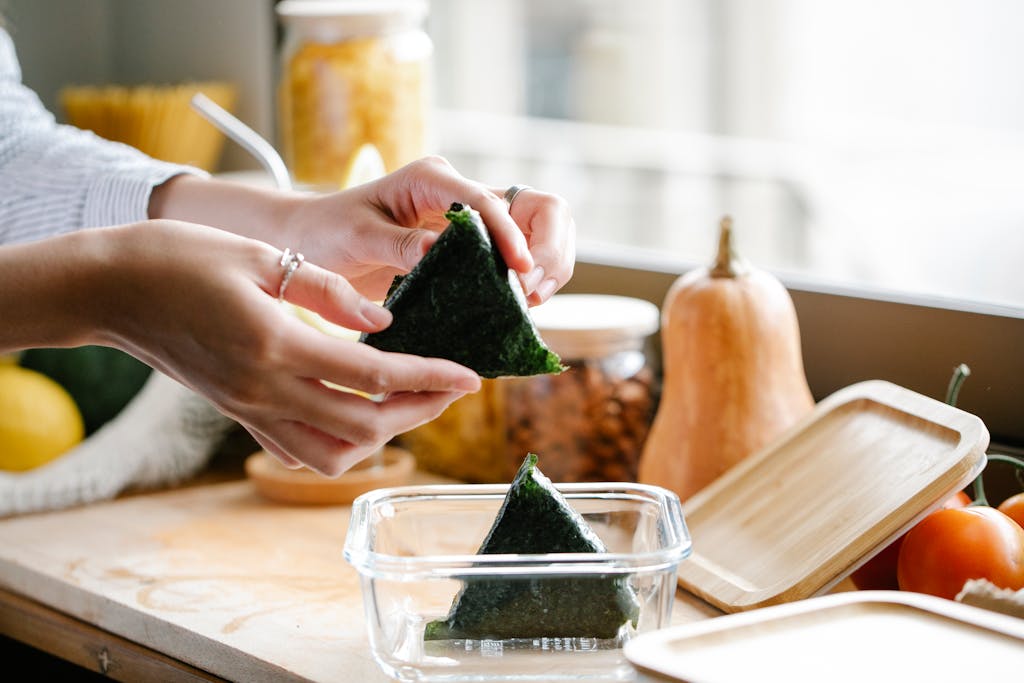
When I’m packing food for kids, or trying to keep my kitchen from becoming a drawer full of random lids, I want non-toxic snack containers that are easy to trust, easy to clean, and not built around mystery materials.
I built this guide around one simple standard. I want the clearest food-contact story possible, with the least amount of unnecessary plastic, and I want brands that actually tell me what they are selling.
My Quick Top Picks for the Safest Non-Toxic Snack Containers and Reusable Bags
| Pick | Material | Best for |
|---|---|---|
| PlanetBox Day Tripper Snack Container | Certified 91% recycled 304 stainless steel + LFGB silicone lid | Dips, fruit, crackers, and divided snacks |
| Anyday 2.5-Cup Square Dish | Borosilicate glass + glass/silicone/stainless lid | Home snacks and fridge storage |
| LunchBots Small Snack Packer | 18/8 stainless steel | Dry snacks for toddlers and kids |
| ECOlunchbox Splash Pod | 304 stainless steel + silicone lid | Wet snacks, yogurt, fruit |
| U-Konserve Round Nesting Trio | 18/8 stainless steel + silicone lids | Lunchbox sides and portioning |
| Stasher Snack Bag | Platinum silicone | Flexible leakproof snack bag |
| Zip Top Snack Bag / Cup | 100% platinum silicone | Easy snacking for little hands |
| Urban Green Stainless Steel Food Containers with Glass Lid | 304 stainless steel + glass/silicone lid | Wet snacks, dips, fruit, fridge snacks |
These were my cleanest picks after I vetted disclosures, food-contact materials, and care instructions.
If you want my shortest answer, it is this. I buy stainless steel for dry grab-and-go snacks, silicone for flexible leakproof bags, and plain glass for home use when I want to see what is inside.
Why Choosing Truly Non-Toxic Snack Containers and Reusable Bags Matters
My bar for this category is not perfection. My bar is lower material mystery, better disclosure, and fewer daily food-contact plastics when I can avoid them.
That approach lines up with the guidance from American Academy of Pediatrics, which advises families to avoid microwaving food in plastic when possible, avoid putting plastics in the dishwasher, and use alternatives like glass or stainless steel when they can.
I also do not treat “BPA-free” like a magic shield. The National Institute of Environmental Health Sciences notes that BPA can leach into food from some food-contact materials, and the research also flagged BPA substitutes such as BPS and BPF as a reason not to stop asking questions just because a label sounds reassuring.
For parents, this matters a little more, not less. The research I used specifically notes that children can be more vulnerable to some food-contact chemical exposures because of their size and eating patterns.
I am not trying to turn lunch packing into a panic spiral. I am trying to build a simpler system with fewer daily compromises.
The Toxic Chemicals Hiding in Popular Snack Containers and Reusable Bags
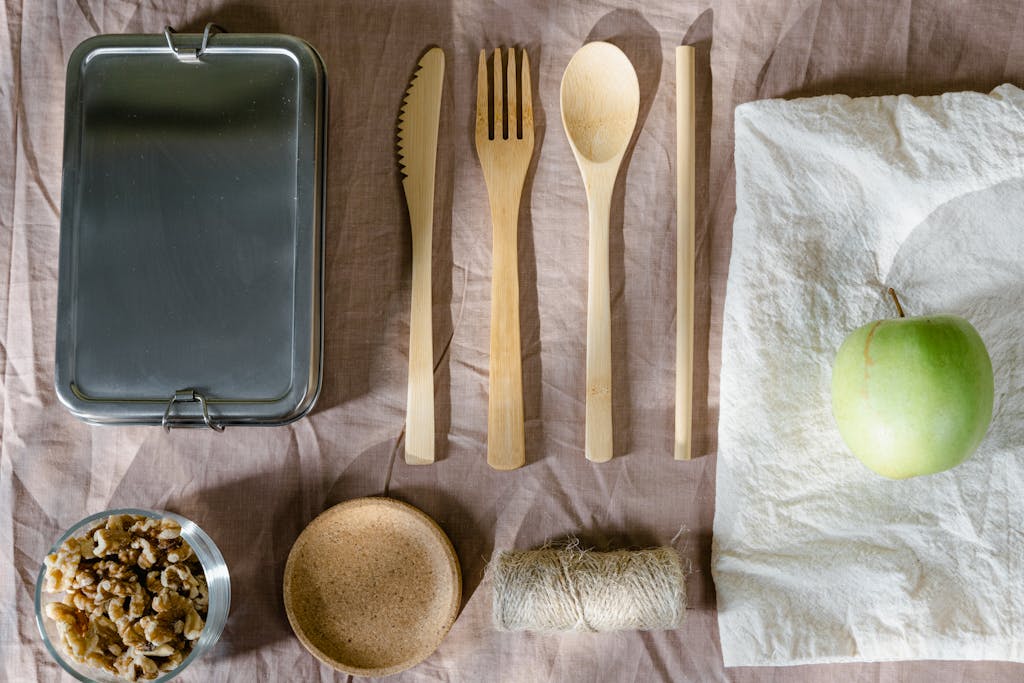
The big red flags I watch for are bisphenols, phthalates, and lead or cadmium concerns in certain decorated food wares.
To be clear, I am not saying every popular snack container is toxic in a dramatic movie-trailer sense. I am saying that vague materials, daily use, kid lunches, and heavy washing are enough reason for me to choose the cleaner setup when I can.
Are Stainless Steel, Silicone, and Glass Really Non-Toxic?
That caveat matters most for people who are very nickel-sensitive or for long contact with acidic foods. For everybody else, stainless is usually the cleanest, hardest-to-mess-up option for dry snacks and lunchbox packing.
That is why I like silicone best for snacks, freezer prep, and portable messy foods. I do not personally rank it above plain glass for repeated hot, oily, high-heat use.
If I had to sum it up in one sentence, it would be this. Plain glass wins at home, stainless steel wins in lunch bags, and well-disclosed silicone fills the leakproof gap better than mystery plastic.
How I Tested These Snack Containers and Reusable Bags for Safety
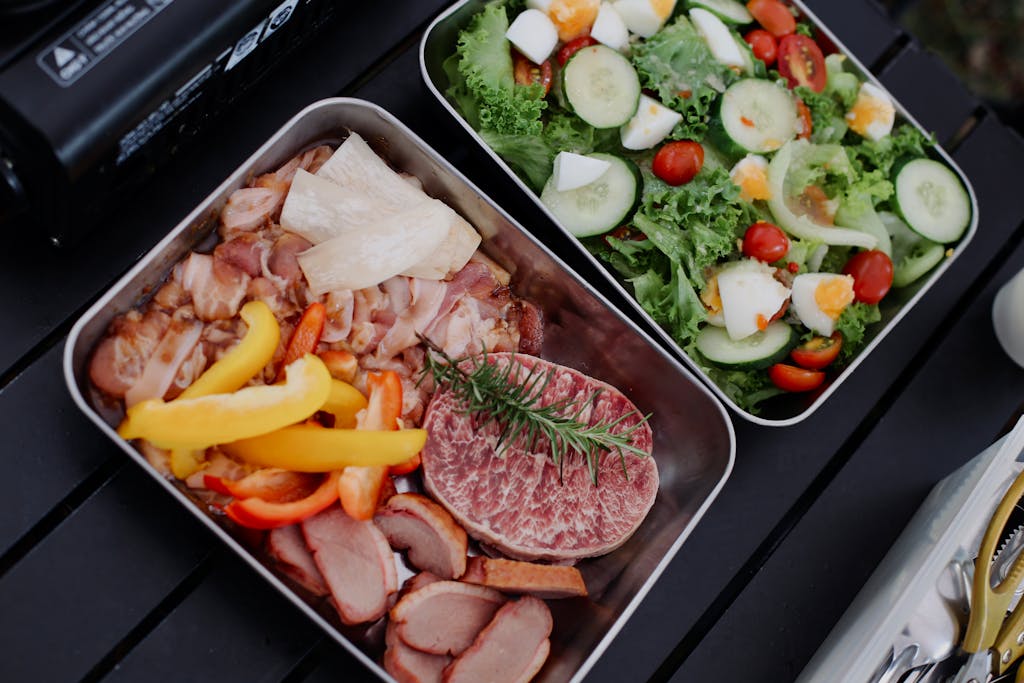
I checked the base material and every food-contact part, looked for exact disclosure like 18/8 stainless or platinum silicone instead of mushy “food-grade” wording and checked care limits. I also compared the Amazon listing to the brand’s own material story when possible, because mismatched specs are a fast way to lose my trust.
I downgraded anything that leaned on “BPA-free” without telling me the real material story. I made the same downgrade if the food-contact surface was coated textile, ordinary plastic, or a marketplace listing with almost no brand-level transparency.
My rating system is simple.
⭐ Cleanest means it meets my strict criteria with strong material disclosure and no food-contact plastic I need to make excuses for.
✅ Low-tox alternative means it is better than the conventional version, but not my strictest pick.
❌ Avoid means it fails my standard because the material is too vague, too plastic-heavy, or both.
⭐ The Best Non-Toxic Snack Containers and Reusable Bags Brands in 2026
Every product in this section met my strict criteria for safer food-contact materials, clear brand transparency, and real-life practicality.
I looked for simple materials like stainless steel, plain glass, and well-disclosed silicone, not vague “eco-friendly” claims or BPA-free marketing with nothing behind it.
These are the picks I actually feel good using in my own kitchen.
⭐ Anyday 2.5-Cup Square Dish
This is my top glass pick because the system is genuinely plastic-free. The brand says the dish is borosilicate glass and the lid is glass with food-grade silicone and stainless details.
For fridge snacks, leftovers, desk lunches, and visible meal prep, this is hard to beat. I would not send glass everywhere, especially if school rules are strict, but at home this is the cleanest glass setup I found with the least compromise.

Quick pros: fully plastic-free system, visible contents, strong disclosure.
Quick cons: heavy, not ideal for every lunch bag.
⭐ PlanetBox Day Tripper Snack Container
This is a great little snack container for kids who like “dip plus crunch” foods, like crackers and hummus, fruit and yogurt, or veggies and dressing.
PlanetBox lists the Day Tripper as made with certified 91% recycled 304 stainless steel and an LFGB silicone lid, which fits my preferred material standards for a stainless-forward, plastic-free snack container. It is also leakproof, dual-compartment, and top-rack dishwasher safe.
I’d choose this for wet snacks and snack pairings, not full meals. The only reason it is not a perfect all-steel pick is the silicone lid, but the material disclosure is strong enough for me to keep it in the cleanest tier.
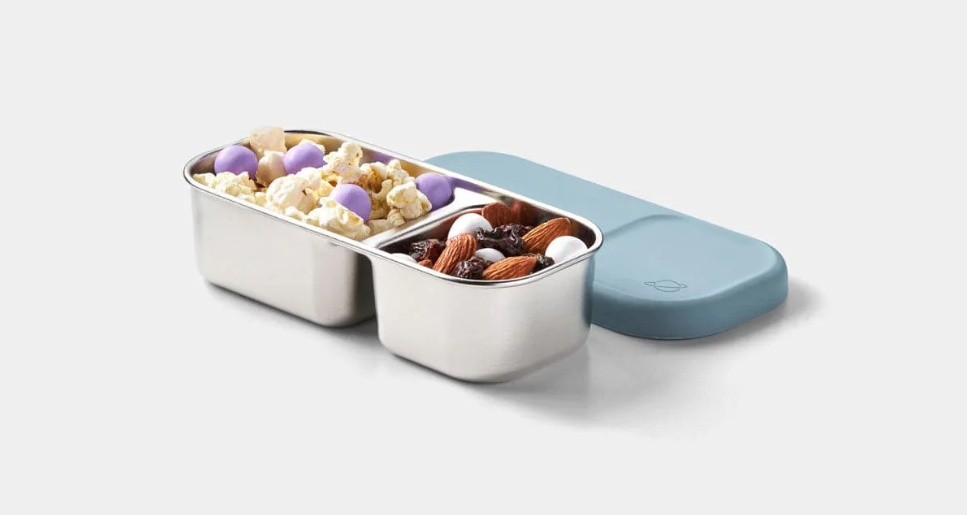
Quick pros: recycled 304 stainless steel, LFGB silicone lid, leakproof, divided design, compact size.
Quick cons: silicone lid touches food, small capacity, not microwave safe.
⭐ LunchBots Small Snack Packer
This is my favorite dry-snack container for little kids. The brand clearly discloses 18/8 food-grade stainless steel, and the all-steel design keeps the food-contact surface beautifully boring.
I use this for crackers, berries, cucumbers, cheese cubes, and all the little lunchbox bits that do not need a leakproof seal. It is not sold as leakproof, and that is exactly why it stays simple, sturdy, and very easy to clean.

Quick pros: all-steel food-contact surface, dishwasher safe, great for dry snacks.
Quick cons: not leakproof, no visibility into contents.
⭐ ECOlunchbox Splash Pod
When I want to pack yogurt or dips without sliding back into plastic, this is the one I grab first. The brand discloses a type 304 18/8 stainless body with a silicone lid, without BPA, BPS, phthalates, and other plastic toxins.
This is one of the rare products that gives me real leakproof utility without making me settle for a vague material story. It is not all-metal, because the lid is silicone, but the disclosure is strong and the use case is excellent.

Quick pros: leakproof, compact.
Quick cons: silicone lid means it is not a one-material system.
⭐ U-Konserve Round Nesting Trio
I love this set for parents who pack lots of little things. The mini sizes are genuinely useful, and the brand discloses 18/8 stainless steel with silicone lids.
These work beautifully for dips, berries, nuts, olives, shredded cheese, and little lunchbox sides that usually end up in flimsy plastic cups. The lids are easy for smaller hands.

Quick pros: portion-friendly, lunchbox-flexible.
Quick cons: silicone lids, pricier than generic minis.
⭐ Stasher Snack Bag
If I am buying a silicone snack bag, I want unusually clear disclosure. This is one of the better examples because the brand says it uses platinum food-grade silicone and clearly states the bag is free from BPA, BPS, lead, latex, and phthalates.
This is the bag I like for sliced fruit, trail mix, sandwiches, freezer snacks, or any packed food that benefits from flexibility. My only recurring complaint is the classic silicone-bag complaint: it takes more patience to dry than a wide-open stainless box.
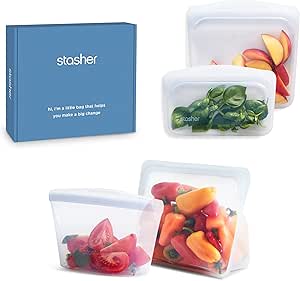
Quick pros: strong disclosure, leak-free, versatile.
Quick cons: drying is slower than with a rigid container.
⭐ Urban Green Stainless Steel Food Containers with Glass Lid
This is a great pick if you want a small plastic-free container that still lets you see what is inside. The listing discloses 304 stainless steel containers with glass lids and silicone framing, which gives it a stronger material story than stainless containers with plastic lids.
I’d use these for fruit, yogurt, dips, leftovers, and little fridge snacks. I would not lean on the “microwave safe” marketing, though, because stainless steel in the microwave is not something I want readers casually experimenting with.

Quick pros: 304 stainless steel body, glass/silicone lid, plastic-free design, leakproof, visible lid.
Quick cons: small 8 oz size, microwave claim needs caution.
⭐ Zip Top Snack Bag / Cup
This one wins points with me for being unusually specific about what it is. The brand says its products are made from 100% platinum silicone, and the one-piece construction means no separate lid, no tiny gasket, and no mystery seam glue.
I especially like this for younger kids because it stands open, stays open, and is easy to grab from. The tradeoff is storage bulk, because these do not fold down as slim as flatter bags.

Quick pros: one-piece design, wide opening, strong disclosure.
Quick cons: bulkier when stored.
⭐ LunchBots Medium Uno
This is the pick I like when the snack becomes “basically lunch.” It uses the same 18/8 food-grade stainless steel, but with more room for a sandwich, wrap, or larger portion.
I would choose this over a leaky plastic sandwich box every day of the week for dry foods. It is not leakproof, but that is also why it stays simple and easy to clean.

Quick pros: roomy, all-steel, durable.
Quick cons: dry foods only, not transparent.
✅ Iffy Brands Look Eco, But Don’t Fully Pass the Test
These are the products I’d call better than conventional, but not clean enough for my top tier.
Some use less plastic, some reduce waste, and some are genuinely practical. They just have one detail I can’t ignore, like a plastic lid, coated fabric, PEVA, or less complete material disclosure.
✅ Pyrex Simply Store
I still think this is a solid budget glass option. The catch is the lid, because the glass base is great but the lid is BPA-free plastic, which keeps it out of my strictest tier.
✅ OXO Tot Silicone Reusable Bags
These are a real upgrade from disposable bags, and I like the seamless design. I rank them below my favorite silicone picks because the disclosure is decent, not elite, and the material story does not feel as complete as the top platinum-silicone brands.
✅ (re)zip Stand-Up Snack Bags
I appreciate that the brand clearly says PEVA instead of hiding it behind fluffier language. PEVA is still a plastic food-contact bag, though, so I treat this as a waste-reduction option, not a strict non-toxic winner.
✅ Bumkins Reusable Snack Bags
These are popular for good reasons, and the disclosure is stronger than a lot of fabric-bag alternatives. My hesitation is the system itself, because polyester with embedded TPU is not where I land when I am building the cleanest possible food-contact setup.
✅ Munchkin Snack+ Stainless Steel Snack Catcher
I like the stainless base and the self-feed design. I downgrade it because the top assembly is more mixed-material and more toddler-product than long-haul kitchen staple, even though the brand does disclose a stainless base and silicone flaps.
❌ Toxic Snack Containers and Reusable Bags Brands to Avoid
In this section, “avoid” means these fail my strict standard. I am talking about material transparency and daily food-contact confidence, not making a dramatic medical claim about every item in someone’s cabinet.
❌ FoodVacBags and similar marketplace-only PEVA multipacks
These are cheap, but they are still plastic food-contact bags and usually do not give me much brand-level evidence beyond marketplace copy. If I can choose clearly disclosed stainless, glass, or better silicone instead, I do.
❌ Emptycolor and similar marketplace-only silicone multipacks
A listing that says “BPA-free silicone” without giving me a trustworthy brand site, cure details, or a fuller compliance story does not get a pass from me. That is not enough transparency for a category that touches food every day.
❌ Any decorated food container with unclear compliance
This matters most with glass or ceramic. If the food-contact area is painted, metallic, heavily decorated, or sold more like novelty drinkware than serious food storage, I leave it alone.
Smart Non-Toxic Snack Containers and Reusable Bags Hacks That Actually Work
Some frequently asked Questions About Non-Toxic Snack Containers and Reusable Bags
Non-Toxic Snack Containers and Reusable Bags = Less Plastic and Less Guesswork
A good snack container should make life easier, not add another label to decode.
For me, the simplest system is stainless steel for everyday packed snacks, silicone for flexible leakproof storage, and glass for home use when I want to see what’s inside.
It is not about replacing everything overnight.
It is about choosing better materials when the old plastic bags, cracked lids, and mystery containers finally need to go.
You may also find these Posts helpful
find your next kitchen swap
References
I used these sources to check the bigger safety claims in this guide, especially around food-contact plastics, BPA, phthalates, silicone, stainless steel, and lead in food ware. I also used brand material pages and product listings to verify each product’s food-contact materials before recommending it.
- American Academy of Pediatrics, Food Additives and Child Health
Used for guidance on children’s exposure to food-contact additives and the recommendation to use glass or stainless steel when possible. - American Academy of Pediatrics, Food Safety and Children
Used for practical advice on avoiding microwaving food in plastic and avoiding plastic food containers in the dishwasher. - National Institute of Environmental Health Sciences, Bisphenol A
Used for background on BPA and how it can move from some food-contact materials into food. - HealthyChildren, Are Food Additives Safe for Kids?
Used for parent-friendly context on why children may be more vulnerable to certain food-contact chemical exposures. - U.S. Food and Drug Administration, Phthalates in Food Packaging and Food Contact Applications
Used for current FDA information on phthalates in food packaging and food-contact materials. - U.S. Food and Drug Administration, Lead in Food and Foodwares
Used for guidance on lead concerns in foodware, especially ceramic and decorated food-contact items. - European Food Safety Authority, Update of the Risk Assessment of Nickel in Food and Drinking Water
Used for context on nickel exposure and why I include a small stainless steel caveat for nickel-sensitive readers. - Peer-reviewed review on BPA substitutes BPS and BPF
Used to support the point that “BPA-free” does not automatically mean a plastic is my safest choice. - Silicone food-contact migration study
Used for caution around silicone migration under certain food-contact conditions. - Silicone bakeware migration study
Used to explain why I like silicone more for snacks and storage than repeated high-heat, oily use.