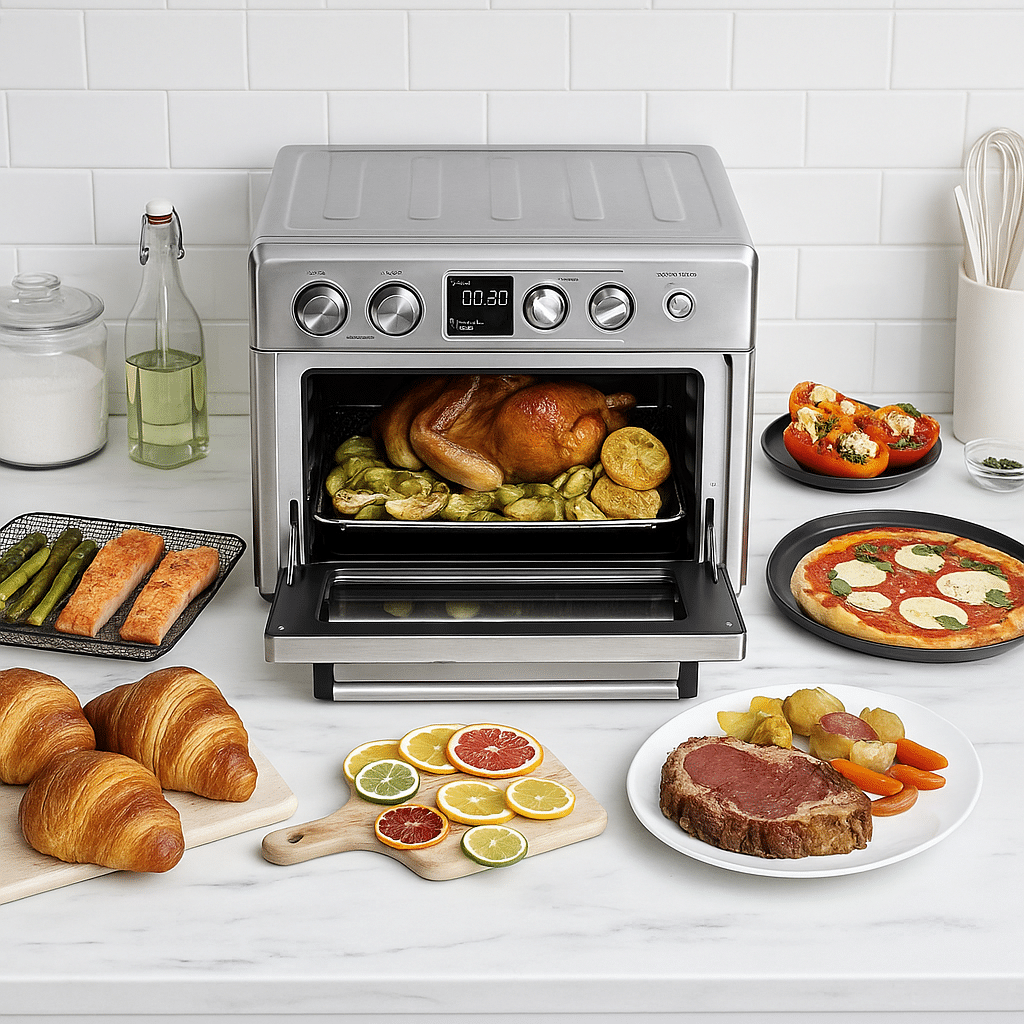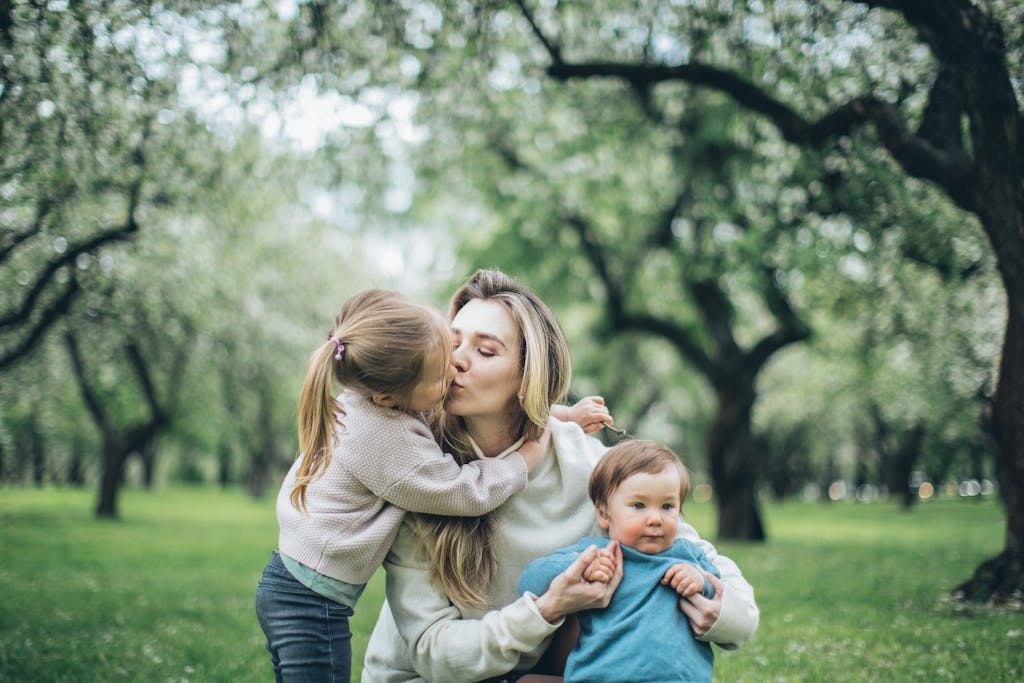
When a toddler already has a toy box that won’t close, the best gifts often skip the toy aisle entirely. A morning at the aquarium, ingredients for something you’ll bake together, or a library trip where they get to pick the same truck book again can feel like a very big deal to a very small person.
If you want something to wrap, I’d start with what this particular child already does. Does she drag a spoon over every surface to hear the sound? Does he spend the entire beach trip digging one hole? Below are twelve ideas, including six things I’d actually wrap. The others give the family something to look forward to without asking them to find another square foot of storage.
What would this toddler use tomorrow?
If you’re shopping for a birthday or holiday and need a shortlist, start with what the family usually does on a Saturday or after daycare. The right gift for a child who collects rocks at the park will look quite different from the right gift for a child who wants to stir whatever you’re cooking.
Experience gifts, memberships, classes, and tickets
Experience gifts solve the clutter problem outright because there’s nothing to unwrap that ends up in a bin six weeks later. I’d put the adult’s ticket in the envelope, too. A free ticket for a two-year-old is a lovely thought until their parent has to spend money to use it.
1. A museum morning, with the grown-up included
A children’s museum or zoo membership makes sense for a family who will go back. Toddlers are beautifully predictable about this. On the fifth aquarium visit, they might march straight past an entire room of exhibits to see the same starfish. With a pass, nobody has to make a day of it to get their money’s worth.
Matching the experience to the family matters more than picking the fanciest option. A toddler who melts down at loud, crowded events is a poor fit for a stadium show, no matter how highly reviewed it is. Ask what the family already does on weekends. If they’re regulars at the local park, a membership to a nearby children’s garden or nature center probably gets more use than a one-time ticket to something an hour away.
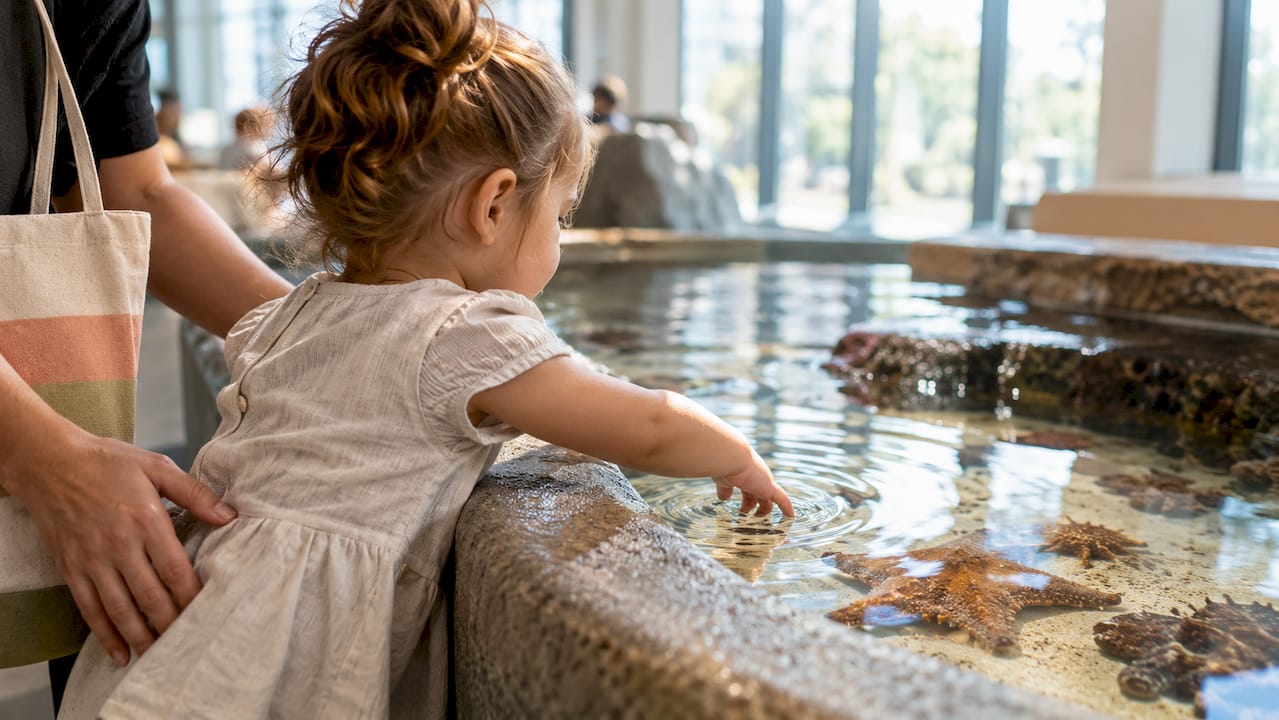
Before you buy a membership, look up what this family would pay for one visit. Here on Oʻahu, for instance, Waikīkī Aquarium admits kids age three and under free. For that family, the useful gift may be the adult admission. At a venue that charges for both, add up what they’d actually spend together. If that admission is $20 and the membership is $80, four visits break even. Count parking or guest fees separately. If they’d go once or twice, two paid mornings with you are the better gift.
2. One parent-and-toddler class on a day that works
Music, movement, a swim session, or tickets to a short puppet show can all work. Ask when the toddler naps and who’s going with them. A Saturday class the parent can walk to may be a treat. An eight-week class across town at naptime is a scheduling project disguised as a present.
Logistics matter just as much as the idea itself. A quick check before paying can save the parent a surprising amount of work.
Consumables and craft supplies that get used up
A consumable is a good gift when the family already likes the activity. If they bake every Sunday, ingredients are easy to use. If nobody has time to scrub paint off the bathroom grout, a basket of bath paints is going to live under the sink for a very long time.
3. A baking date, with ingredients and cleanup included
Choose one familiar recipe and give the toddler one real job. They can tip premeasured oats into a bowl, mash a ripe banana with a fork, or press a cutter into a slice of bread. Use the family’s own bowl and spoon. A child who gets to stir with the grown-up whisk usually doesn’t miss the miniature baking set.
Ask about food allergies first and keep the ingredient labels with anything you bring. If the little helper likes to taste as they go, choose a ready-to-eat activity like spreading a familiar topping on toast. Save cookie dough made with raw flour or raw eggs for baking. If the family is short on space, take the mixing bowl home, wipe the counter, and leave them the finished treat.
4. A refill for the crayon drawer
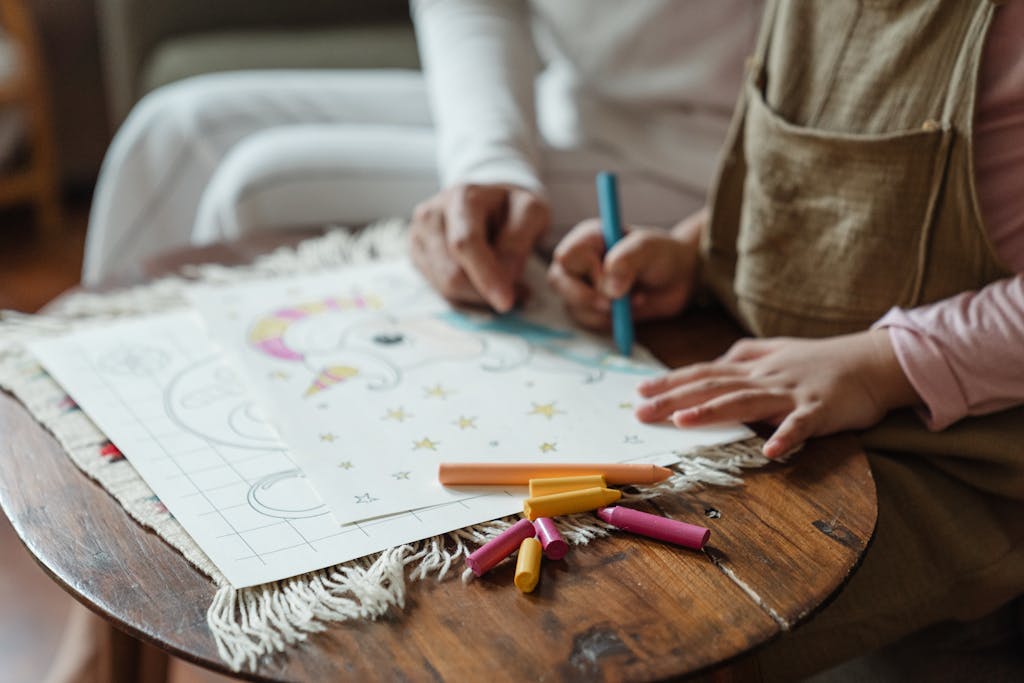
For a toddler just starting to scribble, I like Honeysticks Originals with My First Coloring Book. The crayons are short and thick enough for a whole-hand grip. Honeysticks identifies the wax as beeswax and the colorants as food-grade pigments. The slight honey smell comes from the wax. I prefer that to a crayon with added perfume, especially when those little hands go straight from the page to snack time.
The bundle makes sense if they need paper, too. If they already have a stack of coloring books, ask which supply runs out first and refill just that. Put two or three colors on the table with the blank back of a paper bag. You can trace their hand and let them color the fingernails. The other colors can wait for tomorrow. The maker rates the Originals for ages one and up. I’d still sit with a child who mouths crayons and take broken nubs out of the box.
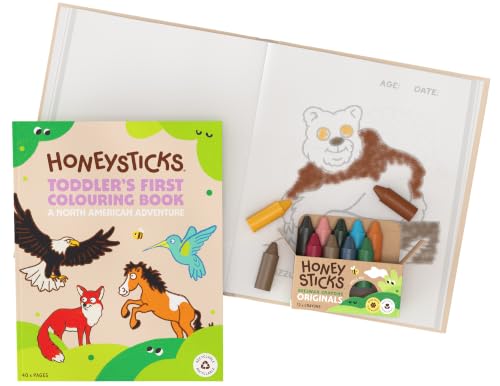
- Short, thick beeswax crayons are easy to grip
- Includes a coloring book that stores flat
- The round crayons can roll off the table
Books and reading gifts for a crowded shelf
5. A standing library date with their favorite grown-up
Books earn their space through repeat reads. A two-year-old obsessed with trucks may choose the same truck book fifty times before touching an award-winning story about something abstract. If that sounds familiar, give them visiting privileges to a much bigger bookshelf.
Pick a regular morning together. Let the child choose one book themselves, then pick one book you can both act out. You can whisper the words for a sleeping animal, find the same red truck on the next page, or let the toddler tell the story from the pictures. If story time is packed or starts halfway through their nap, the children’s section works perfectly well on an ordinary afternoon.
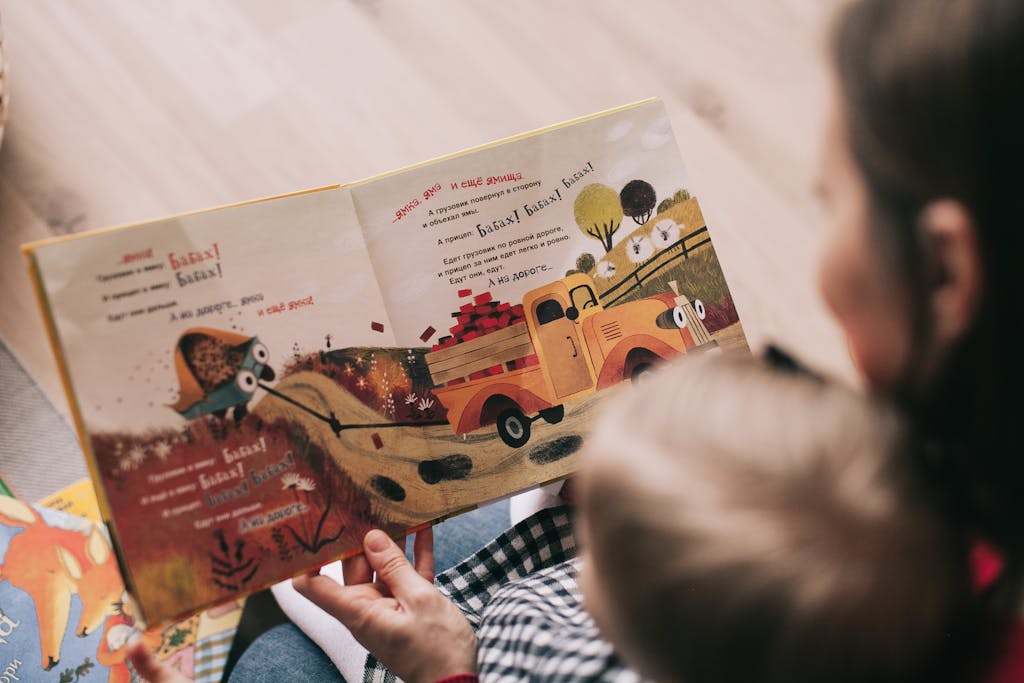
A few formats work particularly well for this age group.
The part that makes this a gift for the adult, too, is handling the return trip. Keep the borrowed books in the bag you already take out of the house and set the reminder on your own phone.
Open-ended gifts that work with the toys they own
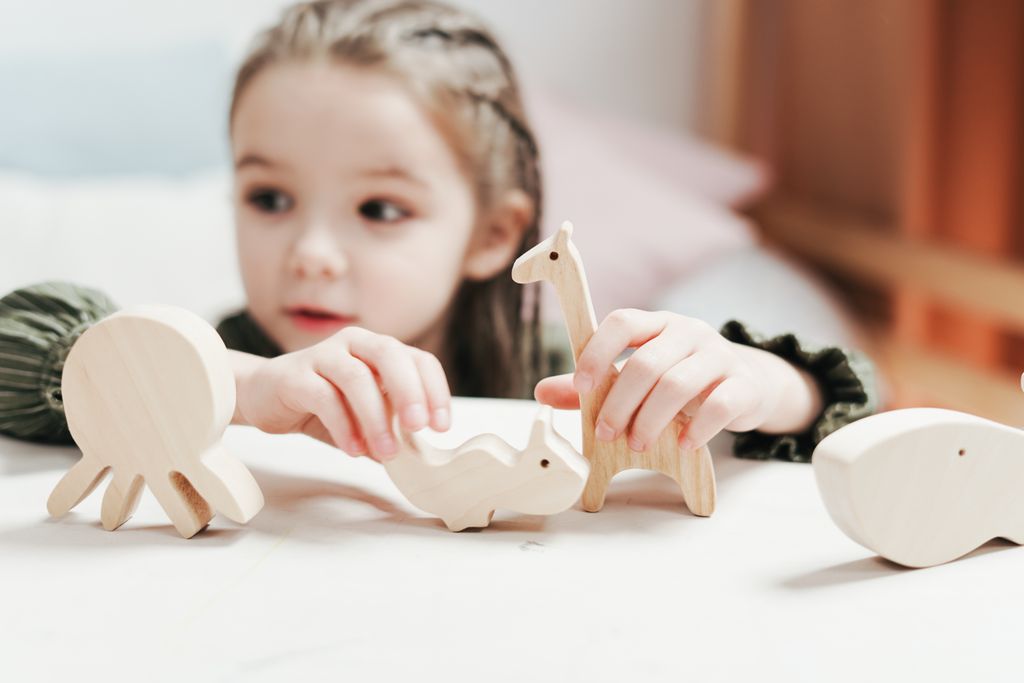
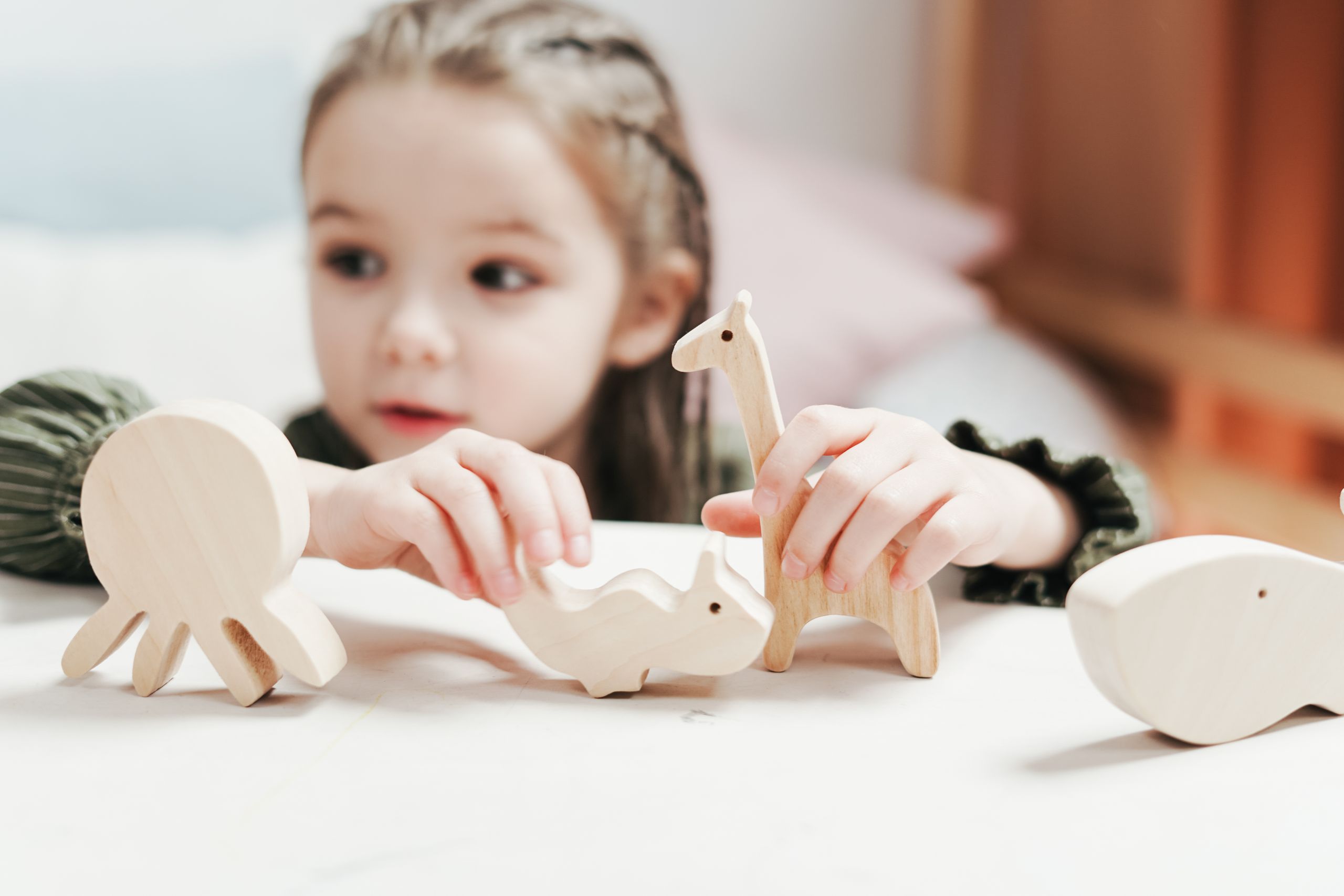
Open-ended supplies earn their keep because they don’t have a single correct use. Before buying anything for pretend play, look at what’s already on the floor. A child with a basket of animals can use a river for the animals to cross. They probably have enough animals.
6. One play silk for the animals, dolls, or blocks they already have
A blue Bella Luna Toys Classic Rainbow Play Silk can be a pond for wooden ducks in the morning and a doll blanket that afternoon. It’s a 35-inch square of mulberry silk that folds down into the doll basket. Bella Luna specifies the fiber and describes its dyes as heavy-metal-free. That tells me more than a dress-up set whose label just says “fabric.” I’d buy one color that fits the child’s favorite game.
The trade-off is laundry. This one needs a gentle hand wash and air-drying. If that sounds like one chore too many, pull a clean cloth napkin from the drawer and see whether their animals need a picnic blanket. For little ones, lay the silk on the floor and play together. Keep it loose, away from the neck, and out of the crib.

- Lightweight silk for open-ended play
- Available by color
- Gentle washing takes a little extra care
- One color is sold separately from the full set
7. One small drum for the child who makes music on everything
If the family is already singing at home, the PlanToys Solid Drum gives the child a part in the song. It’s about six inches across and comes with one rubber-tipped mallet. PlanToys rates it for 18 months and up. The maker specifies rubberwood, formaldehyde-free glue, and water-based color. There’s no battery compartment to manage, and the drum and mallet can share one spot on a shelf.
Try tapping twice, handing over the mallet, and waiting for an answer. It’s an easy game for a grandparent to play on a video call, too. The rubber tip softens the strike, but this is still a drum. If the parents wince at the idea, give them the music outing instead. You can play the very same echo game by patting your knees.

- Solid wooden drum
- Includes a rubber-tipped mallet
- Still makes noise, even with the soft tip
- Check the maker’s age recommendation
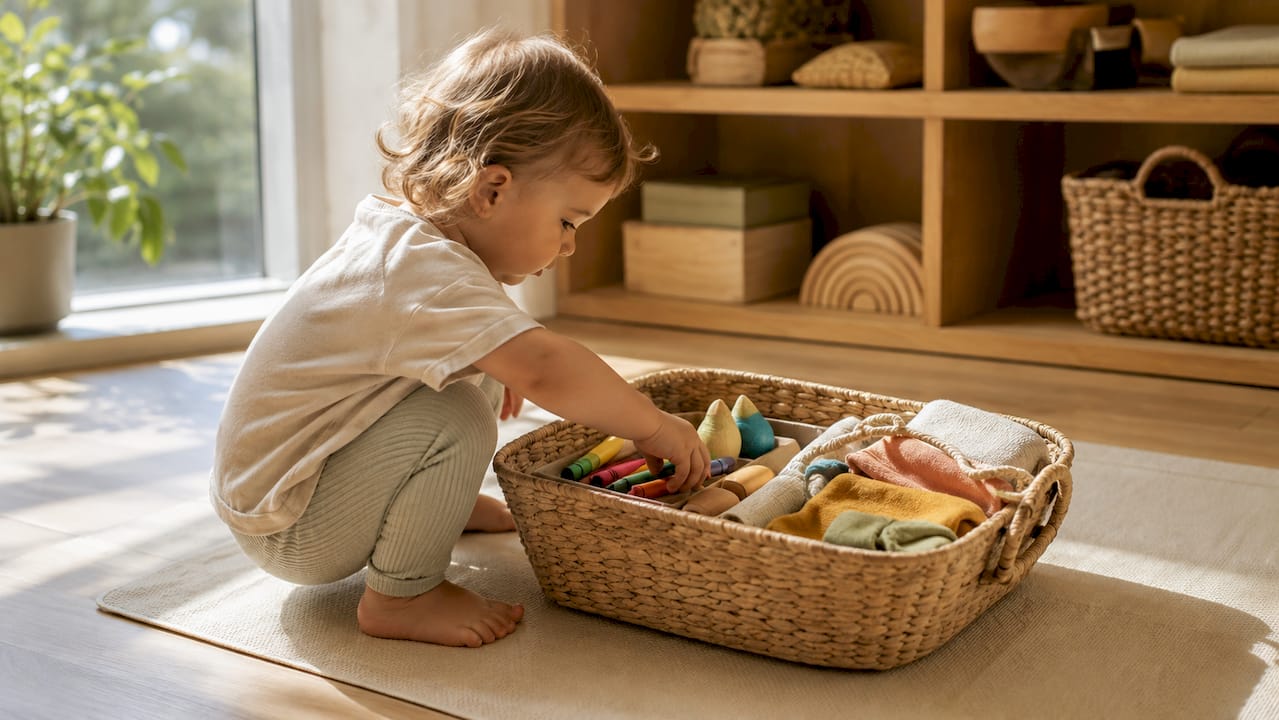
Rotation keeps creative supplies feeling fresh without buying anything new. Put out the materials for one activity at a time and give the toddler a spot where the work can stay while it dries. Keep the open basket for things they can handle at their age. Paint, scissors, or anything they still put in their mouth can come down when you’re there to use it with them.
When a subscription is worth the space
8. A three-delivery club with a real end date
Subscriptions refresh a toddler’s activities without anyone having to remember to shop again. They can also deliver twelve new storage problems. Before signing up, look at everything left over from one shipment. Paper that becomes a drawing is easy. A new tray, plastic tool, or little figurine in every box adds up fast.
Cancellation flexibility matters more than the box’s contents. A subscription locked into a twelve-month commitment is a poor gift if the toddler loses interest by month four. I’d pick a prepaid term with a final shipment, make sure the recipient won’t need to enter a credit card, and check the age on a sample box. A preschool craft with beads or buttons doesn’t become a toddler craft because the subscription covers a wide age range.
You can make the same gift yourself, even from another island or another state. Mail three envelopes over three months. In the first, tuck a picture of a bird and a note asking them to look for one outside. In the second, include a favorite family song you’ll sing together on a call. In the third, let the toddler choose the next story you read them. For the price of postage, they get mail addressed to them and a reason to call you.
Outdoor gear that earns its spot by the door
9. A small sand set for a regular park or beach outing
If a toddler spends every park visit digging, I’d build the gift around the outing they already love. The PlanToys Sand Play Set has one bucket and three diggers. The bucket is small enough for a toddler to carry, which is also its drawback if the grand plan is a six-foot moat. PlanToys lists it for 18 months and up and identifies rubberwood, formaldehyde-free glue, and water-based dyes. The molded pieces use the maker’s PlanWood material.
The tools are only half the present. Take them out together, fill two differently shaped holes, and see which holds water longer. Rinse off the sand and give the pieces a place to dry before they go back in the bag. If the child already has a bucket and scoop, offer the beach morning and carry the sandy bag home. That’s the part a two-year-old can’t do for themselves.

- Four pieces for sand or water play
- Small bucket for digging and scooping
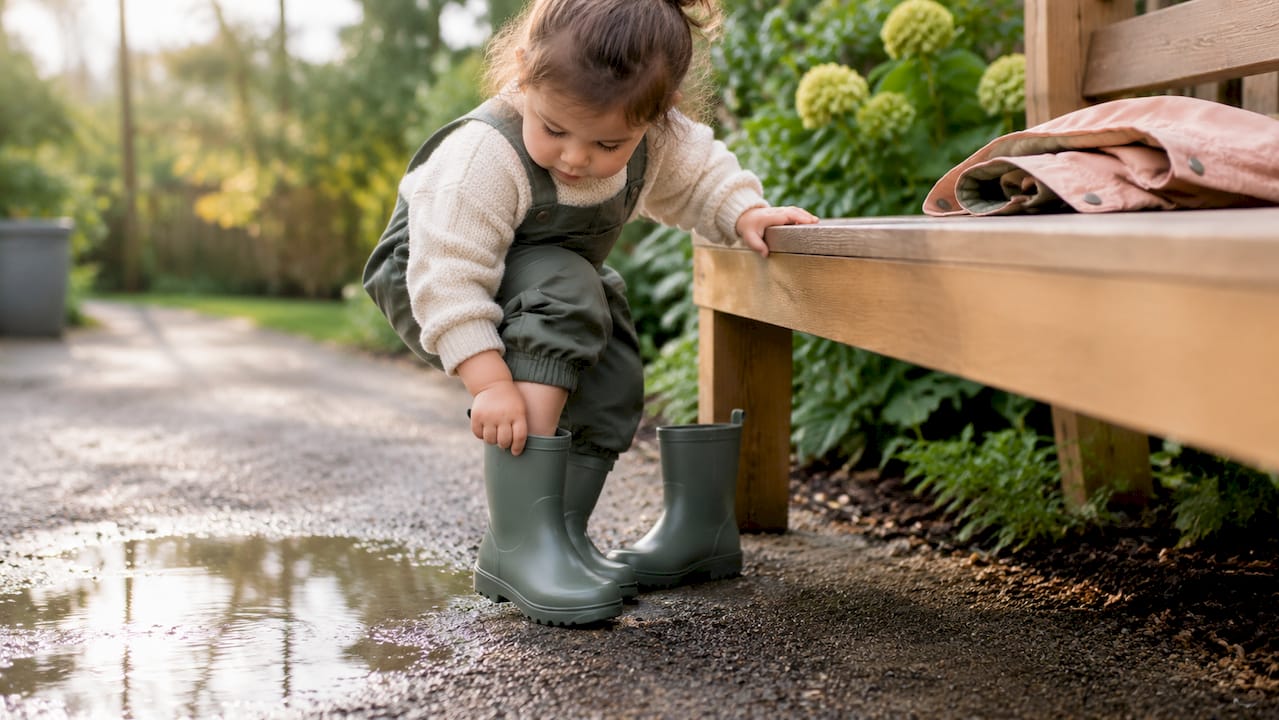
Fit matters here more than it does with a book or a ticket. Boots that are already on the family’s list can be a welcome practical gift. Get the current size and ask if they need a wide opening or room for thick socks. For a balance bike, find out where it would live and whether the child can put their feet flat on the ground at the lowest seat setting. In an apartment with no easy place to park it, a borrowed bike at Grandma’s may be the version everyone prefers.
Practical gifts toddlers can use every day
10. A water bottle that replaces the leaky one
Practical items rarely feel exciting on paper, but a toddler who wants to carry their own things can feel very differently. If daycare has asked for a straw bottle, the Pura Kiki 11 oz Kiddo Straw Bottle makes sense as a replacement. The drink touches an 18/8 stainless steel bottle and a silicone straw. Pura identifies those materials and lists the bottle as MADE SAFE certified. The bottle is single-wall, so I’d choose it for its light weight and easy packing when insulation isn’t a priority.
Ask the parent two things before buying. Does the school accept this type of straw, and will the bottle fit upright in the bag they already use? The silicone travel cover is a separate piece to keep track of. Pull the straw apart to wash it and let the parts dry. If the family already owns a compatible Pura bottle, check the top they have. A replacement straw or top may solve the whole problem.

- 18/8 stainless steel bottle with a silicone straw
- MADE SAFE certified
- Interchangeable tops as kids grow
- Includes a silicone travel cover
- Single-wall bottle does not insulate
- Use the travel cover to help prevent spills in a bag
The same question works for clothing and other everyday gear. A backpack a toddler proudly wears to daycare gets used every morning. A second backpack, even a lovely one with their name on it, needs a hook. Ask for the parent’s exact size or wish-list item. A small note tucked into the pocket for the first day of school will make something practical feel like it came from you.
A game that makes time for playing together
11. A first game night that fits in one box
If there’s room for one family game, I’d choose HABA My Very First Games: First Orchard for ages two and up. Everyone gathers the wooden fruit before the raven reaches the orchard. The first time, you can leave the path cards in the box and just take turns picking a pear. When the child starts asking what the raven does, add the short game.
The fruit and die are chunky wood, while the orchard and path use card pieces. HABA describes water-based finishes on its wooden toys. The pieces wipe clean, and the fruit can visit a pretend kitchen long after the game ends. It still needs about nine inches of shelf width and a grown-up to get things started. I’d skip it if they already have a first game that someone will happily sit down and play.

- Short cooperative game with chunky wooden fruit
- Needs table space and help with setup
If there’s no room for the box, make the gift a standing game night. Hide one of the child’s own toy animals under a cloth and take turns guessing which one is missing. For a younger toddler, put two familiar toys out first and let them do the hiding. Shared play already gives them turns to wait for and someone to laugh with.
A gift that uses what the family already owns
12. A toy-swap playdate or an afternoon helping with rotation
Toy rotation works as a gift, too, though it takes a lighter touch to present well. Offer a playdate and ask whether their parent would enjoy swapping one familiar puzzle or set of animals for a few weeks. Keep each set together in a bag the family already owns and put a return date on the calendar. The child gets something fresh to play with, and both households get their space back.
For a family who doesn’t want to trade belongings, offer an hour to play with the toddler while the parent rotates a shelf. Or let the toddler set up a new scene with you. A bowl from the kitchen becomes a duck pond, and yesterday’s blocks make the fence. A rotation bin helps only if there’s somewhere to put it. The back of an existing cupboard works just as well.
Sometimes relatives would rather give money toward something meaningful. Contributing to a family’s savings for a class series, or making a small donation to a cause they already care about, are thoughtful alternatives. Check with the parents first. A quick conversation beats surprising someone with a donation receipt when what they really needed was help covering an adult swim-class fee.
How do you choose the right non-toy gift?
Three quick questions to the parent save a lot of guesswork. What’s your storage situation like right now? What does your toddler actually gravitate toward? Is there anything you’re already trying to buy or sign up for that I could get instead?
If you want the gift to be a surprise, ask the first two questions and keep the details to yourself. “What did they spend the longest doing yesterday?” often gets a much better answer than “What do they want for their birthday?” At this age the answer might be peeling a banana or watching a bus go by. Both give you somewhere to start.
When in doubt, ask what the family is already trying to buy for an upcoming season, like rain boots before spring or a swim class before summer. Filling a gap they were already planning to fill feels more thoughtful than it sounds.
How to wrap an experience so there’s still something to open
Toddlers love unwrapping something. Fortunately, the part they tear open can be very small. Give them something they can recognize today, even if the activity is a few sleeps away.
For experience gifts scheduled for a future date, looping the parent in early avoids awkward scheduling surprises. A quick text confirming dates before locking in a class or ticket keeps the gift from becoming one more thing a busy parent has to untangle later.
What I check before calling a toddler gift non-toxic
Anything a toddler touches repeatedly, chews on, eats from, or wears against their skin deserves a second look. I start with the part they’ll actually touch. With a bottle, that’s the straw as well as the body. With crayons, it’s the wax and the color. A museum morning is a lovely choice if a gift-giver has no idea what ingredients or materials work for the child.
Art supplies that end up on little hands
Look on the back for an age range and a description of what’s in the product. In the U.S., “Conforms to ASTM D-4236” means an art material was reviewed for potential chronic health hazards and labeled accordingly. The statement can appear on art supplies that carry cautionary labeling, too. It doesn’t tell you whether a paint has perfume or whether it belongs in the mouth of a toddler.
The ACMI Approved Product (AP) seal answers a different question. A toxicologist has evaluated that specific formula and found no ingredients in amounts considered harmful when used as intended. I still check the age and ingredients. “Washable” describes what happens when you try to get the color off. “Food-grade pigment” describes an ingredient. Neither turns a crayon into a snack.
For scented dough or paint, I look for an unscented version with the fragrance ingredients left out. Essential oils are fragrance, too. For a child with a wheat allergy, check whether dough contains wheat before gifting it. If the package leaves you guessing, a sheet of paper and the crayons the family already uses are a perfectly good art afternoon.
The surface matters as much as the material underneath
On a wooden play piece, check the finish, seams, and painted edges as well as the wood species. A maker who identifies the color and glue gives you something to evaluate. “Natural wood” alone leaves the finish a mystery. If a painted hand-me-down is chipping where a child puts their mouth, pass on that piece.
For fabric, I look up the fiber and any finish separately. A cotton backpack can still have a stain-repellent coating. Some water- and stain-resistant textile treatments use PFAS. For an item that claims either feature, I look for a statement about intentionally added PFAS that covers the item and its finish. For a play cloth that will spend most of its life on the living room floor, ordinary washable fabric already does the job.
With drinking gear, identify the surfaces in the full path of a sip. That includes the inside of the bottle, the underside of the lid, the valve, and the straw. “Stainless steel” on the front may describe just the vessel. I also want to be able to see and wash the places where water or milk can sit. An easy-to-clean bottle the family already owns is a good reason to choose an outing instead.
For more examples of the questions I ask about a finish, fragrance, or material claim, I keep them together in my guide to choosing non-toxic baby gifts.
How to get more play out of the things already there
Some gifts give a toddler a chance to share, wait, or cooperate because another person is right there doing the activity with them. A music circle offers motions to copy. At the museum water table, you can fill a cup and let the child decide who gets to pour it. An entire toddler game can be taking turns hiding a wooden pear.
It helps to choose a job with a visible result. “Help me clean” is a big ask. “Can you put these two spoons beside our bowls?” gives a child a beginning and an end. The same goes for a family picnic. Let them put the napkins in the bag or pick which tree you’ll sit under. The picnic can happen with the blanket and containers you already own.
When I’d buy secondhand
Secondhand books, washable clothing in the next size up, and intact wooden play pieces can all make thoughtful gifts. If you’re giving an outing, the clothes for it may already be in the hand-me-down pile. Ask before buying a new raincoat for a child who has a cousin one size ahead.
For a used toy, check that all the pieces and fasteners are present, look for the maker and model, and search the CPSC recall database. Look closely at the areas a small child pulls or chews. Skip an unidentified item with flaking paint, an exposed magnet, or a battery door that won’t fasten. A sturdy book with a few cosmetic scuffs is a much easier secondhand decision.
When the grown-up is the best part of the gift
A gift built around family time gives a toddler your undivided attention. If you’re already meeting for lunch, let them choose the book afterward. If you’re buying tickets to a children’s show, take a seat near an exit and leave room for a short visit. Ending after twenty happy minutes can be the right call.
This matters just as much for relatives who live far away. Ask for a photo of the child’s latest drawing, then call and let them tell you what’s happening in it. A toddler who changes the story three times is still getting exactly what you meant to give them.
A quick age check before you buy
I treat “non-toxic” and “age-appropriate” as two separate questions. A beautifully finished wooden berry can still be small enough to choke on. A two-year-old who is brilliant at puzzles is still two when a box says 3+ because it contains small parts.
Why I’d try toy rotation before adding another bin
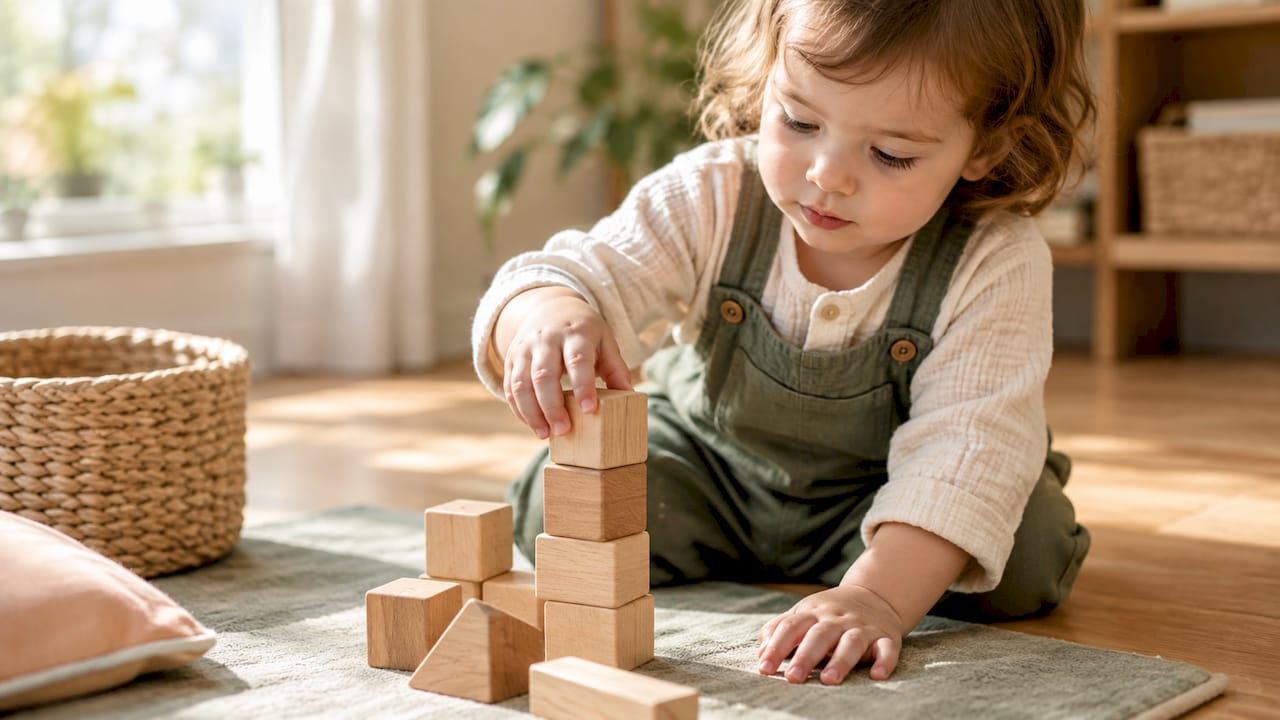
One small study put numbers to something parents often notice on the living room floor. Researchers watched 36 toddlers play individually with either four toys or sixteen. With four available, the children spent longer on each toy and used individual toys in more ways. That was a comparison of two play sessions. It gives me a good reason to try clearing one shelf. It doesn’t tell me how many toys a family should own.
Before buying anything new, pull something out. Leave the bedtime favorite alone. Pick one activity that is hard to see in the pile, put its pieces together, and give it enough space to use. When interest fades, trade it for a different familiar activity. You don’t need matching bins, an inventory spreadsheet, or a strict rotation calendar.
If I were shopping for the toddler whose toy box started this whole conversation, I’d send the parent a text. “Can I take them to the aquarium on Saturday? I’ll cover the outing.” If the answer is “Actually, we’re out of crayons,” I have my answer then, too.
Frequently Asked Questions
Sources