The best non-toxic gifts are the ones that fit someone’s actual life. This shortlist keeps the budget under $50 and organizes the picks by who you’re shopping for: her, him, kids, home, and wellness. You’ll find reusable gifts alongside a few consumables that won’t become another thing to store.
Prices are in USD for the sizes listed, before tax and shipping. New additions checked October 29, 2026; prices and availability can change.
Key Takeaways
Best Non-Toxic Gifts Under $50, Organized by Recipient
Buying a gift under $50 can mean grabbing whatever’s cute at the register, or falling into an hour-long ingredient rabbit hole on your phone in the checkout line. What works better is shopping by category first (who is this for, what do they actually use) and then checking materials second. That’s the structure below.
For her
For someone who likes journaling, Decomposition Spiral Notebooks ($42.95) have lined, 100% post-consumer recycled paper and soy-ink printing. They can use them as gratitude journals, travel notebooks, or a place to get tomorrow’s to-do list out of their head. Best for: the person who still prefers pen and paper.

- 100% recycled paper
- Printed with soy ink
- Made in the USA
- Spiral binding folds back for writing
- More expensive that basic notebooks
The Terra Thread Executive Work Tote Bag ($49.95) is made from GOTS-certified organic cotton canvas. It has a spot for your laptop and water bottle, plus an outside zip pocket so your keys don’t end up under your lunch. Best for: the friend who’s still using a grocery tote as her work bag.

- GOTS-certified organic cotton canvas
- Fits laptops up to 15 inches
- Separate bottle pocket and zippered front pocket
- Machine washable in cold water
- Snap closure leaves the top partly open
- Zipper tape and stitching are polyester
For him
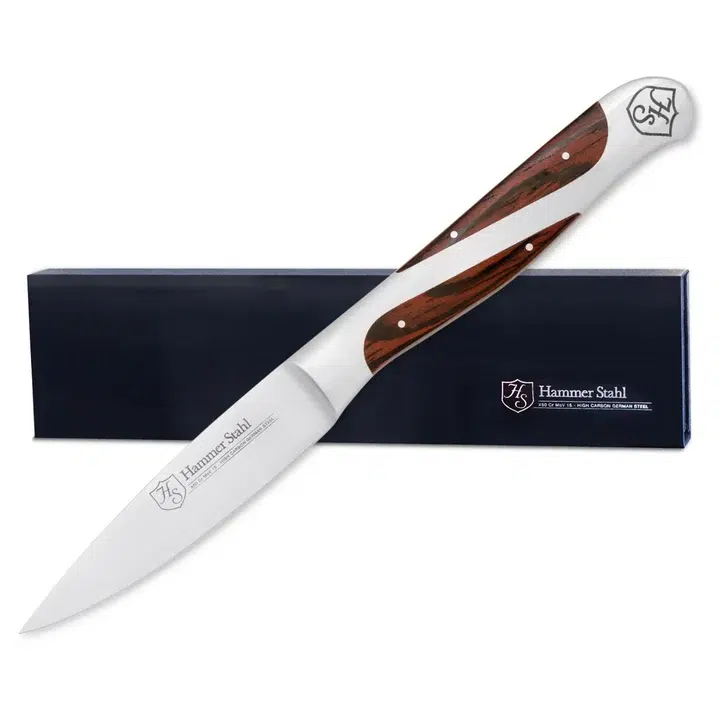
The Hammer Stahl 3.5-inch Paring Knife ($39.95), sold by Heritage Steel, is handy for peeling fruit, trimming vegetables, and other small prep jobs. It has a German steel blade and a Pakkawood handle. Best for: someone who cooks often and is still using a tired little paring knife. Hand-wash and dry it after use.
- Forged German stainless steel blade
- Compact for peeling, coring, and trimming
- Pakkawood handle with steel through all four sides
- Comes in a magnetic gift box
- Short blade is awkward for larger chopping jobs
- Blade guard sold separately
The Terra Thread Erdig Laptop Sleeve ($37.95, 13–14-inch size) uses organic cotton canvas and organic cotton padding, with a zippered front pocket for cables and other bits that disappear into a bag. Best for: the commuter, student, or person who works from a different coffee shop every week. Check the laptop’s measurements before choosing a size.

- GOTS-certified organic cotton canvas
- Organic cotton padding
- Zippered front pocket for a charger or small items
- Made in a Fair Trade Certified factory
- Snug fit; measure your laptop before ordering
- Polyester zipper tape and stitching
For kids
Grimm’s Wooden Rainbow Tunnel ($40, six pieces) is made from alder wood with water-based dyes. The arches can become bridges for toy cars, tunnels for little animals, or a very wobbly tower. It’s a compact set, about 6.5 inches wide. Best for: the little builder who keeps finding new uses for the same toys.

- Alder wood with water-based color
- Six arches for stacking, nesting, or building bridges
- Compact set, about 6.5 inches wide
- Wipe clean; do not soak or put in the dishwasher
The Sarah’s Silks Northern Coast Silk Cape ($38.40 on sale; usually $48) is a lightweight silk dress-up cape with a stretchy neckband. Bella Luna lists the fit for most children ages 3–8. Best for: the child who leaves the house as a different character every day. It can stay in the dress-up basket long after the holiday is over.

- Lightweight silk fabric
- Stretch neckband fits most children ages 3–8
- Simple cape works with many costumes
- Hand wash and hang dry
- One size; check the neckband and length before buying
The Pura Kiki 11oz Kiddo Straw Bottle ($28.99) pairs a stainless steel body with a silicone straw, sleeve, and travel cover. It’s the lightweight, non-insulated version, and the tops can be swapped as the child grows. Best for: a toddler who’s ready for a straw bottle, or a family trying to cut down on plastic drinkware.

- 18/8 stainless steel bottle with a silicone straw
- MADE SAFE certified
- Interchangeable tops as kids grow
- Includes a silicone travel cover
- Single-wall bottle does not insulate
- Use the travel cover to help prevent spills in a bag
If you’re shopping for a baby or toddler specifically, this list is a starting point, not the finish line. My breakdown of what to avoid in baby gifts covers the age-specific details worth checking.
For the home
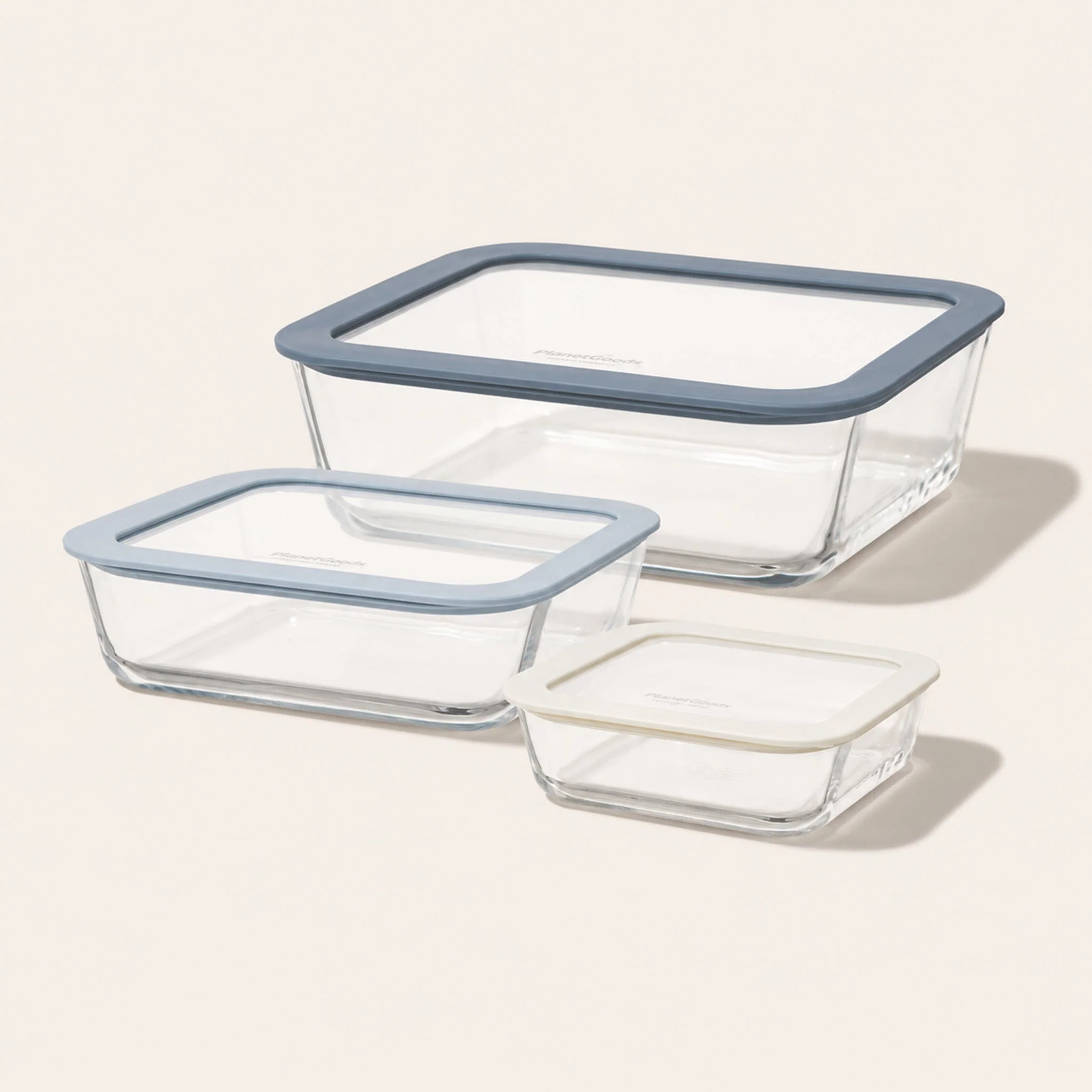
PlanetGoods Square Glass Food Storage 6-Piece Set ($49.95) solves a real problem: stained containers and mismatched lids. This set contains three borosilicate glass containers in different sizes, with glass lids and silicone seals. Best for: someone who meal-preps or always sends you home with leftovers. The containers nest when empty. Remove the lid before reheating leftovers in the microwave.
- Borosilicate glass bases and lids
- LFGB-certified silicone seals
- Leakproof design
- Freezer, microwave, and dishwasher safe
- Three useful sizes: 20 oz, 36.8 oz, and 64 oz
- Stackable when full and nestable when empty
- Heavier than glass containers with plastic lids
- Glass requires more care around kids and travel
Smart Sheep Penguin Wool Dryer Balls ($29.95, set of six) replace single-use dryer sheets with reusable wool balls. They’re made from 100% New Zealand wool, with little penguin faces that make laundry supplies surprisingly giftable. Best for: someone who likes useful gifts with a little personality. They come unscented for a fragrance-free laundry swap.

- 100% New Zealand wool
- No added fragrance
- Reusable
- Six penguin dryer balls included
- Not vegan
- More expensive than plain wool dryer balls
The Zero Waste Store Dish Brush Kit ($43.95) is a small, easy-to-overlook swap for someone who prefers wood and plant-fiber cleaning tools. Best for: the friend who actually gets excited about a well-stocked sink. Make sure that’s your recipient before giving them dishes to think about.
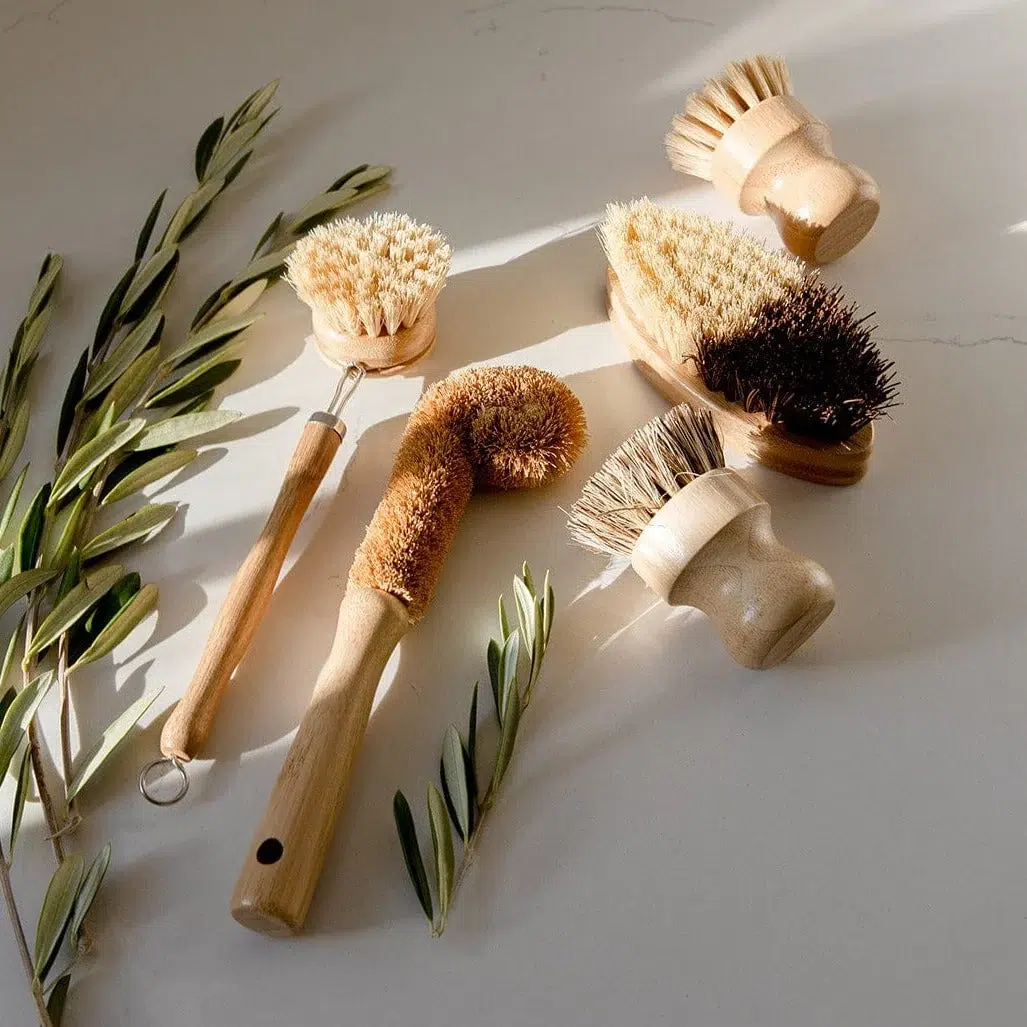
- Plastic-free wood and plant-fiber tools
- Five brushes for dishes, pots, bottles, and produce
- Wood and plant fibers can be composted
- Metal parts must be removed before composting
- Some buyers report bristle shedding

For wellness and stocking stuffers
The Pura Big Mouth Sport 22oz Insulated Bottle ($39.99) has a stainless steel body and a silicone sport top, with no plastic parts touching the drink. The insulated design makes it useful for cold water on walks, at the gym, or through a long workday. Best for: someone whose water bottle goes everywhere with them.

- Stainless steel bottle and silicone sport top
- Insulated for cold drinks
- Interchangeable silicone top and sleeve
- For drinks up to 104°F only
- Sport top does not include a straw
Ghia Original Apéritif ($38, 500 mL) is an alcohol-free, bitter citrus mixer made with fruit juices and botanical extracts. Add sparkling water and ice for a simple spritz. Best for: the friend who likes a grown-up drink without the alcohol, especially if they prefer bitter citrus to something sugary-sweet.

- 0.0% alcohol
- Full ingredient list available
- One bottle makes about 17 spritzes
- Bitter citrus flavor may not suit sweet drink fans
The Plant Therapy Top 3 Organic Singles Set ($28.99) includes lavender, lemon, and peppermint essential oils, all USDA-certified organic. Three small bottles make an easy stocking gift, and each oil’s ingredients are fully named. Best for: someone who already uses and enjoys these oils. I’d treat this as a restock of their favorites, rather than a surprise scent experiment.

- USDA-certified organic lavender, lemon, and peppermint oils
- Three separate oils instead of a premixed scent
- Brand lists the oils as GC-MS tested
- Concentrated oils need dilution before skin use
- Skip for someone who avoids fragrance
How Do You Choose the Best Non-Toxic Gifts Under $50?
Price and good intentions aren’t enough. A $40 candle can still contain a fragrance your friend dislikes, and a “natural” toy still needs age-appropriate construction and safe finishes. Here’s the checklist I use when comparing gifts.
- Start with the material, not the marketing. Glass, stainless steel, wood, and organic cotton are useful starting points. Check the whole product, including coatings, paint, lids, and fillings. A wooden toy with small parts still isn’t a gift for a baby.
- Read the ingredient and fragrance information. For someone avoiding fragrance, check for added essential oils as well as “fragrance” or “parfum.” PFAS-free claims matter for water- and stain-resistant finishes, but an ordinary ingredient list won’t tell you everything about coatings or contaminants.
- Look for a certification that actually means something. GOTS covers organic fiber content and textile processing. OEKO-TEX STANDARD 100 tests textiles against limits for harmful substances; it doesn’t mean the fabric is organic. Check that the certification applies to the item you’re buying.
- Watch for greenwashing language. “All-natural,” “clean,” and “eco-friendly” aren’t enough to judge a product. A brand that lists full ingredients, materials, and relevant testing is telling you more than a row of green leaves on the packaging.
- Ask about packaging before you check out. Minimal or reusable wrapping is a plus. Also think about what happens after the gift is opened: can they buy replacement blades, reuse the jar, or replace a worn brush head?
Pro Tip: When you’re shopping fast, decide who it’s for and how they’ll use it, check the exact size and price, and look at the return policy. A gift that fits their routine is more useful than a perfect-looking product they’ll never touch.
Caring for Gifts So They Last
Glass storage containers can go through the dishwasher when the maker allows it. Avoid sudden temperature changes, such as putting hot glass on a cold, wet surface, and retire chipped or cracked pieces. Rinse reusable razors after shaving and let them dry between uses.
For candles, trim the wick to a quarter inch before each lighting. That helps keep the flame under control and reduces excess soot. Wool dryer balls can be reused for many loads; replace them when they start coming apart.

Wash organic cotton towels according to the care label, and skip fabric softener if absorbency is the priority. Let wooden dish brushes dry thoroughly between uses instead of leaving them soaking beside the sink. For skincare, use any expiry or period-after-opening guidance on the packaging and keep products away from heat and direct sunlight.
None of this is complicated. It’s mostly common sense applied consistently, and it helps a useful gift stay useful.
More Non-Toxic Gift Guides




Why I Choose Durable Gifts Over Disposable Ones
I’d rather give one thing that gets used for years than five things that get tossed by February. That’s the whole philosophy behind this list. For me, the best non-toxic gifts are either useful for years or something the recipient will happily use up.
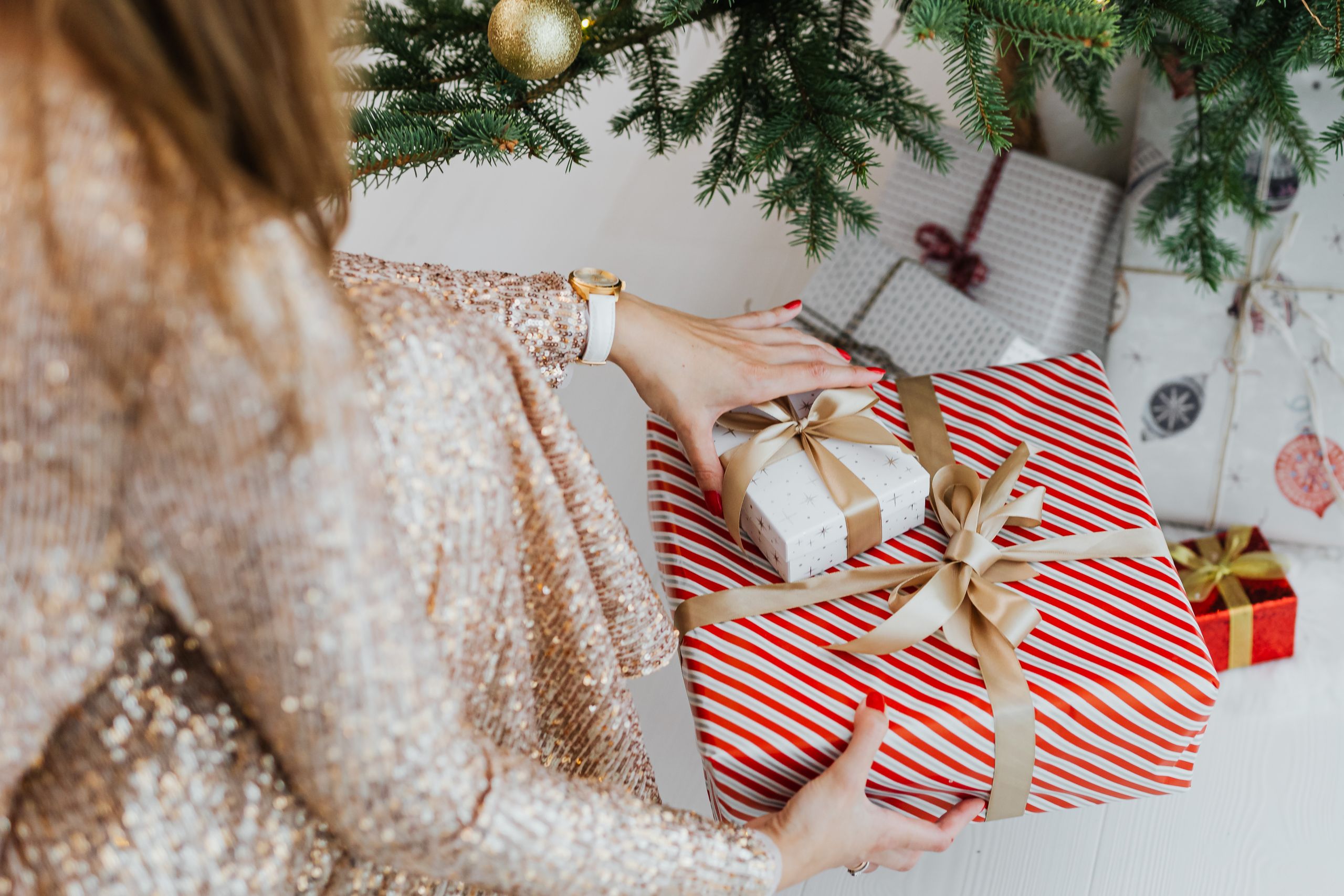
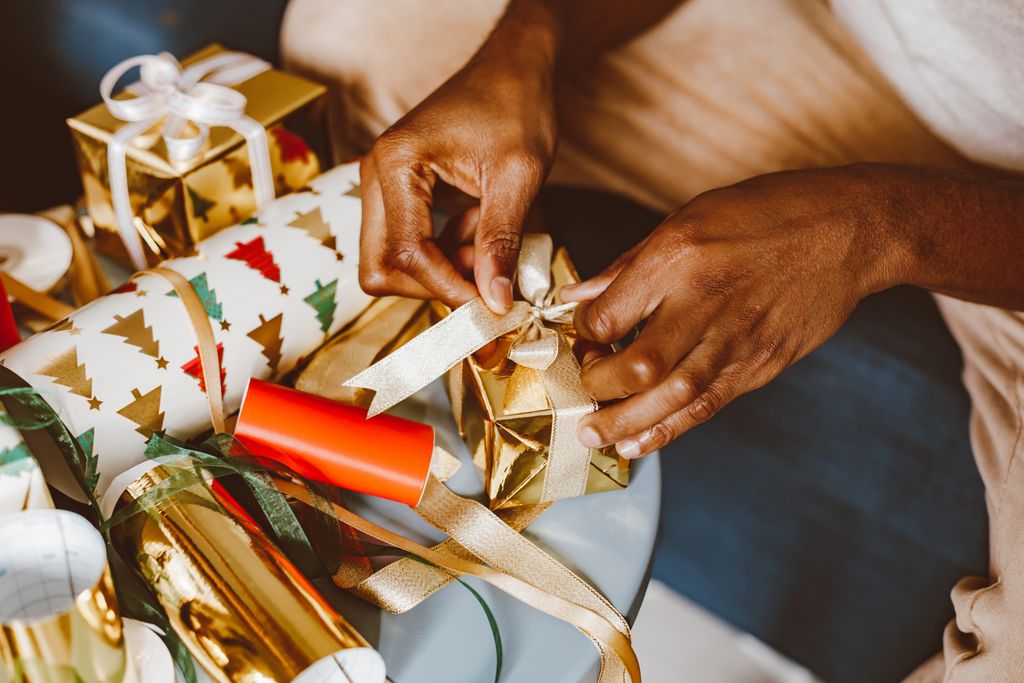
For wrapping, skip the glossy paper. A square of fabric tied in a simple furoshiki knot works for almost any shape, a reusable gift bag gets used again next year, and a sprig of dried herbs or a pinecone tucked into the ribbon dresses up either option without adding a scrap of waste. If you’re shopping for someone who loves baking, my non-toxic bakeware guide has more kitchen ideas.
Frequently Asked Questions
More Non-Toxic Gift Ideas
Shopping on a smaller budget? Start with my best cheap non-toxic gifts under $25. For a wider range of ideas, the holiday gift guide includes picks above and below this price bracket.
Shopping for a baby or new parent calls for a closer look at age ratings, small parts, and materials. The non-toxic baby gifts guide covers those details. For more ideas around wellness gifting, you can also browse The Re-gen Store’s guide to eco-friendly healing products.


Sources
Product prices, sizes, materials, and ingredient details come from the product pages linked above. The sources below explain the standards and care advice used in this guide.