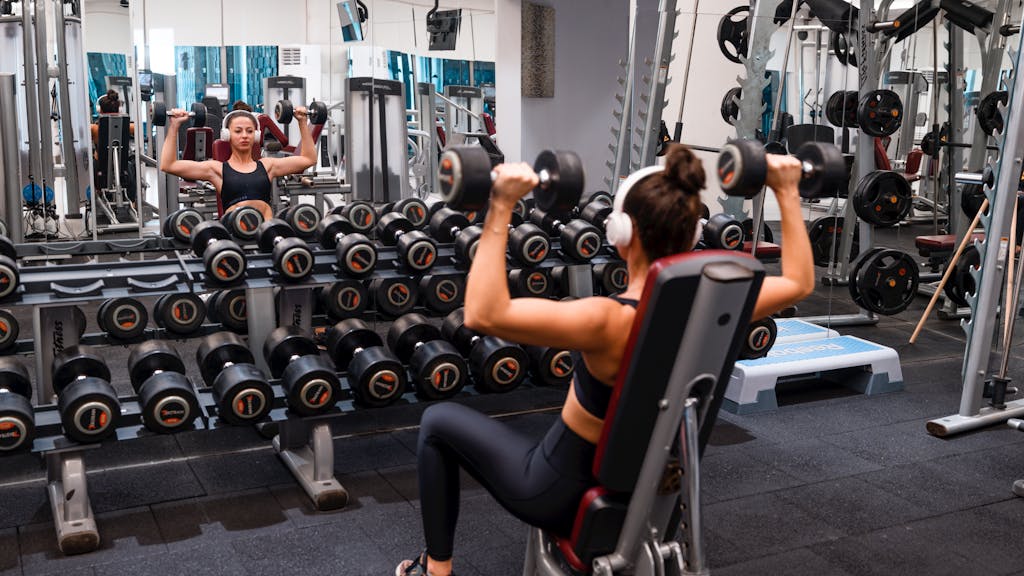
When I dug into the best non-toxic pre-workout supplements, I found a lot of tubs that looked clean on the front and got a lot less charming once I read the label, the testing language, and the warnings. Some were genuinely solid, some were just better than average, and some needed a quiet timeout.
My goal with this guide is simple. I want to help you find a pre-workout that supports your training without mystery blends, stimulant overload, or junk fillers you never asked for.
For this post, “non-toxic” is my editorial shorthand for lower-tox, more transparent, and less junk-heavy. It is not a regulated label, which is exactly why I built a stricter screen instead of trusting pretty packaging.
If you are building a cleaner workout routine from scratch, pre-workout is only one piece of the puzzle. I would also look at your protein powder and the shaker bottle you use every day, because those are usually the products that touch your routine the most.
My Quick Top Picks for the Safest Non-Toxic Pre-Workout Supplements
I used a simple rating system for this roundup: ⭐ Cleanest means it met my strict criteria, ✅ Low-tox alternative means better than conventional but not perfect, and ❌ Avoid means it failed my screen for this article.


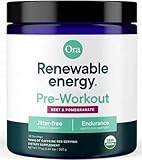
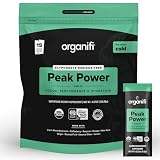
Source note: Caffeine amounts, testing claims, and product classifications come from the uploaded research packet and the brand materials compiled in it.
If you want my shortest answer, I’d start with Naked Energy if you want the simplest unflavored pre-workout, and PurePump if you care most about formula purity but still want a fuller performance-style formula.
If USDA Organic matters most, I’d look at Organic Muscle Superfood Pre-Workout or Garden of Life Sport Organic Plant-Based Energy + Focus. Organic Muscle feels more plant-heavy and traditional, while Garden of Life has the stronger sport certification stack.
For lower caffeine, I’d look at Garden of Life Sport, Ora Organic Renewable Energy, or Organifi Peak Power next.
Why Choosing a Truly Non-Toxic Pre-Workout Matters
This is not just about being ingredient-picky for sport.
It is about knowing what you are taking before you work out, and knowing what kind of nonsense you are not inviting in with it.
The supplement world still leans way too hard on vague labels, stimulant stacking, and “trust us” quality language. The FDA has warned that some products marketed as supplements, especially in bodybuilding and performance categories, can contain illegal or hidden substances, and Operation Supplement Safety tells consumers to pay attention to proprietary blends, stimulant risk, and third-party testing when screening products.
Even when a formula is not adulterated, it can still be sloppy. A product can hide behind a proprietary blend so you cannot tell what is dosed meaningfully, or it can stuff one scoop with a huge chunk of your daily caffeine tolerance. The FDA’s general benchmark for most adults is 400 mg caffeine per day, so a pre-workout with 300 to 350 mg in one serving gets my attention fast.
I also care about the less dramatic part of “clean.” Artificial dyes, ultra-sweet flavor systems, filler-heavy formulas, and vague complexes do not make a label more trustworthy, they just make it louder.
The Toxic Chemicals Hiding in Popular Pre-Workout Supplements
Sometimes the problem is a clearly risky ingredient. Sometimes the problem is a label that keeps the real story just blurry enough that you cannot tell what you are buying.
The biggest red flags I watch for are hidden or illegal stimulant-style ingredients, yohimbe or yohimbine, aggressive caffeine loads, and proprietary blends that hide how much of each active ingredient you are actually getting. FDA and OPSS both warn that stimulant-heavy and bodybuilding-style supplements deserve extra scrutiny, and the National Center for Complementary and Integrative Health specifically flags yohimbe for safety concerns and inconsistent labeling.
Then there is the “feel it working” trap. Beta-alanine can cause the classic tingles, which NIH says are common and usually not harmful, but that sensation can also make an underwhelming formula feel more dramatic than it really is.
Niacin is another ingredient I watch. NIH notes that supplemental nicotinic acid around 30 to 50 mg or more commonly causes flushing, and I do not count “my face is suddenly furious” as a wellness feature.
For plant-based and superfood-heavy blends, heavy-metal screening matters too. The FDA tracks toxic elements in foods and dietary supplements, and peer-reviewed review literature on herbal products supports the idea that contamination is a real quality issue, which is why I give extra weight to public COAs and meaningful third-party certification.
This is also why I am picky about heavy metal tested protein powders. Plant-based does not automatically mean cleaner, especially when brands do not share testing or ingredient sourcing clearly.
Are Powders, Stick Packs, Gummies, and Cans really Non-Toxic?
powders
Powders are usually the easiest format to keep relatively simple. They also make it easier to offer unflavored or lightly flavored versions, which is one reason several of my best picks are powders instead of flashy ready-to-drink products.
stick packs
Stick packs can be handy, but convenience often brings more flavoring and more packaging. I do not mind pouches or packets if the ingredient list still reads like a real label and not a party favor.
gummies
Gummies and canned pre-workout drinks tend to make me suspicious faster. They usually lean harder on sweeteners, acids, flavors, and color systems, which is fine if your goal is entertainment, but not ideal if you want the cleanest formula you can reasonably buy.
One more tiny-but-important detail: I would not mix a cleaner powder in a questionable plastic bottle every day. If you are swapping your supplement routine, this is a good time to upgrade to a non-toxic shaker bottle, too.
How I Tested These Pre-Workout Supplements For Safety
I vetted these by checking the brand’s official product page and then scoring each formula against a repeatable set of standards.
Before You Shop…
Many of the items below ship with Amazon Prime. Not a member yet? Prime Trial offers new customers a 30-day trial for Prime or a 6-month trial for Prime for Young Adults.
⭐ The Best Non-Toxic Pre-Workout Brands in 2026
Every product in this section met my stricter screen: transparent enough label, no artificial sweeteners or dyes, no yohimbe, no glaring trust issues, and a formula I would feel comfortable recommending as a genuinely cleaner option.
⭐ Naked Energy
Naked Energy is my cleaner pick for someone who wants a straightforward, unflavored pre-workout without sweeteners, colors, flavors, or extra “other ingredients.” The label is short compared with most pre-workouts, which makes it easier to understand what you are actually taking.
That said, this is not a bare-minimum formula. It still contains 200 mg caffeine, 2g beta-alanine, 1g creatine monohydrate, 1g L-arginine, and 40mg niacin, so sensitive users may still feel the caffeine, tingles, or niacin flush.

Quick pros: no other ingredients; no sweeteners; no colors; no flavors; simple active formula.
Quick cons: 200 mg caffeine; contains beta-alanine; contains 40mg niacin; plain taste is not for everyone.
⭐ PurePump
PurePump is clean in the additive sense, not minimal in the ingredient-count sense. It has no flavors, sweeteners, dyes, or fillers, and I like that every active ingredient is clearly listed with an amount.
Compared with Naked, this is the more complex performance formula. It includes 200 mg caffeine, 2g beta-alanine, 2g L-citrulline, 1g creatine, L-arginine, L-carnitine, BCAAs, vitamins, and alpha lipoic acid, so I would pick it for someone who wants a fuller pre-workout experience and tolerates those ingredients well.

Quick pros: fully disclosed formula; no flavors, sweeteners, dyes, or fillers; more complete performance-style formula.
Quick cons: 200 mg caffeine; contains beta-alanine; more ingredients than Naked; bitter/plain taste.
✅ Low-Tox (not perfect, but better)
These are the products I would call better-than-conventional. I can see why someone would buy them, but each one has at least one reason it did not make my cleanest tier.
✅ Organic Muscle Superfood Pre-Workout
Organic Muscle is a good fit if you want a pre-workout that feels closer to a traditional gym formula, but with an organic, plant-heavy ingredient list instead of artificial sweeteners, dyes, and mystery stimulants.
It has 150 mg of caffeine from organic green coffee bean extract, plus ingredients like yerba mate, matcha, maca, cordyceps, rhodiola, beet root, pomegranate, berries, and turmeric.
I’d still call this a low-tox pick, not one of the cleanest options. The formula uses proprietary blends, which means you can see the total amount for each blend, but not the exact amount of every ingredient inside it. I wish they had an unflavored version so I could skip the natural flavors.

Quick pros: USDA Organic; 150 mg caffeine; no artificial colors or artificial sweeteners; plant-heavy formula.
Quick cons: proprietary blends; natural flavoring blend; 3g sugar; not fully dose-transparent.
✅ Garden of Life Sport Organic Plant-Based Energy + Focus
This one earns real credit for the certification stack. USDA Organic, NSF Certified for Sport, and Informed-Choice are not tiny details, and they are exactly the kind of trust signals I want in a category that has earned skepticism.
I kept it in low-tox instead of cleanest because the formula is still blendy and includes natural flavoring and citric acid, plus some cane sugar. It is a better-than-average choice, especially for athletes, but not my strictest label.

Quick pros: strong sport certifications, 85 mg caffeine, organic.
Quick cons: partial blend system, includes cane sugar, natural flavor, and citric acid.
✅ Ora Organic Renewable Energy
Ora is one of the better picks for caffeine-sensitive shoppers. It uses 90 mg caffeine, is USDA Organic, and the current listing shows a real ingredient list instead of hiding behind mystery language.
Why is it not in the cleanest section? Mostly because it still uses natural flavoring and sweeteners, and the active ingredients are not broken out as neatly as I would like for a performance product.

Quick pros: lighter caffeine, organic, better transparency than average.
Quick cons: natural flavoring, not fully dose-transparent.
✅ Organifi Peak Power
Organifi Peak Power is a solid low-tox option if you want a lighter pre-workout with 100 mg of caffeine instead of the more intense 200 mg formulas. It also comes in travel packs, which is nice if you want something easy to toss in a gym bag, diaper bag, car console, or whatever survival pouch your life currently requires.
The formula is more “superfood energy drink” than classic pump-heavy pre-workout. It includes a hydrating blend with organic lemon fruit powder, coconut water powder, baobab, Himalayan pink salt, aloe vera, and ginger, plus a focus and performance blend with acacia fiber, guayusa, green tea, lion’s mane, coffee fruit extract, and bacopa.
I keep this in the low-tox section, not the cleanest tier. The label uses proprietary blends, so you can see the total blend amounts, but not the exact dose of each ingredient inside those blends. It also includes organic lemon and other natural flavors, monk fruit extract, and malic acid, which makes it less minimal than the cleanest unflavored options.

Quick pros: USDA Organic; glyphosate residue-free claim; 100 mg caffeine; plant-based; gluten-free; dairy-free; soy-free; travel packs available.
Quick cons: proprietary blends; natural flavors; monk fruit; malic acid; only 15 servings per bag; price.
❌ Toxic Pre-Workout Brands to Avoid
A quick note before I name names. “Toxic” here means toxic for this roundup standard, not “every scoop is instantly hazardous no matter what.” I am saying these did not pass my clean-label, sensible-stimulant, transparency-first screen.
❌ Legion Pulse
Legion gets points for transparency and testing. It loses the plot for me because a full serving hits 350 mg caffeine, which is much too aggressive for a roundup centered on the safest non-toxic pre-workout supplements.
If you know your caffeine tolerance and want a hard-hitting formula, you might still choose it. I would not put it anywhere near the top of a safer-supplement list.
Why I’d skip it: too much caffeine for this list, sweetened flavored formula, not aligned with my lower-tox standard.
❌ C4 Original
This is the classic example of a mainstream pre-workout that fails my clean screen fast. Current listings show artificial flavors, sucralose, acesulfame potassium, and calcium silicate in at least one version, which is exactly the kind of formula style I am trying to help readers move away from.
It is easy to find, widely known, and still not what I would call non-toxic by Naturally Non-Toxic standards. Accessible does not always mean aligned.
Why I’d skip it: artificial sweeteners, more conventional gym formula, not a clean-label choice.
❌ NutraBio PRE Stim-Free
I am not skipping this one because of a single ingredient. I am skipping it because the current official stim-free page showed conflicting stimulant language, including a caffeine warning and a statement about 350 mg caffeine per serving, which is the kind of trust issue that makes me put the tub back on the shelf in my mind.
A product cannot pass my screen if I have to play detective just to confirm whether it is actually stimulant-free. Clean shopping is hard enough already.
Why I’d skip it: conflicting current labeling language.
Smart Non-Toxic Pre-Workout Hacks (That Actually Work)
My favorite low-tox move is still the least glamorous one: buy fewer “all-in-one” miracle formulas. A simpler stack is often cleaner and easier to vet, especially if you pair a transparent pre-workout with a cleaner non-toxic protein powder instead of trying to find one tub that promises the emotional range of a fireworks show.
Some frequently asked questions about Non-Toxic Pre-Workouts
Non-Toxic Pre-Workout Supplements = Cleaner Energy I Can Actually Trust
The best non-toxic pre-workout is not the one with the loudest label. It is the one I can explain in one calm sentence without sounding like I am reading the back of a spaceship.
For me, that means moderate stimulants, transparent labels, real testing, and fewer ingredients whose main job is making the product taste like a mall drink from 2009. That is not the flashiest standard, but it is the one I trust most.
If I were shopping today, I would start with Naked Energy or PurePump because both have the cleanest label logic in this category.
If I wanted something organic and plant-heavy, I would look at Organic Muscle Superfood Pre-Workout. If I wanted a certified sport option with lower caffeine, I would look at Garden of Life Sport Organic Plant-Based Energy + Focus.
For a gentler caffeine option, I would compare Garden of Life Sport, Ora Organic Renewable Energy, and Organifi Peak Power.
And if a product gave me natural flavor overload, hidden dosing, filler-heavy “other ingredients,” a Prop 65 lead warning, labeling confusion, or almost-my-whole-day caffeine in one scoop, I would move on without guilt.
Once your pre-workout is cleaned up, the next easiest swaps are your protein powder and shaker bottle. Those are the everyday workout staples I would check next, especially if you are trying to avoid heavy-metal concerns, mystery flavor systems, and plastic touching your drinks over and over again.
top health & Wellness guides
View all Health & Wellness posts
References
U.S. Food and Drug Administration. Spilling the Beans: How Much Caffeine is Too Much? 2024.
National Institutes of Health Office of Dietary Supplements. Dietary Supplements for Exercise and Athletic Performance: Health Professional Fact Sheet.
U.S. Food and Drug Administration. Small Entity Compliance Guide: Statement of Identity, Nutrition Labeling and Ingredient Labeling of Dietary Supplements.
Operation Supplement Safety. OPSS Scorecard.
Operation Supplement Safety. Stimulants: What’s the concern?
National Center for Complementary and Integrative Health. Yohimbe: Usefulness and Safety.
U.S. Food and Drug Administration. Caution: Bodybuilding Products Can Be Risky. 2024.
U.S. Food and Drug Administration. Tainted Dietary Supplements and Foods: Responsibilities of Retailers and Distributors. 2025.
U.S. Food and Drug Administration. Environmental Contaminants in Food. 2025.
Luo L, Wang B, Jiang J, et al. Heavy Metal Contaminations in Herbal Medicines: Determination, Comprehensive Risk Assessments, and Solutions. Frontiers in Pharmacology. 2021.
USP. USP Verified Mark for Dietary Supplements.
Operation Supplement Safety. Why is Third-Party Certification Important for Dietary Supplements?
NSF. Certified for Sport® Program.
Banned Substances Control Group. Certified Drug Free Dietary Supplements.
Informed Sport. Informed Sport Supplement Certification Process.