
Looking for a non-plastic shaker bottle that doesn’t leave your protein shake sitting against a plastic cup? I compared the best non-toxic protein shaker bottles made from stainless steel, glass, and food-grade silicone, including a truly plastic-free option with no plastic lid or drinking surface.
Are your protein shakes coming with an unwelcome side of chemicals? I have a fitness enthusiast in my family, so I set out to find the best non-toxic shaker bottles that keep his protein smoothies clean and plastic-free.
After thorough testing (and plenty of shaking), I’ve rounded up safe shaker cups made of stainless steel, glass, and other inert materials. No BPA or funky odors.
My Quick Top Picks for the Safest Non-Toxic Shaker Bottles
For those who want results ASAP, here are my top non-toxic shaker bottle picks at a glance:
*unfortunately does not ship to US
Why Choosing a Truly Non-Toxic Shaker Bottle Matters
Plastic shaker bottles might be cheap and common, but they can hide some dirty secrets. Many plastics contain chemicals like BPA that can leach into your drinks – especially when shaken with warm liquids or left in the hot car.
BPA is a notorious endocrine disruptor that mimics estrogen and has been linked to hormonal imbalances and health issues ranging from fertility problems to cancer. Even “BPA-free” plastic isn’t off the hook: common replacements BPS and BPF can be just as hormonally active as BPA, so a BPA-free shaker bottle for protein may still introduce unwanted chemicals.
Beyond BPA, plastics can contain phthalates (used to soften plastics) which are also hormone disruptors. Phthalates have been shown to interfere with reproductive development and are high on researchers’ list of concerns.
Over time, plastic bottles also start to break down. Microscopic cracks form and can harbor bacteria and mold (ever notice that persistent “old shaker” smell?). In fact, experts warn that plastic bottles can harbor harmful bacteria if not cleaned religiously. Those tiny scratches create perfect pockets for germs, and no one wants a side of “funk” with their protein shake.
Lastly, let’s not forget the environmental angle. Choosing a plastic-free protein shaker helps cut down on plastic waste. Over 460 million tons of plastic are produced each year, and millions of plastic bottles end up in landfills and oceans.
As they degrade, they shed microplastics. One study found 93% of bottled waters contained microplastic particles. Scientists estimate we may ingest about a credit card’s worth of plastic each week without knowing.
The Toxic Chemicals Hiding in Popular Shaker Bottles
It’s not just BPA lurking in low-quality shaker cups. Cheap plastic shakers can leach a cocktail of chemicals into your drink. For example, polycarbonate plastics (once common in bottles) can release BPA, especially under heat or UV light.
Polypropylene or Tritan (used in “BPA-free” shakers) might be safer, but studies show even BPA-free plastics can leach other compounds, some of which also have estrogen-like activity.
In one experiment, running plastic bottles through a dishwasher released more than 400 different substances from the plastic and over 3,500 different chemical compounds from the dish soap into the water, as heat and wear broke down the material. 😱 Clearly, “no BPA” doesn’t equal “chemical-free.”
Phthalates are another concern. While most shaker bottles today advertise “phthalate-free,” older or cheaper plastics (and things like vinyl decals or sleeves) could contain these additives. Phthalates are known to disrupt testosterone and other hormones, and have been linked to developmental issues in children.
There’s also the issue of odor and stains, which is actually a red flag for chemical leaching and bacterial growth. If your shaker bottle is making your protein shake taste like plastic, or it holds a permanent stink, it’s a sign chemicals are breaking down.
Many athletes have opened an old plastic shaker to be greeted by a rank odor that no amount of scrubbing fixes. That smell comes from absorbed compounds and thriving bacteria in the plastic’s microcracks.
Gross but true: one study noted that reused plastic bottles, if not cleaned well, can harbor more bacteria than a toilet seat. And if you see scratches or cloudiness in your shaker, that damage is letting even more chemicals and microbes seep in.
The toxic chemicals hiding in popular shaker bottles (BPA, BPS, phthalates, etc.) are a real concern, and even “safe” plastics can degrade over time. That’s why the bottles below stick to materials like stainless steel, glass, and silicone, which won’t leach weird chemicals into your drink. Ditching plastic means you can shake your protein with peace of mind.
Are Stainless Steel, Glass, and Silicone Shaker Bottles Really Non-Toxic?
In a word: Yes, if they’re high quality. I specifically sought out shaker bottles made from inert materials: ones that won’t react with your drink or shed particles over time. Here’s why stainless steel, glass, and silicone are the all-star team for non-toxic shakers:
In short, stainless steel, glass, and silicone shaker bottles are non-toxic because they offer an inert vessel for your drink. Of course, you should still check that the entire product is compliant.
For example, a steel bottle could still have a plastic lid, so we evaluate that. But each of my recommendations makes transparency a priority: materials are clearly disclosed and tested for safety.
How I Tested These Shaker Bottles for Safety
I know what you’re thinking: “Do these non-toxic claims actually hold up in real life?” Don’t worry, I put each shaker through a gauntlet of tests so you don’t have to. My evaluation was part science, part sweaty gym trials. Here’s how I vetted the safety and performance of these bottles:
Everything I’ve recommended below met my strict criteria for non-toxic materials and real-life performance. If a bottle made it through all these tests, you can bet I trust it with my own family’s daily protein shakes.
Looking for a Protein Shaker With No Plastic?
If your search is basically “protein shaker, no plastic please,” the lid is where things get annoying. Many stainless steel protein shaker bottles still use plastic in the cap, drinking spout, or mixing mechanism. That’s why I separate truly plastic-free options from lower-plastic stainless steel shakers below.
Devoted is the only shaker in this guide with no plastic components at all, while options like Hydro Flask, Ice Shaker, and BlenderBottle use stainless steel bodies with some plastic in the lid.
Before You Shop…
Many of the items below ship with Amazon Prime. Not a member yet? Prime Trial offers new customers a 30-day trial for Prime or a 6-month trial for Prime for Young Adults.
⭐ Best Non-Toxic Protein Shaker Bottles: Stainless Steel, Glass & Plastic-Free Picks
These are my top picks for non-toxic shaker bottles that you can buy in 2026. Each of these fully meets the non-toxic criteria (no BPA, no phthalates, no nasty surprises). I’ve included a quick summary, plus pros and cons, to help you choose the best fit for your needs:
 Hydro Flask Shaker Bottle
Hydro Flask brought its famously sturdy construction to the gym. This 24-ounce shaker has an 18/8 stainless steel body, double-wall TempShield insulation, a stainless whisk ball, and a spring-assisted flip spout that stays leakproof when closed.
It keeps drinks cold for up to 24 hours or hot for up to 12. The lid is polypropylene plastic, but Hydro Flask states its caps are BPA-, BPS-, and phthalate-free.
Pros:
- Durable 18/8 stainless steel body
- Excellent temperature retention
- BPA-, BPS-, and phthalate-free cap
- Leakproof and dishwasher safe
Cons:
- The lid and drinking spout are still plastic
- Heavier and more expensive than a basic shaker
DEVOTED The Steel Shaker
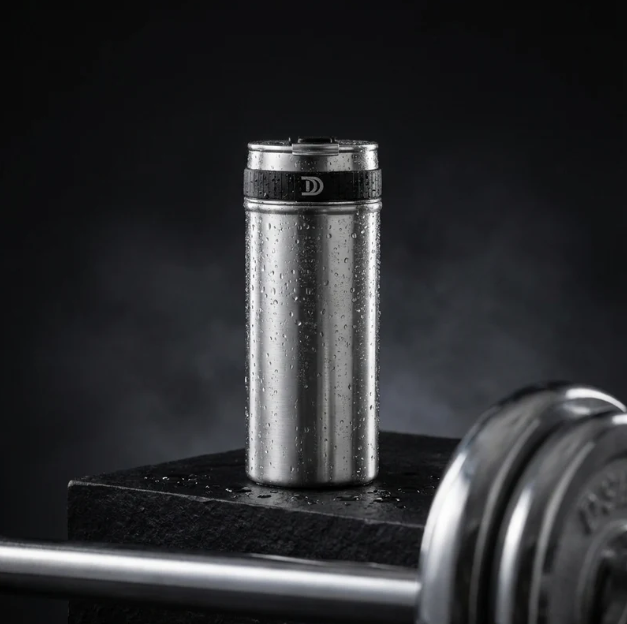
Devoted is the shaker I desperately wish I could order in the United States. The brand says The Steel Shaker contains only 304 stainless steel and its PureSeal food-grade silicone, with no plastic lid, cap, lining, or drinking surface.
I have not personally tested this one because Devoted currently does not ship to the United States. It ships to Australia, New Zealand, Canada, and most of Europe, making it my top plastic-free recommendation for readers in those regions.
Pros:
- It is 100% plastic-free
- Stainless steel lid, body, and drinking surfaces
- Food-grade silicone seal
- 25-ounce capacity
- Free from BPA, BPS, BPF, and phthalates
Cons:
- Does not currently ship to the United States
- Not double-wall insulated
- Handwashing is recommended
- Best suited to cold or room-temperature drinks
Use coupon code LILYHART to save 10%.
 Ice Shaker Stainless Steel Shaker Bottle
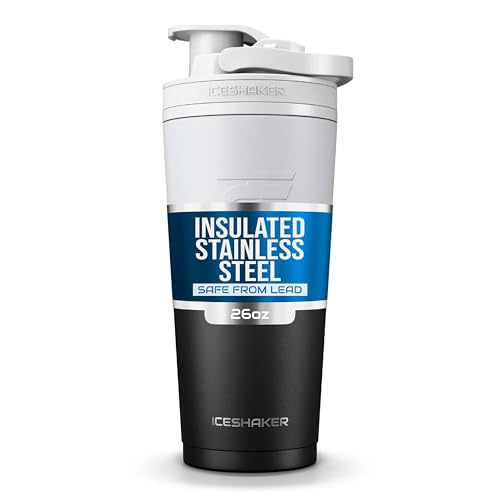
The Ice Shaker has a stainless steel interior that does not soak up the smell of yesterday’s protein shake. I accidentally gave mine the ultimate test by leaving whey and milk inside for two days, and it washed clean without a lingering odor.
Its removable twist-on agitator is plastic, so I take that piece out and use a stainless whisk ball instead. Ice Shaker lists the bottle as BPA-, BPS-, BPF-, PVC-, and DEHP-free, and says its double-wall insulation keeps drinks cold for more than 30 hours.
Pros:
- Stainless interior resists odors and stains
- Keeps drinks cold for 30-plus hours
- Leakproof twist-on lid
- Wide carrying handle
- BPA-, BPS-, BPF-, PVC-, and DEHP-free
Cons:
- Lid and included agitator are plastic
- Heavier than an uninsulated shaker
- Costs more than a basic plastic bottle
 BrüMate MultiShaker Blender Shaker Bottle
The BrüMate MultiShaker feels like the luxury version of a gym bottle. Its insulated stainless steel body keeps drinks cold for hours, while the removable agitator blends powders without the usual wire whisk rattling around.
The agitator and lid are plastic, so I remove the agitator and use a stainless whisk ball. BrüMate states that its lids and gaskets are free from BPA, BPS, and BPF, which gives it an edge over brands that only make a BPA-free claim.
Pros:
- Excellent insulation
- Premium finish and sturdy construction
- Removable agitator
- Lid and gaskets are BPA-, BPS-, and BPF-free
- Doubles as an insulated water bottle
Cons:
- Plastic lid and agitator
 BlenderBottle Strada Sleek Shaker Cup
Ditching plastic does not mean giving up the classic BlenderBottle. The Strada Sleek pairs a double-wall stainless steel body with the familiar wire whisk, a rounded base, and a lockable flip cap that helps prevent surprise protein floods inside your gym bag.
The lid is plastic, but BlenderBottle states that all of its products, including lids, are free from BPA, BPS, and phthalates and undergo third-party material testing.
Pros:
- Familiar BlenderBottle design
- Insulated stainless steel body
- Lockable flip cap
- Rounded base improves mixing
- BPA-, BPS-, and phthalate-free
Cons:
- Plastic lid and spout
- Bottle should be hand washed
- More expensive than the plastic BlenderBottle
✅ Low-Tox Shaker Bottles (better than plastic but not perfect)
These shaker bottles are still a big improvement on plastic. Although they have stainless steel bodies, their lids are made of plastic. The big difference between the low-tox options below and the best shaker bottles above is that the low-tox shaker bottles do not carry BPS-free brand statements.
 Masontops Multi Top
This is my little shaker-bottle cheat code. Add one of these lids and a stainless whisk ball to a wide-mouth mason jar, and you have an inexpensive glass shaker that is easy to fill, easy to scrub, and probably already sitting in your cabinet.
The jar keeps your shake against glass, but the sip-and-pour lid is still plastic. Masontops states that it is BPA- and phthalate-free and uses a silicone gasket, though the brand does not make a BPS-free claim.
Pros:
- Turns existing glass jars into shaker bottles
- Wide mouth is easy to fill and clean
- BPA- and phthalate-free lid
- Dishwasher safe
- Affordable two-lid set
Cons:
- Plastic lid
- BPS-free status is not disclosed
- Stainless whisk ball must be purchased separately
- Glass can break if dropped
- Not intended for boiling liquids
 TOOFEEL Stainless Steel Shaker Bottle
The TOOFEEL keeps your shake inside a stainless steel cup instead of letting it sit against plastic. It comes with a quiet silicone mixing ball, which is ideal when you need protein without waking a toddler or announcing your shake to the entire office.
Its twist-on lid is BPA-free plastic with a silicone seal, so it belongs in the lower-plastic category rather than the fully plastic-free one. The smaller 20-ounce size works best for standard shakes without a mountain of ice and add-ins.
Pros:
- Stainless steel insulated cup
- Quiet silicone mixing ball
- Resists odors and stains
- Leakproof twist-on lid
- Interior measurement markings
Cons:
- Plastic lid and spout
- BPS-free status is not disclosed
- Smaller 20-ounce capacity
 OXIRZE Shaker Bottle
The Oxirze skips the loose whisk ball entirely. Its contoured interior creates a mixing vortex when you shake, which means no metal ball rolling around the dishwasher like it is actively trying to escape.
The bottle uses a 316 stainless steel interior, 304 stainless exterior, double-wall vacuum insulation, and a copper insulation layer. The lid is BPA-free plastic, but Oxirze does not appear to disclose whether it is BPS-free.
Pros:
- No loose whisk or agitator
- Quiet, clump-free mixing
- 316 stainless steel interior
- Copper-enhanced insulation
- 26-ounce capacity
Cons:
- Plastic lid
- BPS-free status is not disclosed
- Built-in mixing design may require extra attention when cleaning
 Simple Modern Protein Shaker Bottle
The Rally is a cute, uncomplicated stainless shaker from a familiar drinkware brand. Its 24-ounce double-wall stainless steel cup keeps drinks cold, and the included stainless mixing ball handles protein, greens, and pre-workout without adding another plastic part.
The lid is BPA-free plastic, so it is not fully plastic-free. Simple Modern clearly discloses its materials and care instructions, which I appreciate more than vague “non-toxic” marketing with no details behind it.
Pros:
- Double-wall stainless steel cup
- Stainless steel shaker ball
- Clear material disclosure
- Comfortable 24-ounce size
- Plenty of attractive color options
Cons:
- Plastic lid
- BPS-free status is not disclosed
- Stainless cup is hand wash only
 HydroJug Insulated Protein Shaker Bottle
HydroJug replaces the loose wire ball with a fixed silent mixing grate, so you can blend protein or pre-workout without sounding like someone dumped silverware into a dryer. The 24-ounce stainless steel bottle is vacuum insulated and uses a leakproof flip-top lid.
The product is marketed as BPA-free, but I could not verify a BPS-free statement or a clear material disclosure for the mixing grate itself.
Pros:
- Vacuum-insulated stainless steel body
- Silent fixed mixing grate
- No loose whisk ball to wash or lose
- Leakproof flip-top lid
- Cupholder-friendly size
Cons:
- Plastic lid components
- BPS-free status is not disclosed
- Mixing grate material is not clearly identified
 STANLEY Vitalize Shaker Bottle
Stanley finally made a shaker for anyone who wants their protein bottle to match their emotional-support Quencher. The Vitalize has an 18/8 recycled stainless steel body, double-wall insulation, a removable strainer, stamped measurements, and a genuinely useful 3-ounce container underneath for dry powder.
The leakproof lid and storage container are both Tritan plastic, so it is not the lowest-plastic option here. Still, it is a polished, practical upgrade from an entirely plastic shaker and one of the most convenient designs for carrying powder separately.
Pros:
- 18/8 recycled stainless steel body
- Double-wall vacuum insulation
- Built-in 3-ounce powder container
- Removable mixing strainer
- Leakproof, dishwasher-safe design
- Comfortable handle and fast-flow spout
Cons:
- Tritan plastic lid
- Tritan plastic storage container
- BPS-free status is not disclosed
- Heavier than simpler shakers
❌ Classic Plastic Shakers – AVOID
Lastly, I want to mention the classic plastic shakers as a cautionary tale. This is the ubiquitous plastic shaker cup that many of us have used, typically made of BPA-free polypropylene or Eastman Tritan plastic, with a stainless steel whisk ball. While it may be marketed as BPA-free and “safe”, it embodies all the drawbacks of plastic we’ve discussed.
In short, old school plastic shaker bottles are hard NOs in my book. Yes, they’re cheap (often $10 or less) and yes, they’re everywhere. But saving a few bucks isn’t worth the possible hormone-disrupting chemical exposure or the nasty smell and taste that often develops.
If you have one of these at home, I suggest upgrading to one of the safer options above. The convenience of plastic isn’t worth the risk. We list this here not to shame anyone (we all probably started with these!), but to make it clear why the non-toxic shaker bottles we recommend are a better choice in the long run. Skip the plastic shaker cup and invest in a healthier alternative. If you go to the gym every day, it’s one of the easiest swaps for a cleaner lifestyle.
(Note: This “Avoid 🚫” applies to any generic all-plastic shaker cup. The advice extends to GNC freebies, promo shakers that come with protein powder, etc. If it’s all plastic, give it a pass.)
Non-Toxic Shaker Bottle Hacks
Switching to a non-toxic shaker bottle is step one – step two is using and caring for it wisely. Here are some pro tips and hacks I’ve picked up to keep your shaker game clean, safe, and convenient:
Swap in a Stainless Whisk Ball:
If your shaker has a plastic mixing ball or agitator, you can often replace it with a stainless steel whisk ball (these are sold separately or taken from another bottle). For example, I use a metal BlenderBottle whisk in my Ice Shaker to eliminate even the brief plastic contact. A steel ball works in most shakers and ensures only metal touches your drink. Bonus: It can improve mixing in bottles that didn’t come with a ball.
Pre-cool or Pre-warm Your Bottle:
For insulated shakers, a quick hack to maximize temperature retention is to prep the bottle with a little ice water or hot water first. Before mixing your shake, let cold water sit in it for a minute (then dump) if you’re adding a cold drink, or swirl hot water if you’re making a hot beverage. This “primes” the double walls.
Rinse Immediately After Use:
The simplest hack with any shaker – don’t let it sit dirty. As soon as you finish your shake, rinse the bottle with water (or do a quick soapy rinse). This prevents protein residue from drying and stinking up. Remember, even stainless or glass can get funky if you leave milk-based shakes in them for days.
Deep Clean with Baking Soda or Vinegar:
If you ever do catch a whiff of odor in your shaker (hey, accidents happen), a natural deodorizer trick works wonders. Fill your shaker with warm water, a spoonful of baking soda, or a splash of vinegar. Let it sit overnight with the cap open. This will neutralize smells and loosen any gunk.
Store With Lid Off:
After washing, let your shaker dry with the lid off. This prevents any moisture from getting trapped and turning musty. It also airs it out – even though our non-toxic materials don’t hold smells, a fully dry bottle is always best. If you ever forget to wash it for a day (it happens), at least pop the cap open so it’s not a sealed bacteria incubator.
Use it for More Than Shakes:
Non-toxic shakers can double as excellent water bottles or smoothie cups. The glass shaker can be a fancy iced coffee cup. Using them regularly for various drinks ensures they’re in rotation and not sitting in a cupboard growing stale. Plus, it’s cost-effective – one bottle, many uses.
Some frequently asked questions About Non-Toxic Shaker Bottles
Non-Toxic Shaker Bottles = Cleaner Gains
Making the switch to non-toxic shaker bottles for our family has been a small change with huge benefits. Our protein shakes taste cleaner (no faint plastic tang), my kitchen doesn’t smell like an old shake anymore, and I have peace of mind knowing my family isn’t unwittingly ingesting hormone-disrupting chemicals every day.
It’s really about aligning your fitness routine with your health values: you work hard to build muscle and eat clean, so why undermine that with toxins leaching from an old bottle?
So next time you’re gearing up for a workout or mixing a recovery shake, grab a shaker that’s built for healthy gains. Ditching plastic is a one-time upgrade that pays off every day in safer sips and a greener lifestyle. Trust me, once you experience a shake with no funky aftertaste or odor, you’ll never want to go back.
You may also find these Posts helpful
detox your fitness routine

References
- National Institute of Environmental Health Sciences (NIEHS) – Insight into endocrine disruptor bisphenol A. Almost all Americans have BPA in their urine; BPA is an endocrine disruptor that can alter hormone activity.
- Harvard T.H. Chan School of Public Health – Plastics: Danger where we least expect it (2009). BPA is a synthetic estrogen linked to reproductive issues, and phthalates are also endocrine disruptors interfering with hormones.
- Rochester, J.R. (2015). Bisphenol S and F: A Systematic Review and Comparison of the Hormonal Activity of BPA Substitutes. Environmental Health Perspectives, 123(7), 643–650. Concludes BPS and BPF are as hormonally active as BPA, with endocrine-disrupting effects.
- Weber, R. (2018). Synthetic Polymer Contamination in Bottled Water. Frontiers in Chemistry. Study found 93% of bottled water samples contained microplastic contamination.
- Stanford Medicine – Microplastics and our health: What the science says (2025). Scientists estimate adults ingest about a credit card’s worth of microplastics each week; animal studies link microplastic exposure to inflammation and other health issues.
- WebMD – Is It Safe to Reuse Plastic Water Bottles?. Advises that plastic bottles can harbor harmful bacteria, and recommends not to heat or repeatedly reuse single-use plastic bottles. Bacterial growth in bottles is a bigger concern than chemical leaching if not cleaned properly.
- UNH Extension – What’s Living In Your Water Bottle? (2025). Reusable bottles can grow bacteria in moist, scratched areas; recommends daily cleaning. Notes that scratches in plastic or metal bottles can harbor bacteria biofilms and make cleaning harder.
- Nickel Institute – Safe Food Preparation Using Stainless Steel (Technical brief). Stainless steel is an inert, stable alloy; it releases only vanishingly small amounts of metals in contact with food, well below health concern levels. Therefore, food-grade stainless steel is considered completely safe for drink and food use.
- The Environmental Blog – Is Silicone Toxic or Safe? (2025). Cites FDA and European Food Safety Authority: food-grade silicone is inert and does not react with food or liquids, and it contains no BPA or phthalates. High-quality silicone is thus a safer alternative to plastic for kitchenware.
- Edge Davao – The hazards of single-use plastics (2022). Summarizes research: plastic water bottles can leach chemicals when heated or as they age, and after dishwashing, over 3,500 compounds were detected leaching into water. Also notes BPA exposure is linked to fertility, brain development, cancer, and heart issues, and highlights Harvard research that phthalates (like BPA) are endocrine disruptors.